How to Buy Land on a Lake: Your Complete Lakeside Property Guide
Buying land on a lake means securing a unique piece of nature that offers peaceful views, recreational activities, and potential for future value growth. To buy lakefront land, prioritize assessing the property’s access to water, legal rights, zoning restrictions, and environmental factors before making any offers.
Lakefront properties tend to come with specific challenges and regulations, such as shoreline protection laws and limited building permits. Being aware of these factors shapes your expectations and investment decisions, making the process smoother and protecting your interests.
This guide covers the critical steps to buying lakefront property, including evaluating location, understanding legal considerations, inspecting environmental features, navigating financing options, and choosing the right property to meet your lifestyle or investment goals.
Selecting the Ideal Lakefront Land Location
Understanding Lake Types and Shorelines
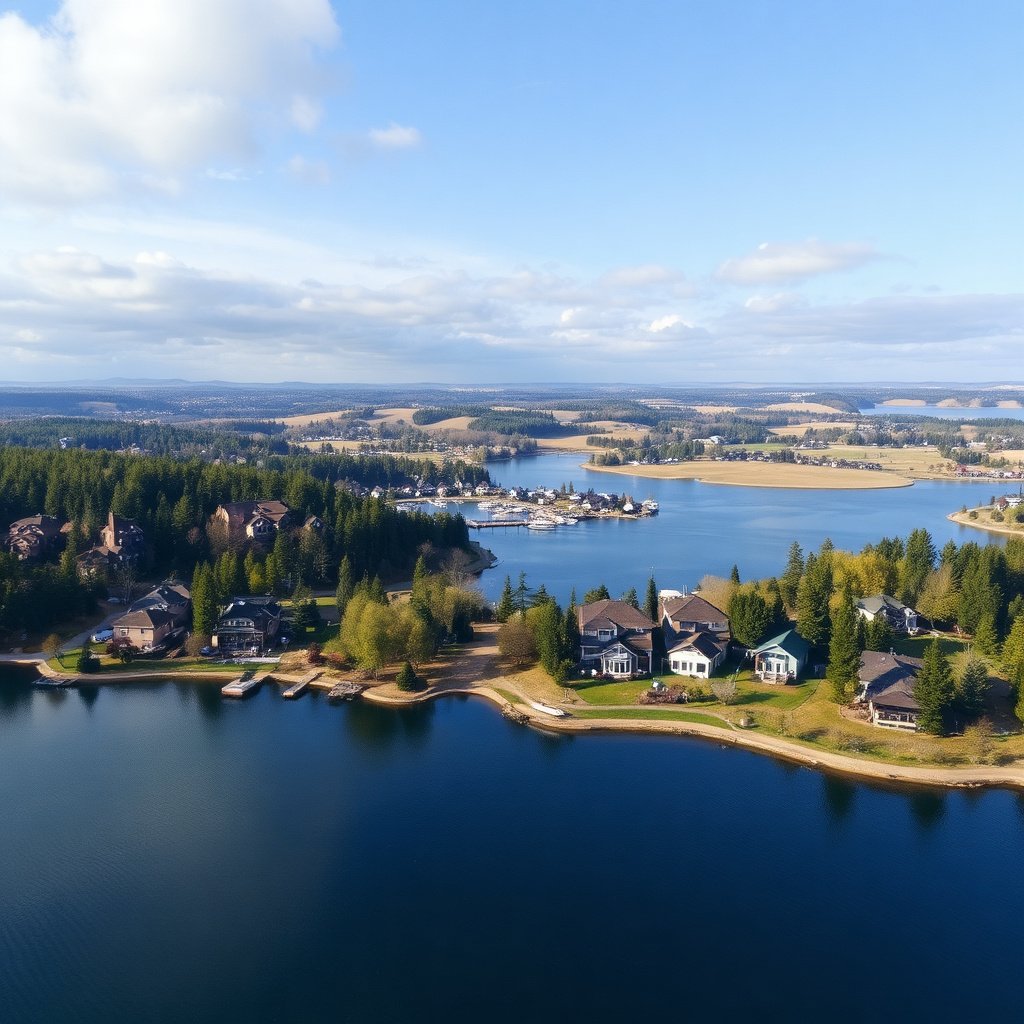
Lakes vary greatly in size, water quality, and shoreline type, all impacting the usability and enjoyment of your land. Glacial lakes often offer clear water and natural beauty, while reservoir lakes might have fluctuating water levels. Familiarize yourself with the lake’s origin and shoreline characteristics like sandy, rocky, or marshy banks.
The type of shoreline determines access for swimming, boating, or fishing and affects maintenance needs. A sandy shore might be perfect for family recreation, whereas a rocky or heavily vegetated shoreline may require extra care or limit certain activities.
- Glacial, reservoir, or natural lake
- Shoreline types: sandy, rocky, forested, marshy
- Water level stability and seasonal changes
Reviewing Local Amenities and Infrastructure
Consider proximity to towns, roads, utilities, and emergency services. Remote lakefront properties provide solitude but may lack easy access to electricity, water, or paved roads. Evaluate how nearby amenities align with your lifestyle or future plans for the property.
Also research local services like septic installation, waste management, and internet availability, which can significantly impact your long-term enjoyment and the feasibility of building on the land.
- Distance to nearest town or city
- Availability of utilities: electricity, water, septic
- Road access and condition
Legal and Ownership Considerations for Lakefront Property

Verifying Water Rights and Access
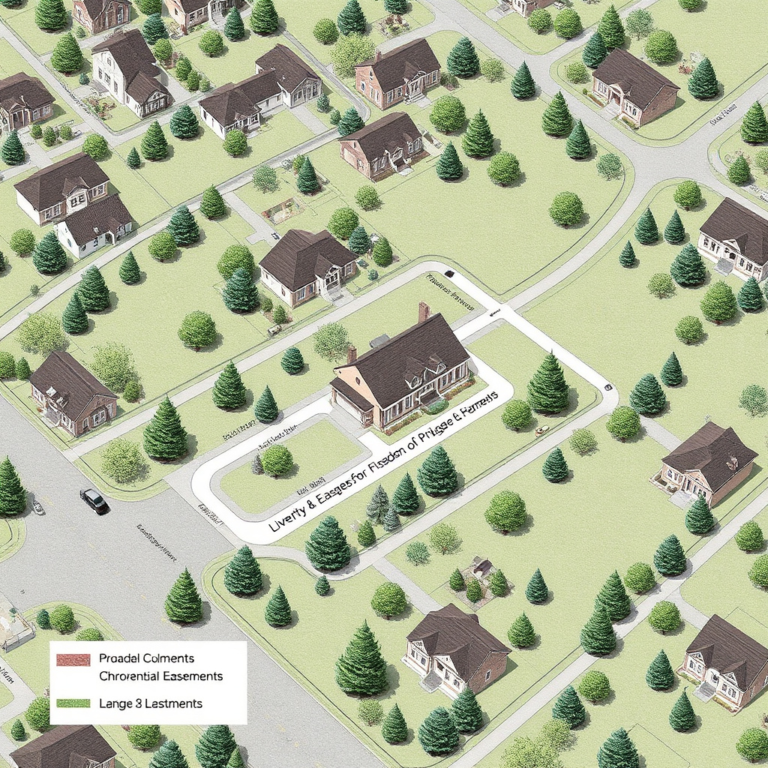
Owning land on a lake doesn’t always guarantee unrestricted water access. Research riparian rights, which define your legal entitlements to use the shoreline, dock placement, and water activities. Some properties may share access with neighbors or have easements limiting usage.
Local or state laws may impose restrictions on constructing docks, boathouses, or altering shorelines. Confirm these regulations early to avoid disputes or expensive modifications after purchase.
- Riparian or littoral rights explanation
- Common easements and shared access scenarios
- Relevant water use and construction permits
Understanding Zoning, Building Codes, and Environmental Restrictions
Zoning laws control how you can build or modify your lakefront land and vary by county or municipality. Some zones restrict building size, usage types (residential, recreational), or require setbacks from the water’s edge to protect ecosystems.
Environmental regulations often limit tree cutting, shoreline disturbance, and require conservation measures to preserve fragile lake habitats. Research local planning offices and obtain all necessary permits before making a purchase offer.
- Allowed building types and sizes
- Setback and shoreline protection requirements
- Environmental conservation rules
Inspecting and Evaluating the Lakefront Property

Assessing Soil, Drainage, and Flood Risk
Proper soil composition and drainage are critical for construction stability and septic system placement. Land with sandy or rocky soil generally drains well, whereas clay-heavy soil may cause water retention problems.
Check flood history and elevation relative to the lake. Some lakes have floodplain areas prone to seasonal or heavy rain flooding, which could affect insurance rates and building limitations.
- Soil test for composition and bearing capacity
- Drainage patterns and water runoff
- Flood history and elevation assessments
For more on this, see our related guide: What Is the Best Month to Buy a House? Timing Your Home Purchase Right.
Evaluating Vegetation and Privacy
Dense trees and natural vegetation provide privacy, wind protection, and aesthetic appeal but might require clearing for building or creating access. Assess the type and maturity of trees and plants for maintenance plans.
If privacy is a priority, consider how future development of adjacent properties might impact your view or seclusion.
- Tree types and density
- Potential land clearing needs
- Privacy considerations and neighboring land use
Financing and Costs of Buying Lakefront Land

Understanding Land Purchase Financing Options
Buying lakefront land typically requires different financing than a home mortgage. Many lenders consider raw land loans riskier and may require a larger down payment, higher interest rate, or shorter terms.
Alternative financing options include owner financing, personal loans, or leveraging home equity. Getting pre-approved and comparing loan packages helps secure the best conditions for this type of purchase.
- Conventional land loans
- Owner or seller financing
- Home equity loans or lines of credit
Budgeting for Additional Expenses
Besides the purchase price, prepare for costs related to surveys, inspections, legal fees, property taxes, and permits. Site preparation and utility hookups can be expensive and vary widely depending on location and development goals.
Insurance premiums may also rise for lakefront properties due to flood risks or other environmental factors. Clarify all ongoing costs before finalizing your budget.
- Survey and title search fees
- Site development and utility installation
- Property taxes and insurance costs
Making the Final Decision and Closing Process

Negotiating Offers and Contingencies
Negotiations for lakefront land can include contingencies such as environmental assessments, seller disclosures, or approval of financing. Clearly define these terms in your offer to protect your investment.
Understand current market trends in lakefront properties to gauge if the asking price is reasonable, influencing your negotiation strategy and timing.
- Including inspections and surveys as contingencies
- Requesting seller disclosures about the property
- Considering recent lakefront sales for pricing
For more on this, see our related guide: Why Are Lake Houses So Expensive? Understanding the High Costs of Waterfront Living.
Ensuring Proper Closing and Transfer of Ownership
Closing involves thorough review of title documentation, clear recording of property boundaries, and legal transfer of ownership. Work with a real estate attorney or title company specializing in lakefront properties to avoid issues.
Confirm that all permits, liens, or restrictions are disclosed and settled before finalizing the sale to prevent ownership disputes or unexpected costs.
- Title search and title insurance
- Boundary surveys and documentation
- Verification of permits and easements
Considerations for Building and Enjoying Your Lakefront Land
Planning Construction with Lakefront Property Regulations
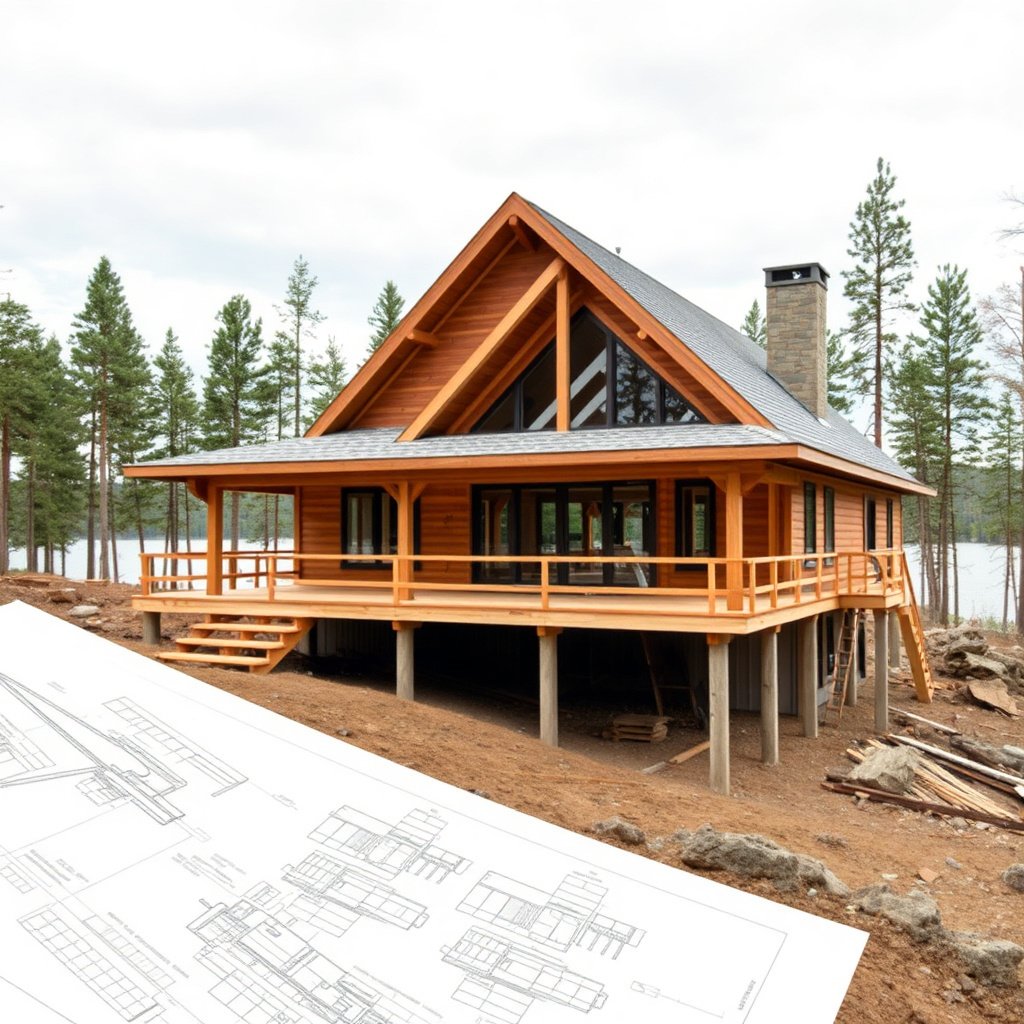
Building on lakefront land involves navigating setbacks from the waterline, limitations on building size, and environmental safeguards. Engage with local planning departments early to design compliant structures.
Utilize eco-friendly techniques to minimize impact on water quality and wildlife, such as permeable surfaces and native landscaping.
- Adhering to setback requirements
- Using sustainable building materials
- Obtaining proper building permits
For more detailed background on lakefront property types and rights, consult this lakefront property information on Wikipedia. lakefront property information on Wikipedia.
Maximizing Use and Enjoyment of the Lakefront Land
Create docks, boathouses, or recreational spaces to fully experience lake access while respecting regulations. Landscaping can improve privacy and the natural aesthetic, enhancing your property’s value and enjoyment.
Consider long-term maintenance plans for shoreline erosion control and invasive species management to preserve the lake’s health.
- Building docks and recreational facilities
- Landscaping for privacy and aesthetics
- Ongoing shoreline and environmental care
Lakefront Land Types and Features Comparison
This table compares common lakefront land categories to help you weigh benefits and limitations based on your priorities.
| Category | Shoreline Type | Access & Privacy | Development Restrictions | Cost Range |
|---|---|---|---|---|
| Sandy Beachfront | Sandy | High – direct water access, family-friendly | Moderate – building setbacks common | $150K – $800K |
| Rocky Shoreline | Rocky | Moderate – some access challenges | Lower – often rugged terrain | $100K – $600K |
| Wooded Lakefront | Forested | High privacy, limited clear access | High – conservation rules apply | $120K – $700K |
| Marshy Shoreline | Marshy | Low – restricted water entry | Very high – sensitive environment | $80K – $400K |
| Reservoir Shoreline | Variable water levels | Variable – access may fluctuate | Variable – specific local rules | $90K – $500K |
Frequently Asked Questions
Do I automatically get to build a dock if I buy lakefront land?
Not necessarily. Dock construction often requires permits and must comply with local shoreline regulations. Confirm water rights and check with local authorities before planning a dock.
What does riparian rights mean for lakefront property owners?
Riparian rights refer to the legal rights to access and use the water adjoining your land, including activities like boating and fishing. These rights vary by location and may come with limitations.
Are lakefront properties more expensive to insure?
Yes, insurance costs are usually higher due to flood risks and environmental exposure. Flood insurance is often required in addition to standard property insurance.
Can I use my lakefront land year-round for recreation?
Generally yes, but some lakes have seasonal restrictions or environmental regulations limiting certain activities. Check local rules to confirm permitted uses throughout the year.
How can I confirm the exact boundaries of lakefront land before purchase?
A professional land survey is essential. It identifies legal boundaries, easements, and helps prevent disputes with neighbors or authorities.
Key Takeaways
- Check water access rights and shoreline regulations before buying lakefront land.
- Understand local zoning and environmental restrictions that affect building.
- Evaluate soil, flood risks, and terrain for construction suitability.
- Plan financially for all costs including financing, permits, and maintenance.
Conclusion
Buying land on a lake involves more than locating beautiful waterfront property; it requires thorough research into legal rights, zoning, and environmental concerns to protect your investment. Evaluating the exact location, shoreline type, soil condition, and privacy factors ensures that the land matches your intended use and lifestyle. By understanding the unique financial and logistical aspects of lakefront property acquisition, prospective buyers can approach the purchase with clarity and confidence.
If you seek a family-friendly spot with easy water access, sandy beachfront lots may be ideal, whereas wooded lakefront parcels provide greater privacy but involve more complex building requirements. Those prioritizing affordability might consider reservoir or marshy shoreline properties, but they often come with environmental constraints. Securing pre-approval for land loans and budgeting for additional expenses like permits and site development is critical at this stage.
Start by prioritizing what matters most to you—be it privacy, ease of access, or investment potential—and then work with specialists like real estate agents familiar with lakefront properties and local authorities. Obtaining a professional survey and confirming water rights early in the process will prevent unexpected hurdles. Once the right parcel is found and the purchase is complete, you can enjoy the countless benefits of lakeside living or recreational use for years to come.