Why Are Lake Houses So Expensive? Understanding the High Costs of Waterfront Living
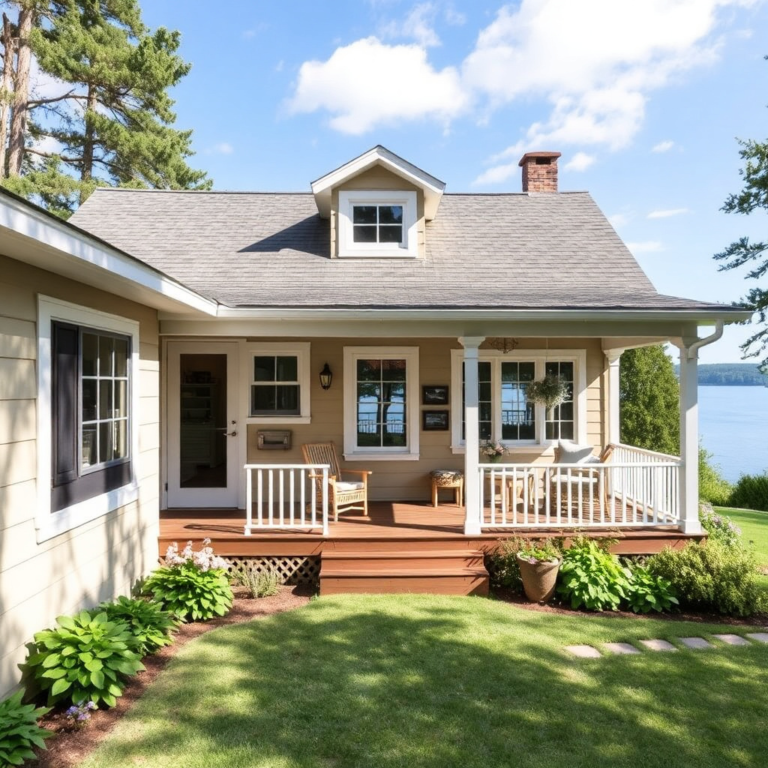
Lake houses are expensive because of their coveted waterfront locations, limited availability, and the premium lifestyle they offer. Proximity to water dramatically increases property values due to recreational opportunities, stunning views, and the exclusivity of these homes.
Many buyers are willing to pay a premium for the tranquility and recreational benefits that lake houses provide, such as boating, fishing, swimming, and panoramic scenery. These factors combine with limited supply as not every property can front a lake, increasing demand and pushing prices higher.
This article will explain the key reasons behind lake houses’ high costs, including location desirability, scarcity, maintenance expenses, and market trends. We'll also explore how these factors compare with other property types, helping you understand the complete financial picture of lakefront living.
Location and Scarcity: The Main Drivers of Lake House Prices
Why Waterfront Location Adds Value
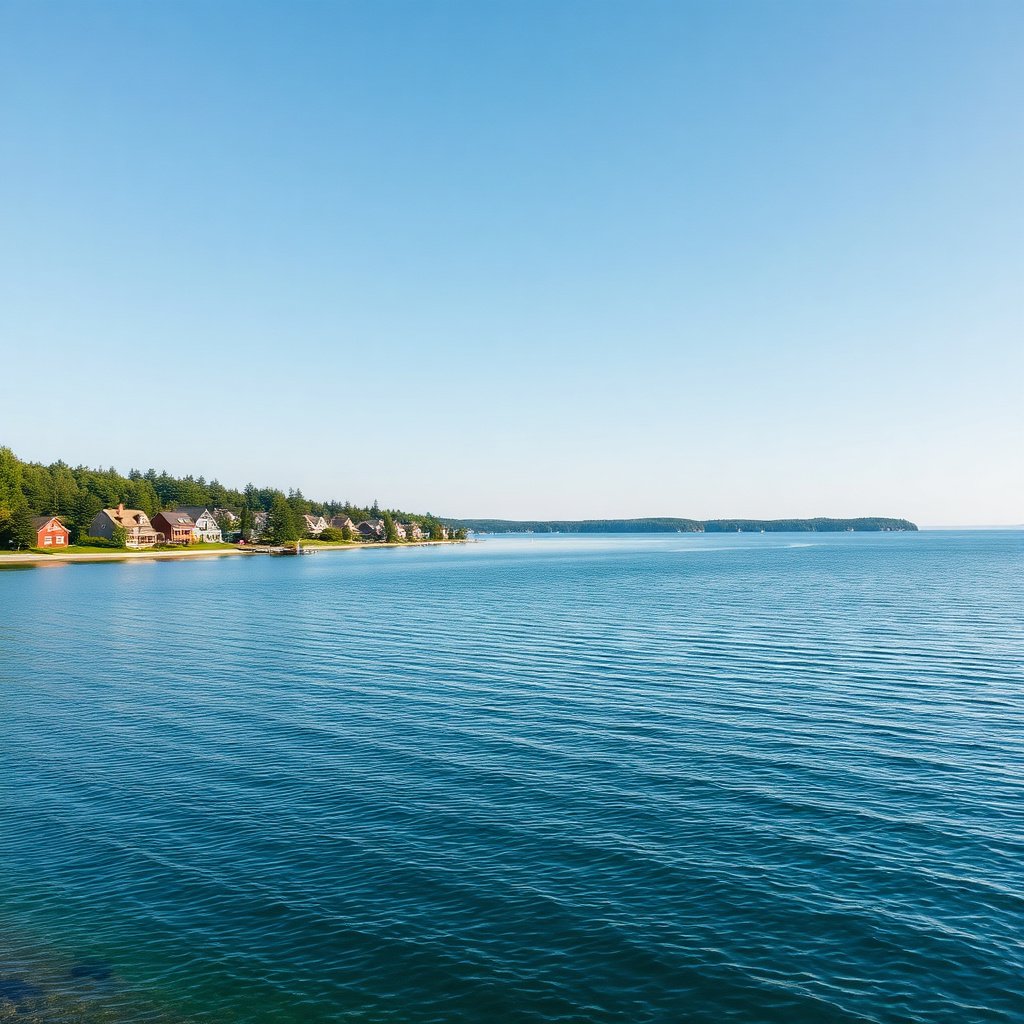
Properties on the edge of lakes are uniquely desirable because they offer direct water access and scenic views that are hard to replicate. This natural appeal significantly inflates the property's market value compared to inland homes.
Waterfront lots represent a finite resource; only so many homes can actually touch the shore, making them extraordinarily rare. Buyers recognize this scarcity and often compete aggressively, driving prices up well beyond standard housing markets.
- Exclusive access to the lake
- Unobstructed views of water
- Desirable recreational amenities
Limited Supply Increases Demand
Unlike most real estate markets, the number of lakefront properties does not expand easily because new lakeside developments are often restricted by zoning laws and environmental regulations.
This limited supply means that demand from buyers who want a peaceful retreat or a summer vacation home pushes prices significantly higher, especially in popular tourism areas or regions with desirable climates.
- Environmental restrictions limit new builds
- High demand from vacation home buyers
Maintenance and Upkeep Costs for Lake House Owners
Unique Maintenance Challenges
Lake houses face constant exposure to moisture, which can accelerate wear and tear on building materials. Owners often incur higher costs to combat issues like mold, wood rot, and corrosion, especially compared to standard homes.
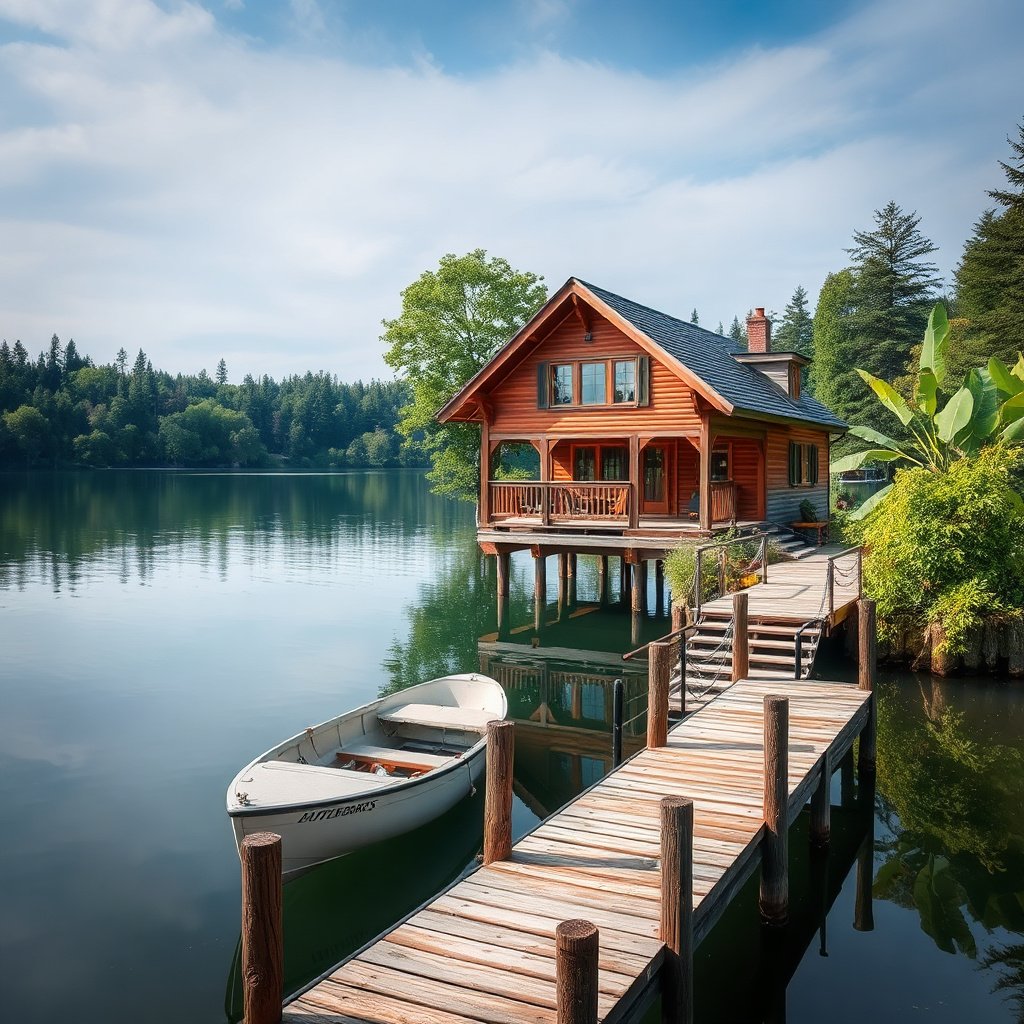
Additional expenses include regular upkeep of docks, seawalls, and landscaping to prevent erosion. These ongoing maintenance needs contribute to the overall higher cost of owning a lake house.
- Frequent repairs from water damage
- Dock and seawall maintenance
- Landscaping to manage shoreline erosion
Insurance and Property Taxes
Homes near water typically have higher insurance premiums because of increased flood and storm risks. Specialized policies with higher deductibles and coverage limits can add significantly to yearly expenses.
Property taxes for lake houses can be elevated due to their assessed higher market values. These combined financial factors raise the total investment required just to maintain lakefront ownership.
- Flood and storm insurance premiums
- Higher property tax assessments
The Impact of Lifestyle and Amenities on Lake House Pricing
Lifestyle Appeal of Waterfront Living
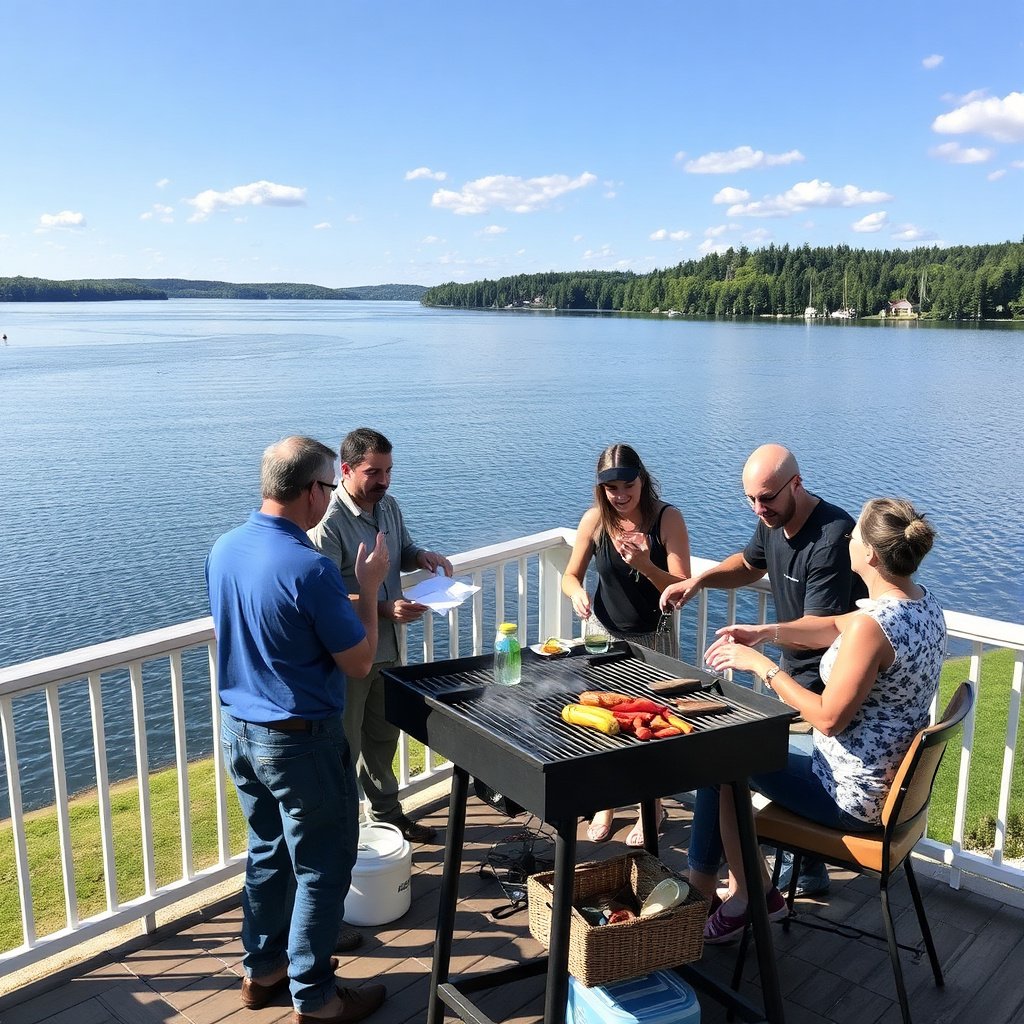
Lake houses offer a lifestyle filled with outdoor recreation, tranquility, and natural beauty, which many people value highly. This intangible benefit justifies paying more for the property itself.
Owners enjoy activities like kayaking, fishing, and relaxing by the water year-round. The promise of a peaceful retreat from urban life often leads buyers to prioritize lakeside homes in their property choices.
- Access to water sports and nature
- Peaceful, quiet environment
- High community and social value
For more on this, see our related guide: Do Lake Houses Appreciate in Value? Understanding Lake House Investment Potential.
Additional Amenities That Boost Price
Many lakehouses come equipped with luxury features like private docks, boathouses, outdoor kitchens, and expansive decks tailored for lakefront living. These additions raise the home’s value beyond the base structure.
Modern conveniences combined with rustic charm appeal to buyers looking to invest emotionally as well as financially, often pushing prices beyond what inland properties can demand.
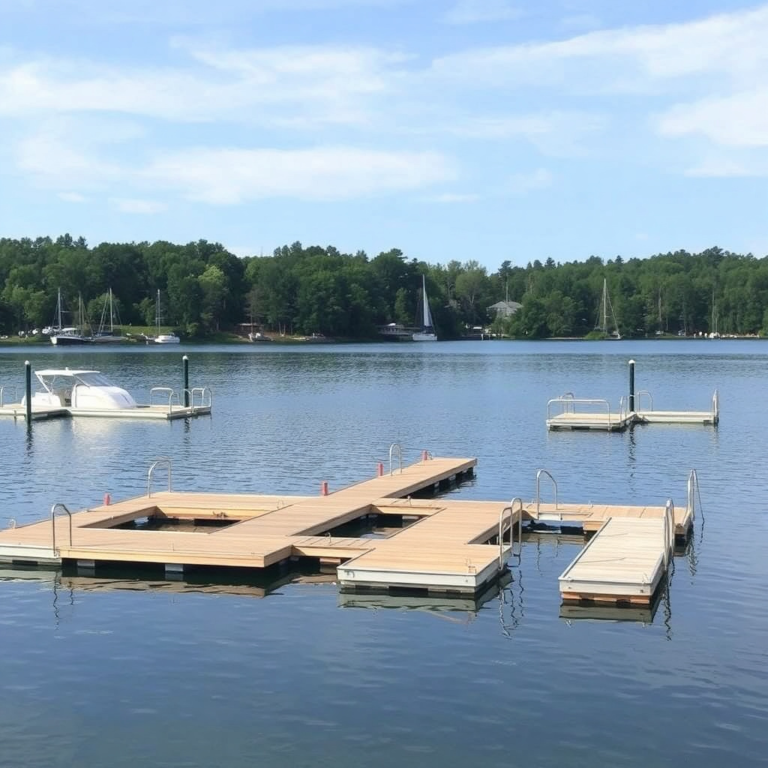
- Private docks and boathouses
- Outdoor entertaining spaces
- Upgraded interiors designed for lake living
Market Trends and Investment Considerations
Rising Demand for Vacation Homes
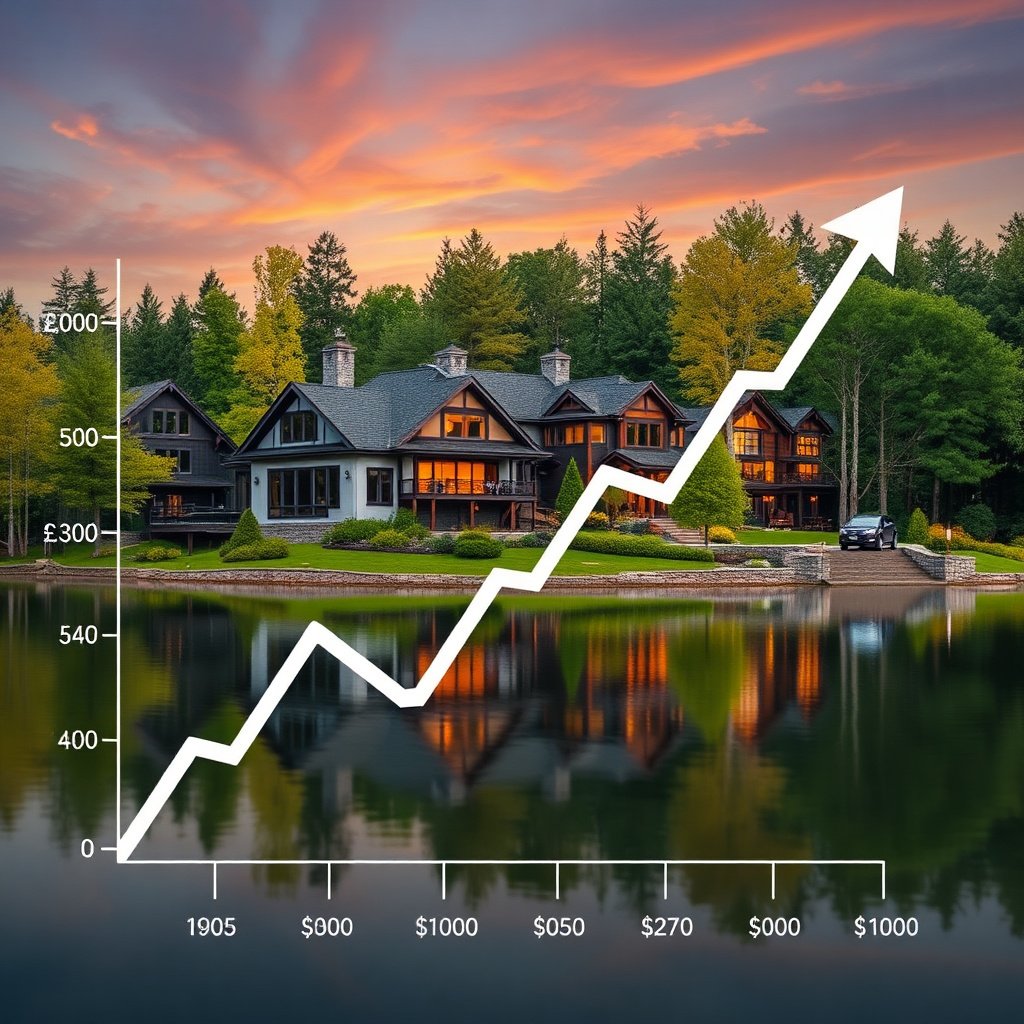
In recent years, the appeal of vacation homes has surged due to remote work flexibility and a desire for second homes. Lake houses specifically have seen growing demand as people seek seasonal or pandemic-safe escapes.
This trend has increased competition and bidding wars, inflating prices well beyond traditional market rates, especially in prime locations.
- Remote work increases vacation home desirability
- Limited lakefront supply fuels competition
Long-Term Investment Potential
Lake houses tend to hold value well over time and often appreciate faster than regular homes due to their unique location advantages and limited supply. This makes them attractive as long-term investments.
However, buyers should weigh factors such as maintenance, insurance, and seasonal demand fluctuations before viewing these properties solely as financial assets.
- Higher appreciation compared to inland homes
- Consideration of variable seasonal occupancy
Comparing Lake Houses with Other Waterfront Property Types
Lake Houses vs. Beach Houses
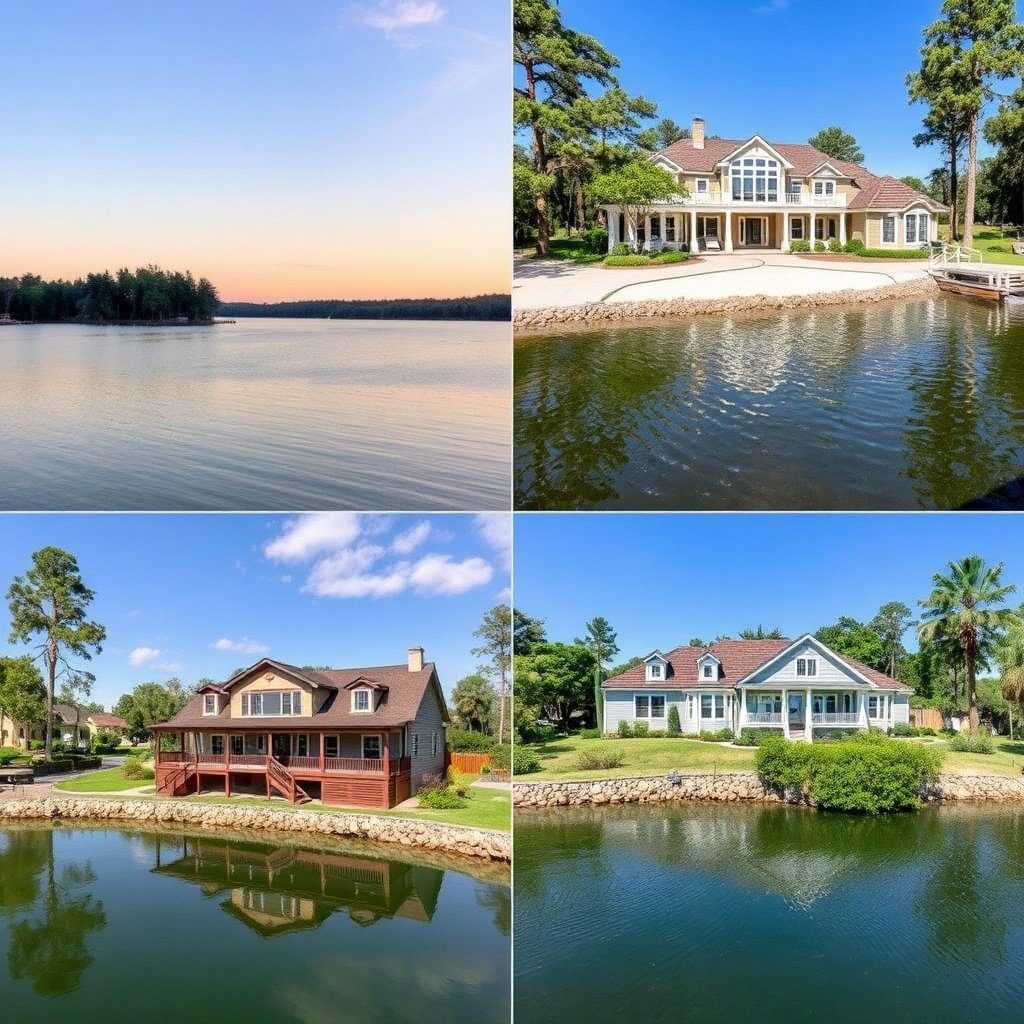
Lake houses often offer freshwater access with calmer waters, making them suitable for various recreational activities but generally have less extreme weather risks compared to oceanfront beach houses.
Beach houses typically come with higher exposure to storms and saltwater corrosion, which increases maintenance costs, but they also often enjoy premium pricing due to ocean views and resorts nearby.
For more on this, see our related guide: How to Choose the Best Lake Community for Your Lifestyle.
Lake Houses vs. Riverfront Properties
Riverfront properties may have faster currents and possibly more noise but often cost less than lake houses depending on the river’s size and location. Lakes generally provide a more stable and scenic water setting.
Each type has different environmental risks, recreational amenities, and market demand that influence pricing and buyer preferences.
What to Expect When Buying a Lake House
Key Factors to Evaluate Before Purchase
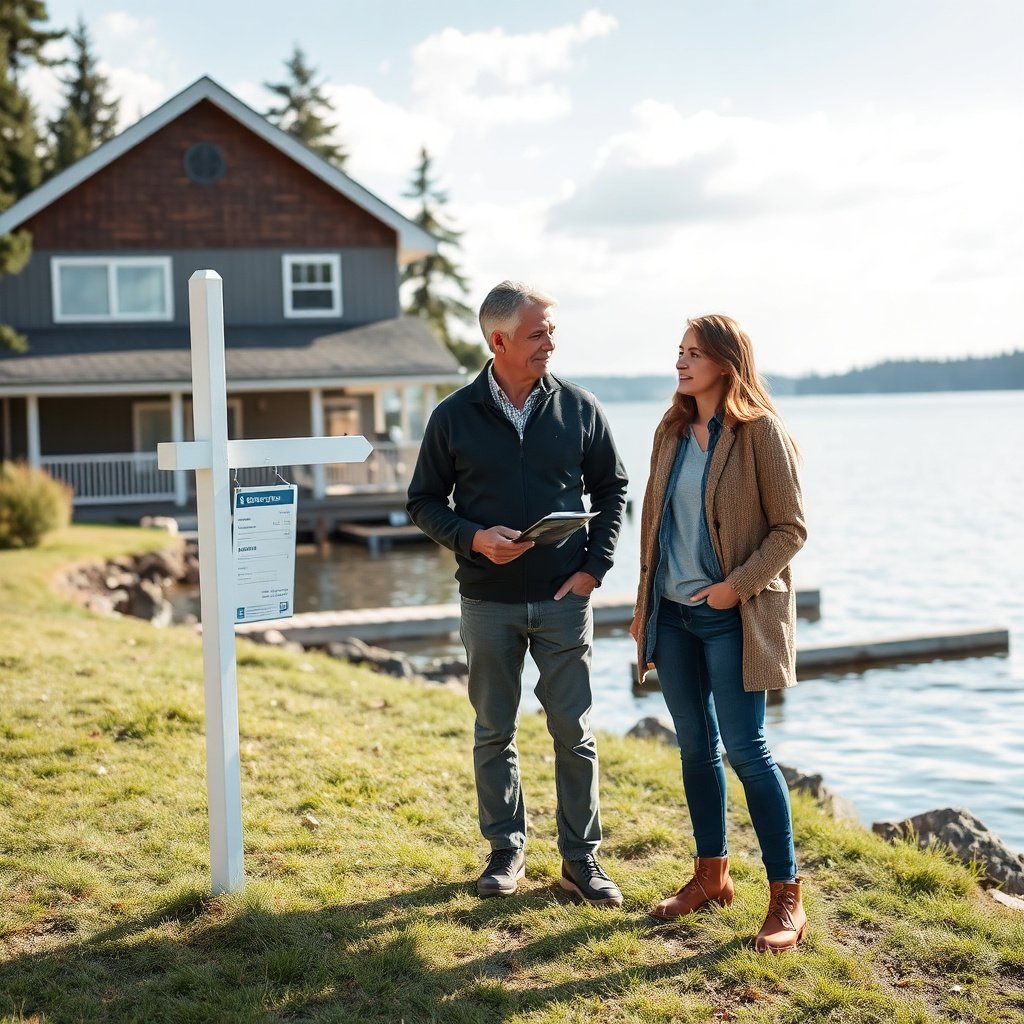
Assess the water quality, shoreline erosion, access rights, and local regulations unique to each lake property. Investigating these helps avoid costly surprises after purchase.
Additionally, check for any homeowner association rules, seasonal accessibility concerns, and community amenities which can impact your long-term satisfaction.
- Water clarity and health
- Shoreline stability
- Ownership and usage rights
To learn more about the factors influencing waterfront property value, consult this detailed resource on lake house pricing explained. Lake house pricing explained.
Financing and Negotiation Tips
Financing lake houses can be more complex due to stricter appraisal standards and higher insured value requirements. Buyers should shop around for specialized lenders who understand waterfront property nuances.
Negotiations may also involve factors like seasonal market trends and repair costs, so working with a real estate agent experienced in lakefront properties is beneficial.
- Look for financing options tailored to waterfront homes
- Use a local agent with lake house experience
Lake Houses vs. Other Waterfront Properties: Price and Features Comparison
Here's a quick overview comparing lake houses with beach houses and riverfront properties to highlight differences in cost and features.
| Property Type | Average Price Range | Maintenance Costs | Recreational Amenities | Environmental Risks |
|---|---|---|---|---|
| Lake House | $400K–$1.5M | Moderate | Boating, fishing, swimming | Low to moderate flood risk |
| Beach House | $600K–$3M+ | High | Surfing, beach access | High hurricane and saltwater exposure |
| Riverfront Property | $300K–$1M | Moderate | Canoeing, fishing | Moderate flood and erosion risk |
Frequently Asked Questions
Why do lake houses have higher insurance costs?
Lake houses face increased risks of flooding and water damage, which causes insurance premiums to be higher than standard homes to cover potential repairs and losses.
Is it more expensive to maintain a lake house than a regular home?
Yes, lake houses typically require more maintenance due to exposure to water, including dock upkeep, erosion control, and addressing moisture-related wear on the structure.
Do lake houses appreciate faster than other homes?
Due to limited supply and strong demand, lake houses often appreciate at a faster rate than inland properties, especially in popular or accessible locations.
Are there special regulations when owning a lake house?
Many lakefront properties are subject to environmental protections and zoning laws that control shoreline usage and construction to preserve the ecosystem.
Can lake houses be a good investment?
They can be a solid investment if you account for maintenance and insurance costs, understand the local market, and value the lifestyle benefits alongside financial returns.
Key Takeaways
- Lake houses command high prices due to exclusive waterfront locations and limited supply.
- Maintenance and insurance costs are significant factors in overall lake house expenses.
- The lifestyle and amenities offered greatly influence lake house valuations.
- Market trends and long-term investment potential make lake houses appealing but require careful evaluation.
Conclusion
Understanding why lake houses are so expensive involves recognizing how rare and desirable waterfront property truly is. The combination of natural beauty, recreational access, and limited availability sets lake houses apart from most traditional homes, pushing prices upward. Buyers must balance these factors against ongoing costs like maintenance and insurance to get a realistic view of the total investment required.
When considering a purchase, those seeking tranquility and outdoor enjoyment may prefer lake houses for their unique lifestyle amenities. However, the price premium means such properties are more suited for buyers with flexible budgets or the intention of a long-term vacation retreat. Comparing lake houses with beach houses and riverfront properties can help clarify which type of waterfront living fits best within individual priorities and financial considerations.
For prospective buyers, working with knowledgeable real estate professionals and thoroughly inspecting each property’s specific environmental factors can lead to a satisfying purchase. A practical next step is to identify lakes with favorable locations and assess market dynamics in those areas. By doing so, buyers gain clarity on what makes lake houses so costly and how to approach a smart investment.