What Is a Lake Community? Understanding Lake Community Living
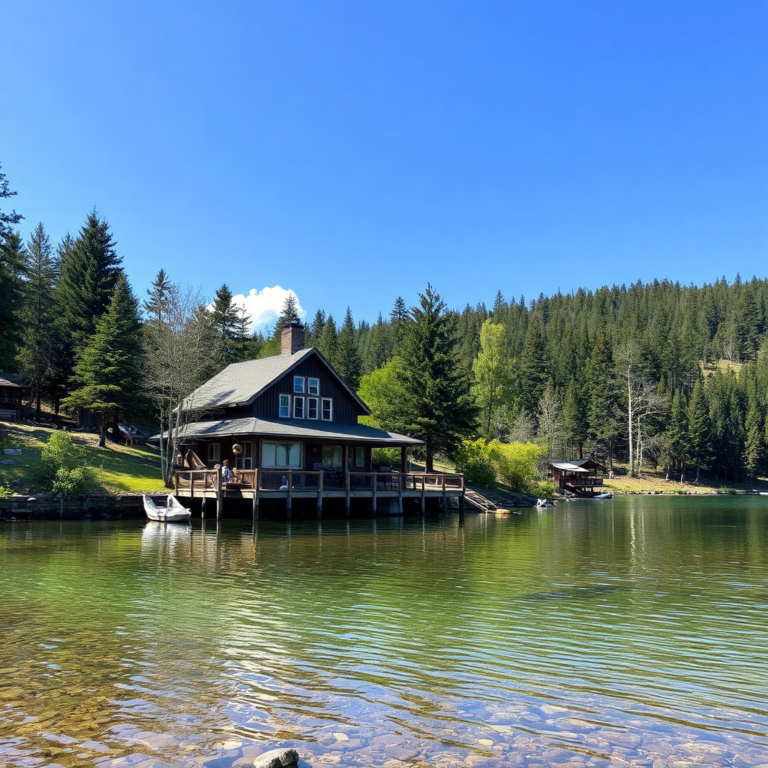
A lake community is a residential area built around or near a natural or man-made lake, where homes often have direct access to the water or shared lake amenities. These communities typically focus on providing waterfront living with recreational activities like boating, fishing, and swimming.
Living in a lake community appeals to people who value scenic water views, outdoor leisure, and a close-knit neighborhood atmosphere. The presence of a lake influences the design, culture, and lifestyle of the area, offering a distinct environment compared to typical suburban or urban neighborhoods.
This article will explore key features of lake communities, including the types of properties available, lifestyle benefits, community rules, maintenance responsibilities, and how to choose one that fits your preferences. We'll also compare different lake community categories and address common questions about this unique form of residential living.
Key Features of a Lake Community

Waterfront Access and Amenities
Many lake communities offer private or semi-private access to the lake, meaning residents can enjoy beaches, boat docks, fishing spots, and sometimes even marinas within their neighborhood boundaries.
These amenities encourage an active outdoor lifestyle, often including walking trails, picnic areas, and communal gathering spots that take advantage of the lake setting.
- Private boat docks or slips
- Designated swimming areas
- Clubhouses or community centers with lake views
Types of Homes in Lake Communities
Homes in lake communities range from modest cottages and cabins to luxury houses with expansive windows facing the water. Some lakeside neighborhoods might also feature condominiums or townhomes with shared amenities.
Often, the properties emphasize outdoor spaces such as decks, patios, or lawns designed to maximize enjoyment of the lakefront setting.
- Single-family lakefront houses
- Water-view condominiums
- Cabin-style vacation homes
Lifestyle and Social Dynamics in Lake Communities

Community Engagement and Events
Lake communities often foster a strong social environment through organized activities like fishing tournaments, holiday celebrations, and lakefront barbecues. These events build a sense of camaraderie among residents.
Many associations encourage involvement through committees that manage recreational programs or environmental conservation efforts around the lake.
- Fishing and boating meetups
- Seasonal festivals and socials
- Lake cleanup days
Quiet, Nature-Oriented Living
Living close to a lake generally means a quieter atmosphere with natural sounds like water rippling and birdsong, appealing to people seeking relaxation and a slower pace of life.
This nature-oriented environment often attracts retirees, families, and anyone wanting a break from busy city life.
Rules and Regulations Unique to Lake Communities

Homeowners Associations (HOAs) and Bylaws
Most lake communities have a homeowners association that enforces rules regarding property appearance, noise, lake use, and dock construction to maintain the neighborhood’s character and safety.
These regulations typically balance individual property rights with preserving shared amenities and protecting the lake environment.
- Restrictions on boat types and speeds
- Dock and shoreline maintenance standards
- Architectural controls on home modifications
For more on this, see our related guide: How to Buy a Lake Home with a Boat Slip: A Practical Guide.
Environmental Protections and Lake Conservation
Because lakes are sensitive ecosystems, communities often implement measures to protect water quality, limit pollution, and preserve natural habitats around the shoreline.
Residents might be required to follow guidelines on fertilizer use, waste disposal, and landscaping to reduce runoff into the lake.
- Mandatory septic system inspections
- Limits on chemical treatments for lawns
- Wildlife preservation initiatives
Choosing the Right Lake Community for You

Assessing Your Lifestyle Preferences
Consider whether you want year-round residence or a vacation home. The level of community involvement, types of recreational activities offered, and proximity to urban centers can affect your satisfaction living in a lake community.
Reflect on your needs for privacy versus social opportunities, and whether you prefer a quiet neighborhood or one with more organized events and amenities.
Analyzing Costs and Maintenance Responsibilities
Lakefront homes usually come with higher price tags compared to inland properties, partly due to lake access and scenic views.
Many lake communities also impose HOA fees that cover shared maintenance of docks, common grounds, and amenities, plus your own property will require upkeep to maintain waterfront integrity.
- Initial home purchase price
- Monthly or annual HOA fees
- Costs related to dock and shoreline care
Understanding Property Value and Market Trends in Lake Communities
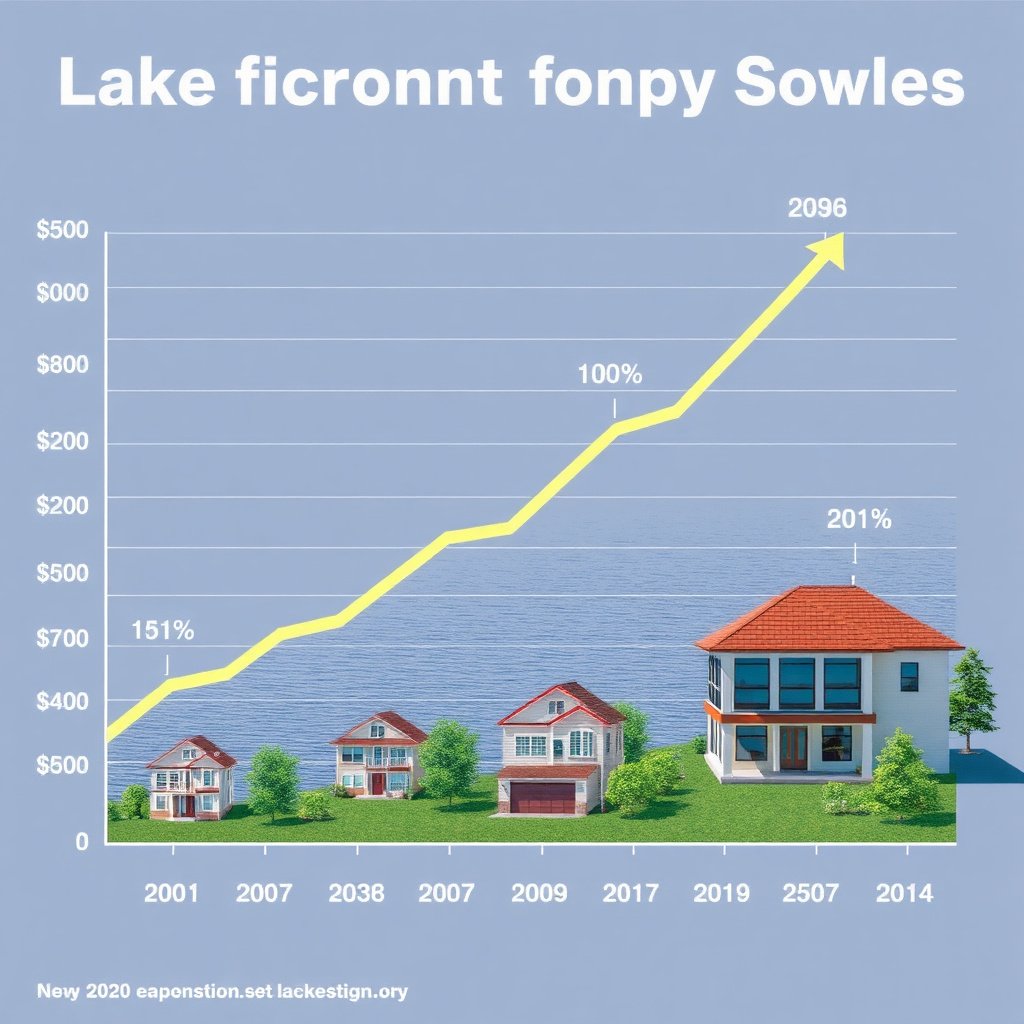
Factors Influencing Property Appreciation
Lake communities often see stable or appreciating property values due to limited lakefront availability and high demand for water-access living.
Developments that improve lake quality, add amenities, or enhance the neighborhood’s infrastructure tend to positively affect home values.
- Lake water quality improvements
- Community upgrades and renovations
- Local economic and tourism factors
For more on this, see our related guide: Exploring the Most Expensive Area of Lake of the Ozarks.
Market Challenges and Seasonal Fluctuations
Some lake communities experience seasonal real estate market cycles, where demand peaks in spring and summer when buyers are most drawn to lake activities.
Economic downturns or environmental concerns like algae blooms can temporarily slow sales or affect prices.
Maintenance and Managing Your Lakefront Property
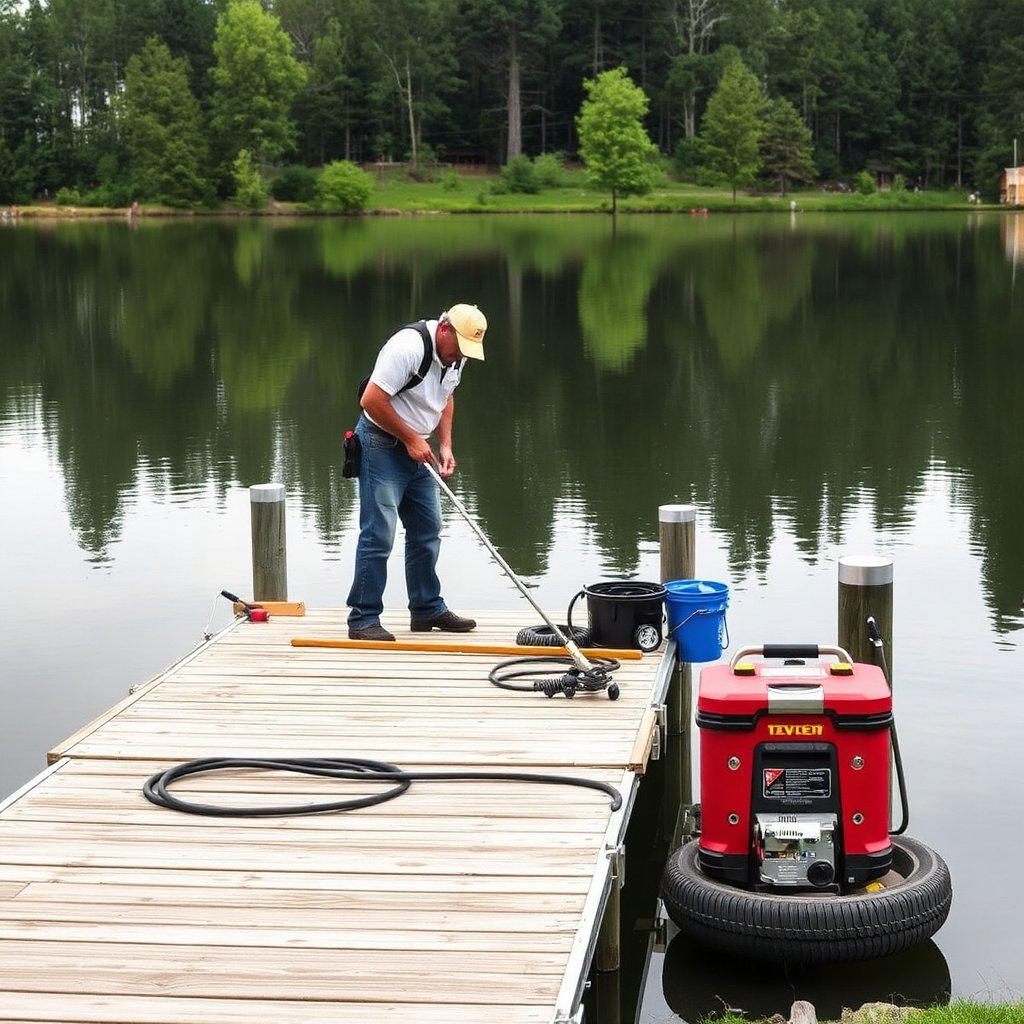
Regular Upkeep of Docks and Shorelines
Maintaining docks, seawalls, and shoreline vegetation is vital to prevent erosion and preserve water quality. This often requires seasonal inspections and timely repairs.
Proper landscaping with native plants helps stabilize banks and filter runoff, promoting a healthier lake ecosystem.
- Inspect and repair dock boards annually
- Plant shoreline buffer vegetation
- Manage debris removal promptly
For a broader historical and geographical context, you can refer to lake community information on Wikipedia. Lake community information on Wikipedia.
Handling Waste and Environmental Responsibilities
Lakefront homeowners should adhere to waste disposal regulations that prevent pollutants from entering the water, including septic system care and avoiding harmful chemicals near the shore.
Community programs sometimes assist with hazardous waste collection or provide guidelines to minimize environmental impact.
Lake Community Category Comparison
Below is a comparison of common lake community types based on access, amenities, cost, and population size.
| Community Type | Typical Amenities | Average Property Cost | Community Size |
|---|---|---|---|
| Private Gated Lake Community | Restricted lake access, clubhouses, private docks | $800K – $2M | Small to Medium |
| Public Lakefront Neighborhood | Public access, communal beaches, fewer restrictions | $300K – $700K | Large |
| Resort-Based Lake Community | On-site resort facilities, rental options, full amenities | $600K – $1.5M | Medium |
| Cottage Lake Community | Basic lake access, focus on nature and simplicity | $150K – $400K | Small |
Frequently Asked Questions
What distinguishes a lake community from other neighborhoods?
A lake community is defined by its proximity to a lake with shared or private waterfront access, creating a lifestyle centered on water-based recreation and community amenities.
Are there special legal considerations when buying a home in a lake community?
Yes, buyers should review HOA rules, shoreline access rights, and environmental restrictions that may impact property use and maintenance.
How do lake communities manage environmental protection?
These communities often enforce guidelines on landscaping, waste disposal, and watercraft operation to minimize pollution and preserve the lake ecosystem.
Can I use a lake community home as a vacation rental?
Many lake communities permit vacation rentals, but owners must check HOA policies and local laws which may impose restrictions or require registration.
Do lake community homes have higher insurance costs?
Lakefront properties can have higher insurance premiums due to flood risk and water-related hazards, so it's advisable to review insurance options carefully.
Key Takeaways
- Lake communities offer unique water-centric lifestyles with recreational and social amenities.
- They involve HOA rules that govern property use and environmental stewardship.
- Costs include higher price points and maintenance responsibilities for waterfront features.
- Selecting a lake community depends on lifestyle preferences and long-term property goals.
Conclusion
Evaluating a lake community as a place to live involves balancing lifestyle desires with practical considerations. The main keyword is essential because it captures the distinctive aspects of living near a lake, such as access to water activities, scenic environment, and a social atmosphere shaped by shared lake resources. Recognizing these factors allows potential homeowners to understand the unique blend of privacy, recreation, and community interaction that lake communities provide. Ultimately, these living arrangements mean more than just a place to stay—they shape how residents experience their daily lives and relationships.
For those prioritizing regular water access and organized social opportunities, private gated or resort-based lake communities might be an excellent fit, offering well-maintained docks and amenities to enrich daily living. Conversely, buyers seeking affordability and a nature-focused experience might gravitate toward cottage communities where simplicity and quiet emphasize the appeal. Public lakefront neighborhoods offer a mix of accessibility and community size that suits people desiring a more open atmosphere. Evaluating your priorities in terms of desired amenities, budget, maintenance tolerance, and community involvement is key to making the right choice.
The next step for anyone interested in joining a lake community is to visit potential neighborhoods, engage with current residents, and thoroughly review community guidelines and property covenants. Understanding the responsibilities tied to lakefront living is just as important as appreciating the lifestyle. Prospective buyers should seek expert advice from real estate professionals familiar with lakefront properties to navigate the specifics. That way, they can confidently find a home that complements their personal goals while enjoying the many benefits afforded by lake community living.