Can You Airbnb a Lake House? A Complete Guide to Renting Your Waterfront Property
Yes, you can Airbnb a lake house, but doing so comes with specific considerations unique to waterfront properties. Many property owners successfully rent their lake houses on Airbnb, providing guests with a serene and attractive vacation experience. However, factors like local regulations, property maintenance, safety protocols, and marketing strategies play key roles in hosting guests effectively.
Renting out a lake house on Airbnb can be lucrative since vacationers often seek picturesque retreats close to nature. Yet, lake houses typically involve extra responsibilities such as managing dock access, dealing with seasonal weather, and ensuring proper insurance coverage. Before listing, understanding these elements helps prevent complications and enhances guest satisfaction.
This article explores everything you need to know about listing a lake house on Airbnb. We'll cover zoning and permit requirements, safety and maintenance tips, how to set competitive pricing, the best way to attract renters, and practical ways to manage your lake house vacation rental smoothly.
Understanding Local Regulations for Renting a Lake House

Zoning Laws and Permits
Before listing your lake house on Airbnb, check local zoning laws to determine if short-term rentals are allowed in your area. Many municipalities near lakes have specific rules restricting or regulating vacation rentals to preserve community character and protect the environment.
Obtaining the necessary permits, like a business or rental license, may be required. Some areas limit the number of days a property can be rented or require registration with local authorities. Understanding and following these regulations helps avoid fines and ensures legal compliance.
- Research zoning restrictions
- Apply for relevant rental permits
- Limit rental duration if required
Homeowners’ Association Rules
If your lake house is part of a homeowners’ association (HOA), review its rules regarding short-term rentals. Many HOAs prohibit rentals or require approval for them to maintain property values and noise control.
Working with your HOA early helps prevent conflicts and possible removal of your listing from Airbnb if HOA policies are violated. Some associations may impose additional fees or community guidelines for renters to follow.
- Check HOA rental policies
- Seek approval if required
- Communicate guidelines to guests
Setting Up Your Lake House for Airbnb Guests
Safety Features Specific to Lake Houses
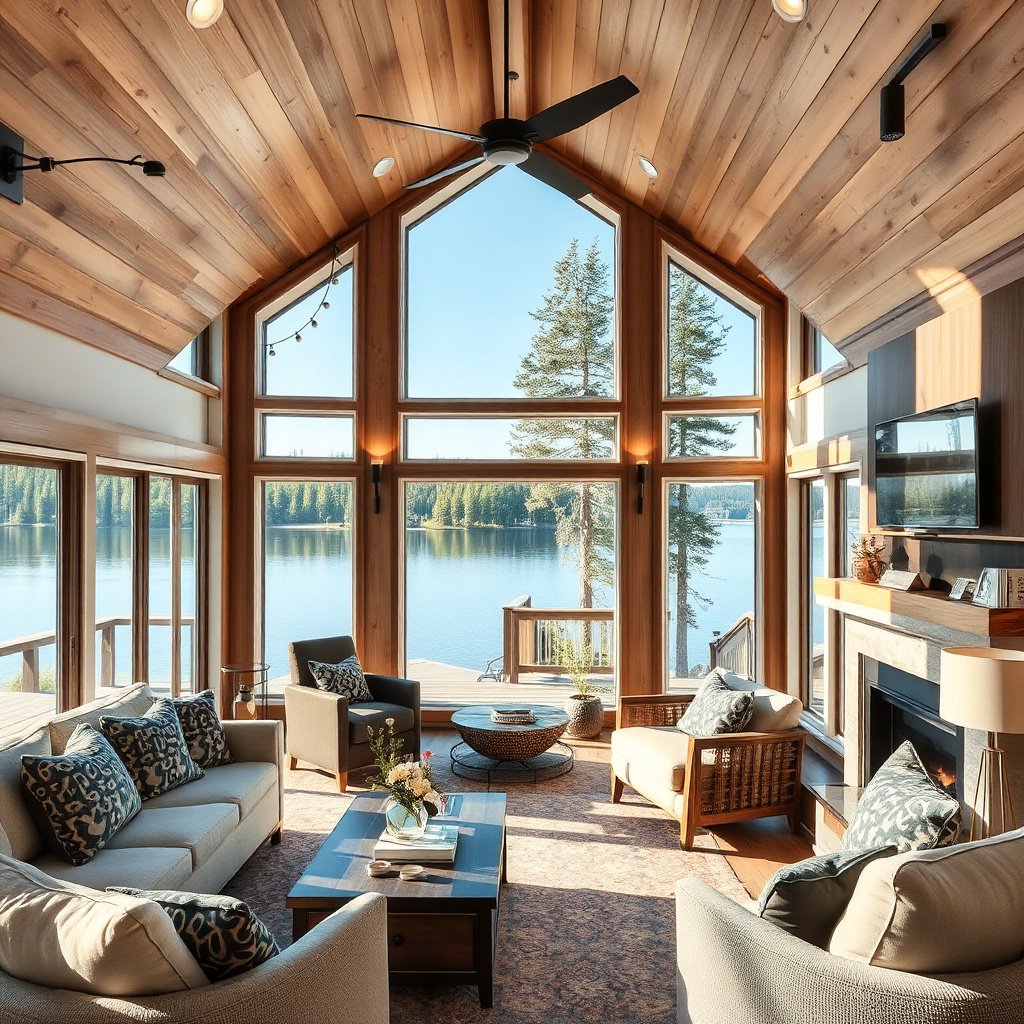
Prioritize guest safety by installing smoke and carbon monoxide detectors, secure railings around docks, and clearly marked swimming areas. Provide life jackets and emergency contact information within the property.
Because of water proximity, highlight any potential hazards in your Airbnb listing and during guest orientation. Being transparent about safety measures builds trust and reduces liability risks.
- Smoke & CO detectors
- Life jackets available
- Clear hazard warnings
Maintaining Seasonal Readiness
Lake houses are affected by seasons—freeze risks in winter, insects in summer, and storms during certain months. Maintain your property accordingly with regular inspections, pest control, and climate-specific upkeep to keep guests comfortable.
Seasonal preparation also includes managing dock safety, securing outdoor furniture, and ensuring heating or cooling systems work efficiently during stays.
- Regular seasonal inspections
- Pest management
- Weather-proofing outdoor areas
Marketing Your Lake House Vacation Rental
Highlighting Unique Waterfront Features
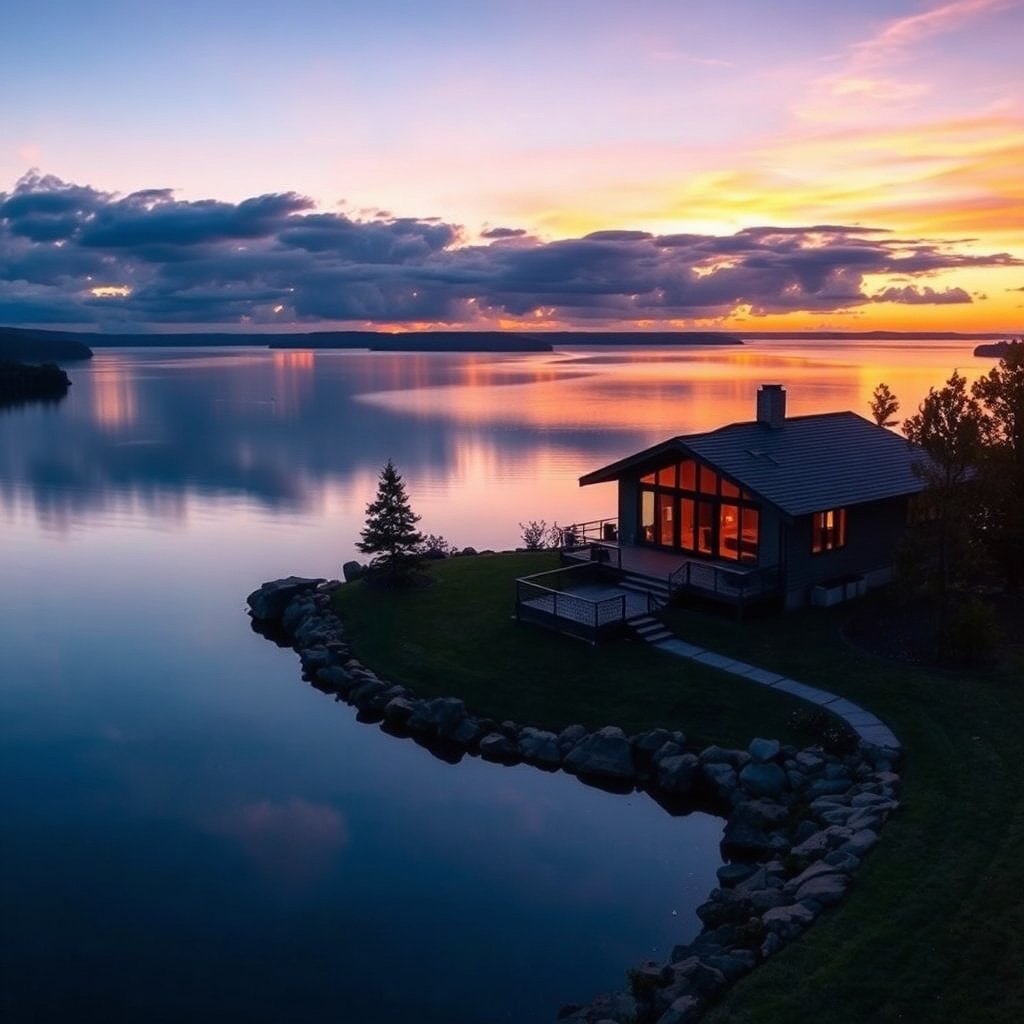
Emphasize your lake house’s unique selling points such as private docks, boat rentals, fire pits, fishing spots, or panoramic water views in your Airbnb description and photos. Showcasing these amenities helps your listing stand out among other vacation rentals.
High-quality images taken during golden hours and listing clear details about water access and nearby attractions entice potential renters seeking an authentic lake experience.
- Private dock access
- Water sports equipment
- Scenic lake views
For more on this, see our related guide: How to Rent Out a Lake House: A Complete Guide for Owners.
Optimizing Pricing for Competitive Advantage
Research comparable lake house rentals nearby to price your listing competitively. Factor in your property’s size, amenities, seasonality, and demand fluctuations to set flexible prices that attract guests while maximizing income.
Using Airbnb’s dynamic pricing tools or external apps can automate adjustments based on market trends and local events, helping you optimize occupancy rates throughout the year.
- Competitive market analysis
- Seasonal price adjustments
- Use dynamic pricing tools
Managing Guest Experience and Expectations

Effective Communication Before and During Stay
Clear, prompt communication with guests regarding check-in procedures, amenities, and rules is essential for a smooth experience. Provide detailed instructions for accessing the property, boat or dock usage, and safety guidelines.
Address guest inquiries quickly and have a plan for on-call support if issues arise during the stay. Personal touches in communication enhance guest satisfaction and positive reviews.
- Detailed check-in guides
- Availability for guest questions
- Welcoming messages
Cleaning and Maintenance for Guest Turnover
Maintain a high standard of cleanliness between bookings to meet guest expectations of a vacation rental. Given proximity to water, pay special attention to removing sand, debris, and preventing mold.
Regular maintenance of docks, outdoor furniture, and appliances keeps the lake house functional and appealing. Hiring professional cleaners familiar with vacation rentals can streamline turnover times.
- Thorough cleaning routines
- Inspect and repair amenities
- Hire experienced vacation rental cleaners
Dealing with Insurance and Liability for a Lake House Rental
Choosing Appropriate Insurance Coverage
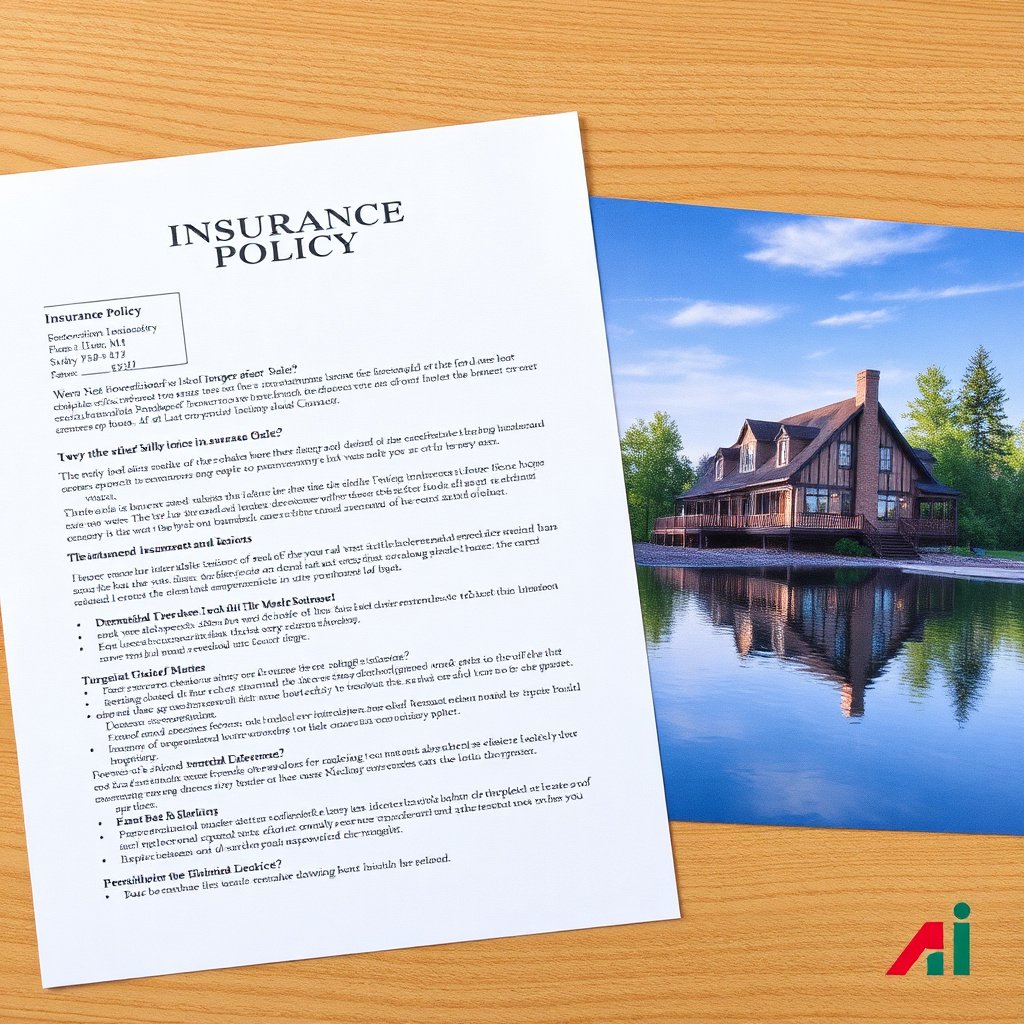
Regular homeowners insurance often excludes short-term rentals or waterfront property risks. Acquire a specialized vacation rental or landlord insurance policy that covers guest injuries, property damage, and potential liability specific to lakefront living.
Ensure coverage includes water-related accidents and natural risks like flooding or storms common to lakeside properties. Consult with specialized insurance agents for tailored advice.
- Vacation rental insurance
- Liability coverage
- Water damage protection
For more on this, see our related guide: How Much Do Lake House Rentals Cost? A Complete Pricing Guide.
Limiting Liability Through Rules and Waivers
Implement clear rental agreements and house rules that address guest responsibilities, dock usage, swimming, and other water-related activities. Consider requiring liability waivers to legally protect yourself from potential claims.
Display safety instructions and emergency procedures prominently on site. These efforts reduce legal exposure and promote guest safety awareness.
- Rental agreements
- Liability waivers
- Posted safety guidelines
Cleaning and Maintenance Tips for Lake House Vacation Rental
Routine Cleaning Challenges Specific to Lake Houses
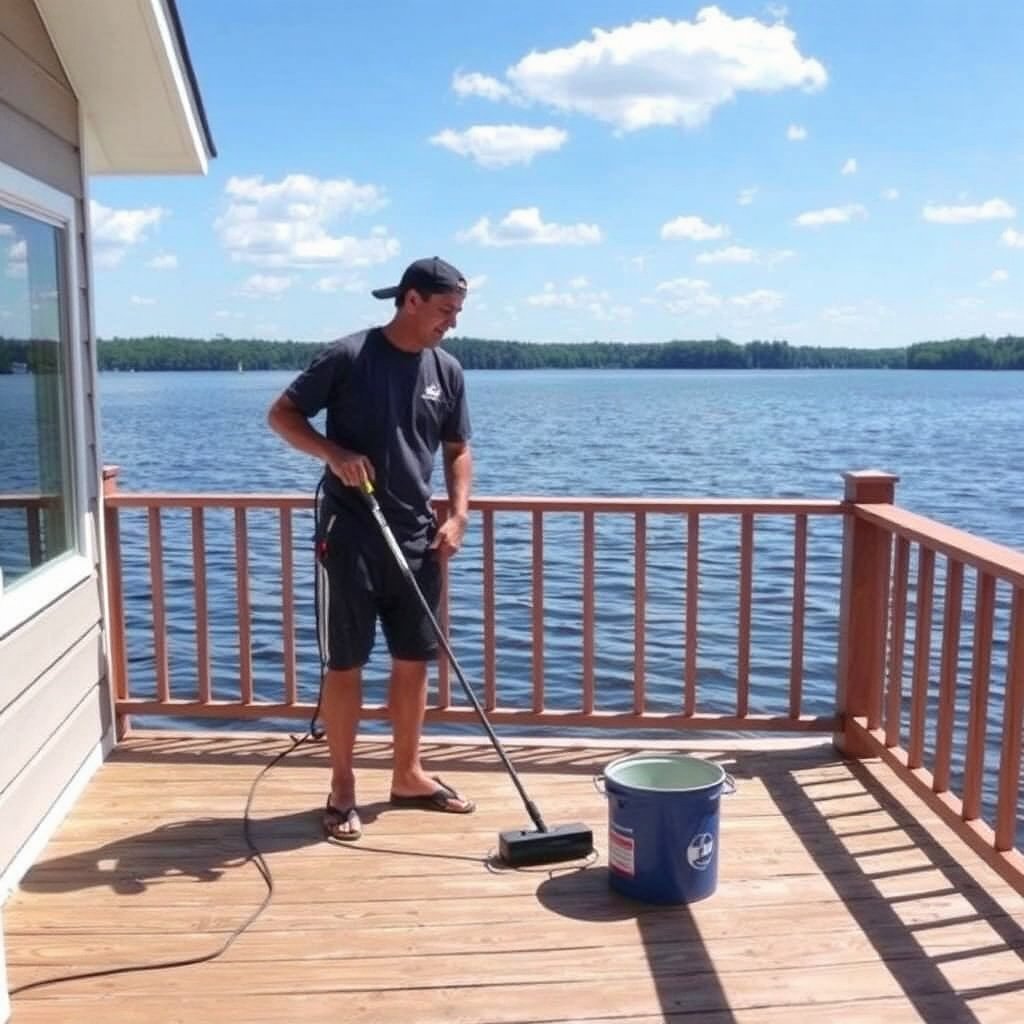
Lake house rentals often face dirt and moisture issues from the nearby water and natural surroundings. Frequent cleaning is needed to handle sand, mud, and mildew, especially in entryways, bathrooms, and kitchens.
Use mildew-resistant products and dehumidifiers to keep interiors fresh. Outdoor areas like decks and docks require scrubbing and debris removal to remain safe and attractive for guests.
- Use mildew-resistant cleaning products
- Regularly clean entryways
- Maintain outdoor deck areas
For a broader understanding of legal and regulatory issues, refer to this short-term rental regulations overview. short-term rental regulations overview.
Effective Maintenance Routines
Schedule routine inspections to catch wear and tear from weather exposure on roofs, decks, and boats. Seasonal maintenance, like sealing wood surfaces and winterizing plumbing, protects your investment and prevents costly repairs.
Include professional inspections for septic systems and water quality testing if applicable to maintain health standards for guests.
- Seasonal inspections
- Seal wood annually
- Test water quality regularly
Lake House Rental Types Comparison
This table compares different categories of lake house rentals to help you decide which type suits your hosting goals.
| Type | Typical Size | Average Nightly Price | Guest Capacity | Seasonal Demand |
|---|---|---|---|---|
| Cozy Cabin | 1-2 bedrooms | $120-$180 | 2-4 guests | High in summer |
| Modern Lakefront Home | 3-5 bedrooms | $250-$450 | 6-10 guests | Year-round, peak summer |
| Luxury Estate | 5+ bedrooms | $500-$1000+ | 10+ guests | High in summer and holidays |
| Condo/Apartment by Lake | 1-3 bedrooms | $100-$200 | 2-6 guests | Moderate year-round |
| Rustic Cottage | 1-3 bedrooms | $100-$150 | 4-6 guests | Strong summer weekend demand |
Frequently Asked Questions
Can I legally rent out my lake house on Airbnb?
Yes, provided you comply with local zoning laws, obtain any necessary permits, and follow HOA rules if applicable.
What special safety features should I have in a lake house rental?
Install smoke and carbon monoxide detectors, provide life jackets, secure docks, and clearly communicate water safety rules to guests.
How should I price my lake house on Airbnb?
Set prices based on local market rates, your property size and amenities, seasonality, and use tools to adjust dynamically for demand.
Do I need special insurance to rent my lake house?
Yes, a vacation rental insurance policy covering water-related risks and guest liability is recommended to protect your property.
How can I attract more bookings for my lake house vacation rental?
Highlight unique features like private docks and lake access, use high-quality photos, and write detailed descriptions emphasizing the waterfront experience.
Key Takeaways
- Verify local laws and HOA rules before listing your lake house on Airbnb.
- Prioritize guest safety with water-specific precautions and clear communication.
- Price your rental competitively using market data and dynamic tools.
- Maintain thorough cleaning and seasonal maintenance to ensure quality stays.
Conclusion
Renting a lake house on Airbnb involves balancing regulatory compliance, property management, and guest experience to maximize the benefits of waterfront rental income. Understanding zoning laws, permits, and HOA regulations forms the foundation for a legal and smooth rental operation. Paying attention to safety features and seasonal upkeep ensures guests enjoy their stay confidently, which leads to better reviews and repeat bookings. Thoughtful marketing that emphasizes the unique lake environment can differentiate your listing in a competitive market.
Depending on your property's size and amenities, you might choose from cozy cabins perfect for small groups, modern lakefront homes with premium features, or even luxury estates suited to large families and celebrations. Adjust your pricing strategy seasonally and leverage professional cleaning services to handle turnover efficiently. With adequate liability coverage tailored for waterfront risks, you protect your investment against unforeseen issues. Applying a guest-centric approach—from clear communication to safety protocols—helps create memorable vacations that build strong host reputations.
If you own a lake house and want to tap into vacation rental income, start by researching local rules and securing required permits. Prepare your home by adding water safety measures and managing maintenance tasks throughout the year. Craft a compelling Airbnb listing with vivid photos and clear descriptions of your lake access and amenities. By combining legal diligence with practical property and guest management, you can successfully rent your lake house and offer travelers a distinctive nature escape.