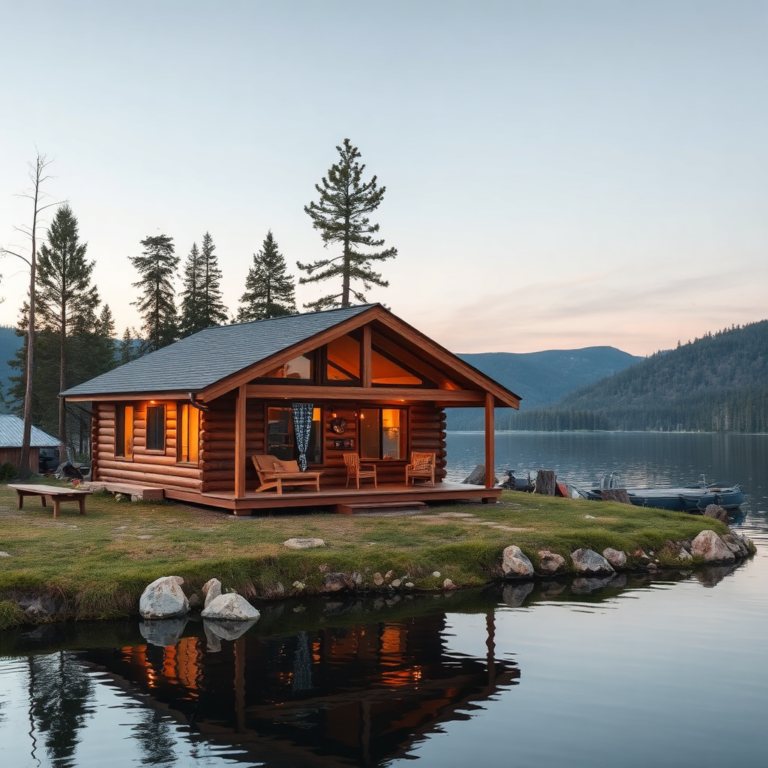
Can You Buy a Lake House with a USDA Loan? What You Need to Know
You can buy a lake house with a USDA loan, but only if the property is located within the USDA’s designated rural areas and meets other loan criteria. USDA loans are designed to help buyers finance homes in eligible rural and suburban locations, and some lakefront properties qualify if they fall within these boundaries.
This matters because USDA loans offer 100% financing, low interest rates, and reduced mortgage insurance costs, which can make purchasing a lake house more affordable if you meet the requirements. However, not all lake houses qualify because USDA has strict rules about property location and condition.
This article will explain how USDA loan eligibility works for buying lake houses, what types of properties qualify, factors affecting approval, and alternative financing options if a lake house doesn’t meet USDA requirements.
Understanding USDA Loan Requirements for a Lake House

Property Location and USDA Definitions
USDA loans are aimed at homes in rural or certain suburban areas as defined by the USDA. To buy a lake house with a USDA loan, the property must fall within an eligible rural area according to USDA maps. These maps define qualifying zones based on population and development status.
Not every lakefront property qualifies since many popular lakes are near urban or densely populated areas. It’s important to check the USDA eligibility map before pursuing USDA financing for a lake house purchase.
- Rural location as per USDA criteria
- Population limits depending on the area
- Exclusion of urban and highly developed suburbs
Property Use and Eligibility
The USDA loan program requires the lake house to be used as a primary residence, not as a vacation or investment property. This means buyers must intend to live in the home full time to qualify.
Additionally, the property must meet certain condition standards to ensure safety, sanitation, and structural soundness before approval for USDA loans.
- Primary residence requirement
- Property condition standards
- No financing allowed for investment or rental lake houses
USDA Loan Eligibility for Rural Properties and Lakefront Homes
Checking USDA Eligibility Maps
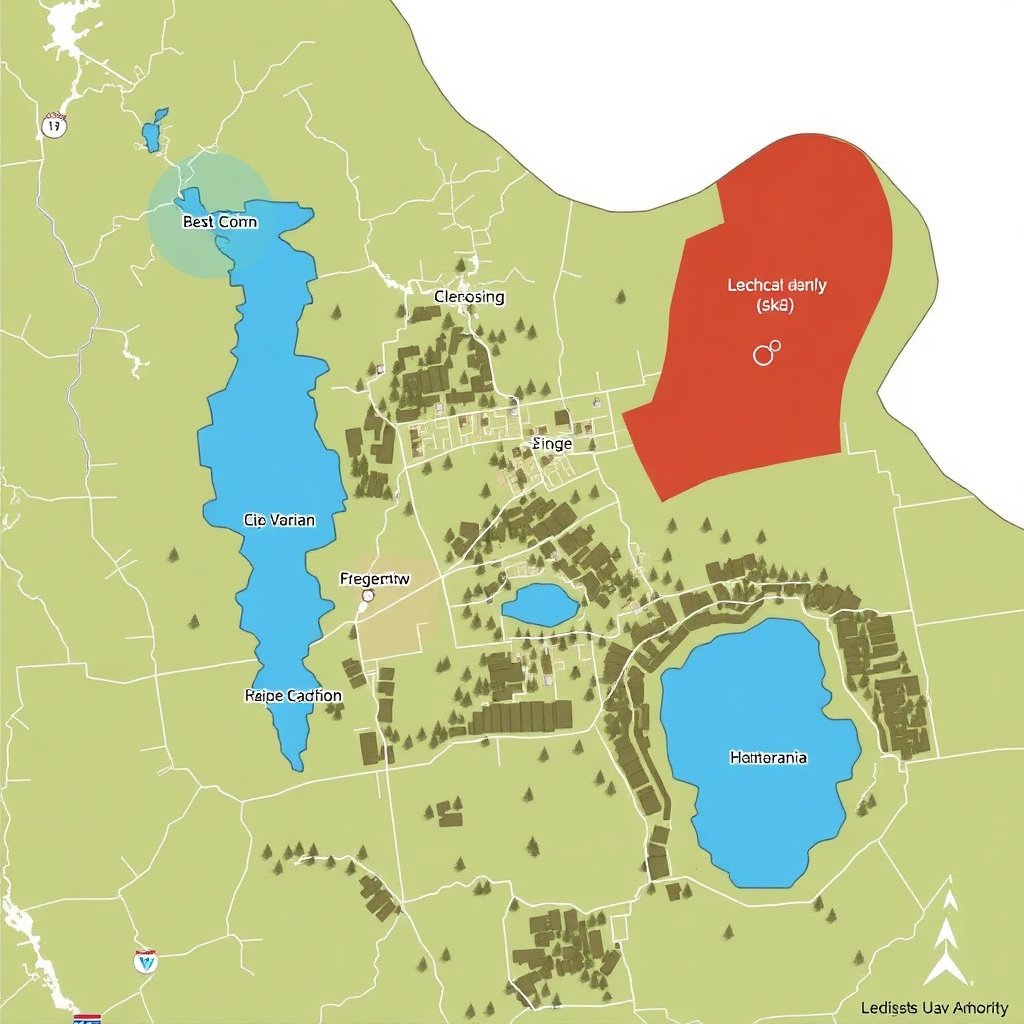
USDA maintains detailed eligibility maps that buyers can use to see if a lake house’s address qualifies for USDA financing. These maps are updated regularly and available online through the USDA’s official website.
Some lakes are surrounded by USDA-eligible areas, while others may be excluded. Buyers should verify the exact property location and even consult lenders who specialize in USDA loans for confirmation.
- Access USDA eligibility maps online
- Confirm eligibility before house hunting
- Consult USDA lenders for property verification
Income and Credit Qualification for USDA Loans
USDA loans require buyers to meet specific income limits based on their area, which varies depending on the size of the household and location. Qualifying for the loan depends partly on staying within these income thresholds.
Credit requirements tend to be flexible compared to conventional loans. Lenders often look for credit scores above 640 but may allow lower scores with compensating factors.
- Income limits tied to geographic area
- Minimum credit score around 640
- Consideration for compensating financial factors
Appraisal and Inspection Requirements for Lake Houses
Appraisal Standards for USDA Loans
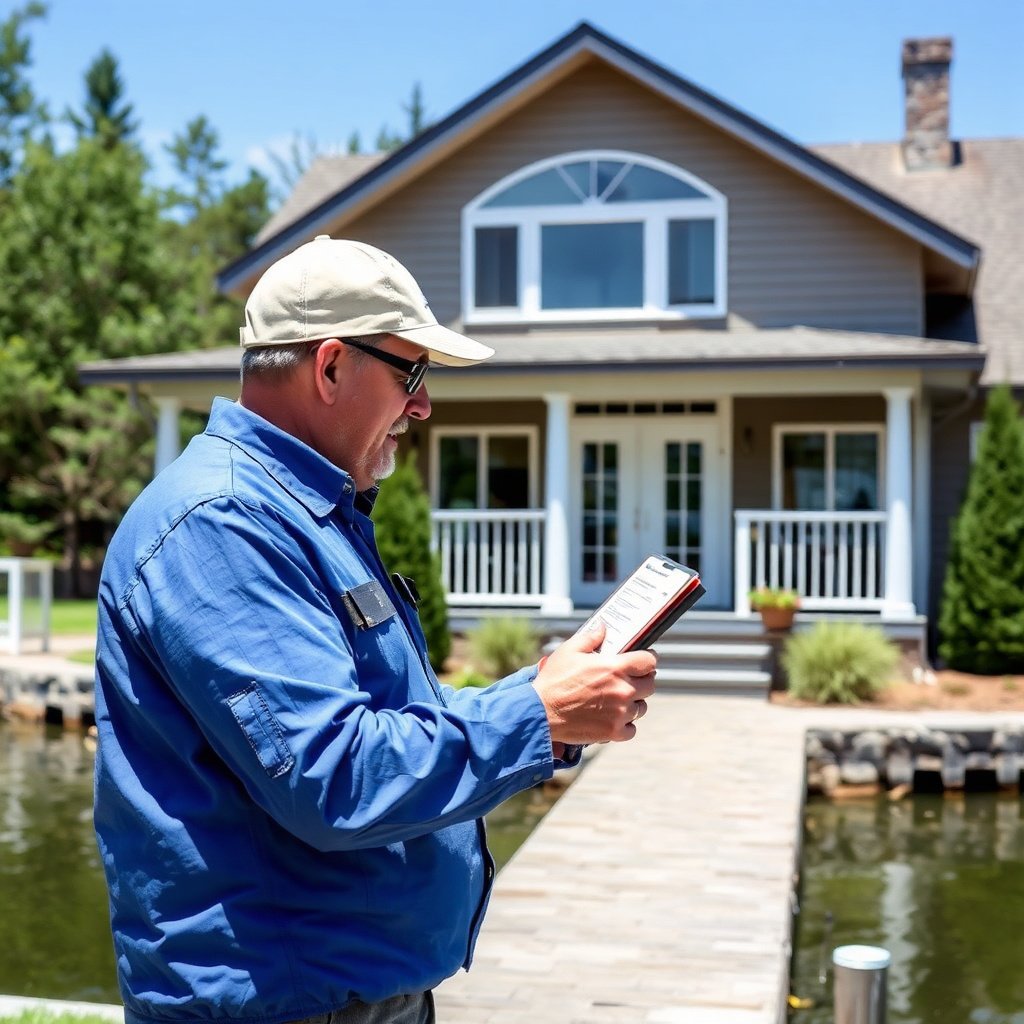
The appraisal process for USDA loans addresses both the market value and condition of the property. For lake houses, the appraisal must confirm value aligns with purchase price and that the lake house meets all safety standards.
Value adjustments may be made depending on factors like waterfront access, erosion risk, and flood zones, which impact the property’s long-term value and insurability.
- Must meet USDA minimum property requirements
- Appraiser evaluates waterfront features
- Consider flood and environmental factors
For more on this, see our related guide: Can You Buy a Lake House with an FHA Loan? What You Need to Know.
Inspections Specific to Waterfront Properties
USDA loans require thorough inspections to confirm the home’s livability and safety. For lake houses, inspections often include checks for water-related issues such as mold, foundation erosion, and proper septic system function.
Buyers are encouraged to order independent inspections focusing on lake-specific risks to avoid unexpected repair costs after purchase.
- Check for mold and water damage
- Inspect foundation for erosion or stability
- Verify septic and water system compliance
Alternatives if a Lake House Does Not Qualify for USDA Loans

Conventional Loan Options for Lake Houses
If a lake house falls outside USDA eligible areas, conventional loans are a viable alternative. Conventional loans typically require a down payment, but they offer more flexibility in property location and use.
Buyers who want to finance lakefront vacation homes or properties in more urbanized areas may prefer these options despite potentially higher upfront costs.
- Lower geographic restrictions
- Possible down payment requirements
- Suitable for primary and secondary homes
Other Government Loan Programs
VA and FHA loans might be options for eligible buyers looking for lake houses, each with their own eligibility and property standards. VA loans serve veterans and active military with favorable terms, while FHA loans accommodate moderate credit buyers.
However, these programs also limit financing for non-primary residences and may have geographic or property condition restrictions.
- VA loans require veteran status
- FHA loans accept lower credit scores
- Both focus on primary residence financing
The Impact of Location and Environment on USDA Lake House Loans
Environmental Concerns and Loan Approval
Lakefront properties may face environmental risks like flooding, erosion, or pollution, all of which USDA considers during loan underwriting. These factors can influence loan approval or require mitigation measures before closing.
Lenders may ask for flood insurance or engineering reports to address these concerns, especially in high-risk zones.
- Flood risk assessment required
- Possible engineering or environmental reports
- Flood insurance typically mandatory
For more on this, see our related guide: How Long Does It Take to Close on a House? A Detailed Timeline Guide.
Proximity to Amenities and Infrastructure
Although USDA loans focus on rural properties, access to essential services such as roads, utilities, and emergency services is important to qualify. Isolated lake houses lacking infrastructure may not meet USDA requirements.
Buyers should review proximity to schools, hospitals, and markets as part of their location selection when considering USDA loans.
- Access to public roads and utilities
- Emergency service availability
- Nearby schools and shopping centers
Working with Lenders and Real Estate Agents for USDA Lake House Purchases

Choosing the Right USDA Lender
Selecting a lender experienced with USDA loans and rural properties can streamline the process of buying a lake house. Specialized lenders can verify property eligibility, guide on documentation, and address common USDA loan challenges.
Buyers should compare loan terms and closing costs among USDA lenders to find the best fit for financing a lake house.
- Experience with USDA rural loans
- Knowledge of lake house appraisal issues
- Transparent fee disclosure
For more detailed information on USDA loans and eligible property criteria, visit the USDA Rural Development home loans page. USDA Rural Development Home Loans.
Real Estate Agent Expertise in USDA-Eligible Lake Houses
Real estate agents familiar with USDA loan requirements and rural lake properties can help buyers identify qualifying homes and avoid wasting time on ineligible listings.
They can also negotiate effectively, navigate inspections specific to lake houses, and coordinate with lenders for a smooth closing.
- Knowledge of USDA rural property criteria
- Experience negotiating waterfront property sales
- Coordination with USDA lenders and inspectors
USDA Loan vs. Alternative Financing for Lake Houses
This table compares USDA loans and other common mortgage types used for buying lake houses, focusing on key features and eligibility.
| Loan Type | Down Payment | Property Eligibility | Credit Requirements | Use Restrictions |
|---|---|---|---|---|
| USDA Loan | No down payment | Rural USDA-eligible areas, primary residence only | Credit scores generally above 640 | Must be primary residence |
| Conventional Loan | Typically 3-20% | Any location, including urban/suburban | Higher credit requirements, varies | Primary or secondary homes allowed |
| FHA Loan | 3.5% minimum | Mostly urban and suburban – property must meet standards | Credit scores 580+ common | Primary residence only |
| VA Loan | No down payment | Any location, veterans/military only | Flexible credit standards | Primary residence only |
Frequently Asked Questions
Can USDA loans be used for vacation lake houses?
No, USDA loans are only for primary residences. Vacation or second homes like lake houses used part-time are generally not eligible for USDA financing.
How can I check if a lake house is USDA eligible?
You can check eligibility using the USDA’s online property eligibility map by entering the address. Approved lenders can also verify property eligibility.
Are there income limits when using a USDA loan for a lake house?
Yes, USDA loans have strict income limits based on local area median incomes and household size, which must be met to qualify.
Does USDA require flood insurance for lake houses?
If a lake house is in a flood zone, USDA requires flood insurance before loan approval to protect both lender and borrower.
Can I use a USDA loan for a lake house if the property needs repairs?
USDA loans require the property to meet certain condition standards, but minor repairs or improvements can sometimes be financed through USDA’s repair program.
Key Takeaways
- You can buy a lake house with USDA loans if it’s in an eligible rural area and used as a primary residence.
- USDA has detailed maps and income limits that define eligibility for lakefront properties.
- Alternative loans like conventional or FHA offer more flexibility for lake houses in non-rural or vacation use.
- Working with specialized USDA lenders and real estate agents improves chances of success.
Conclusion
Purchasing a lake house with a USDA loan is an option for buyers targeting rural or sparsely populated areas, provided the property qualifies under USDA’s location and use requirements. The key to making this finance route work lies in thoroughly verifying property eligibility through USDA’s official resources and understanding the primary residence use condition. Buyers benefit from USDA’s zero-down payment advantage, but should remain mindful of location limits and income qualifications necessary for approval.
For those considering lake houses outside USDA-designated rural boundaries or planning to use the home as a vacation property, conventional loans often serve as the next best solution despite requiring down payments and generally higher credit scores. FHA and VA loans may also apply to specific buyers with their own eligibility restrictions. Assessing the property’s location, intended use, and your financial profile early on ensures you focus on loan options aligned with your goals and the lake house’s specific characteristics.
Next steps include checking USDA’s eligibility maps for your desired lake area and consulting lenders specializing in USDA loans who can verify loan feasibility. Alongside this, working with real estate agents who understand USDA guidelines helps navigate property selection and the inspection process tailored to waterfront homes. With precise preparation, buying your dream lake house using a USDA loan can be an achievable and financially sound experience.