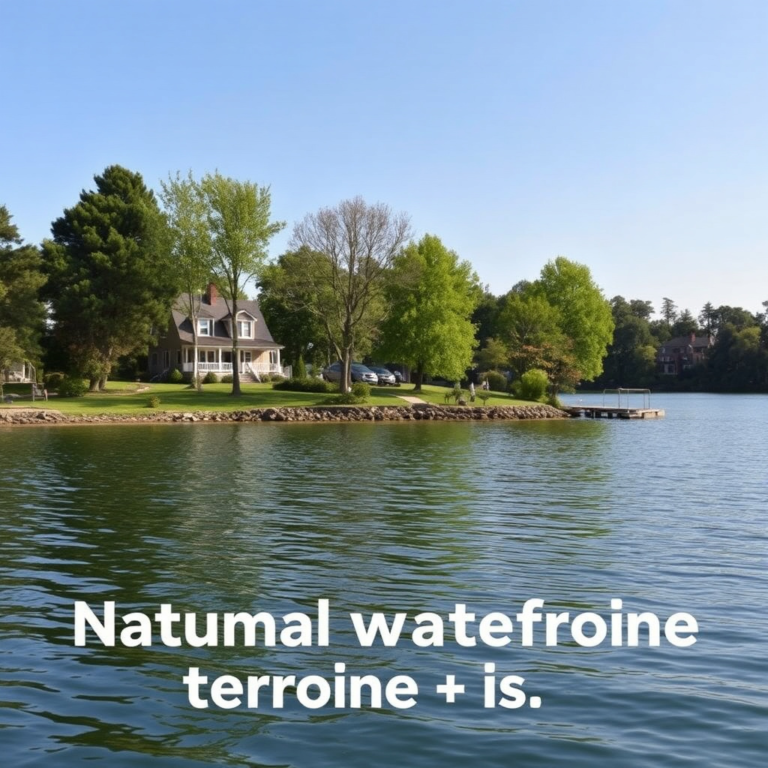
How to Get Flood Insurance for a Lake House: Essential Steps and Tips
Obtaining flood insurance for a lake house involves understanding your property’s flood risk, determining the right type of coverage, and applying through either the National Flood Insurance Program (NFIP) or private insurers. Start by assessing your lake home's flood zone designation and gather property details such as elevation certificates to streamline the application process.
Flood insurance matters greatly for lake houses because proximity to water increases the chances of flooding from natural events, which standard homeowners insurance policies typically exclude. Without proper coverage, costly damage to your lake house's structure and contents could lead to financial strain after a flood event.
This article explains various flood insurance options for lake houses, how to evaluate your flood risk, the application process through government and private insurers, cost factors to expect, and tips for making an informed decision to protect your waterfront investment.
Understanding Flood Risk for Your Lake House
Flood Zones and Their Impact on Insurance
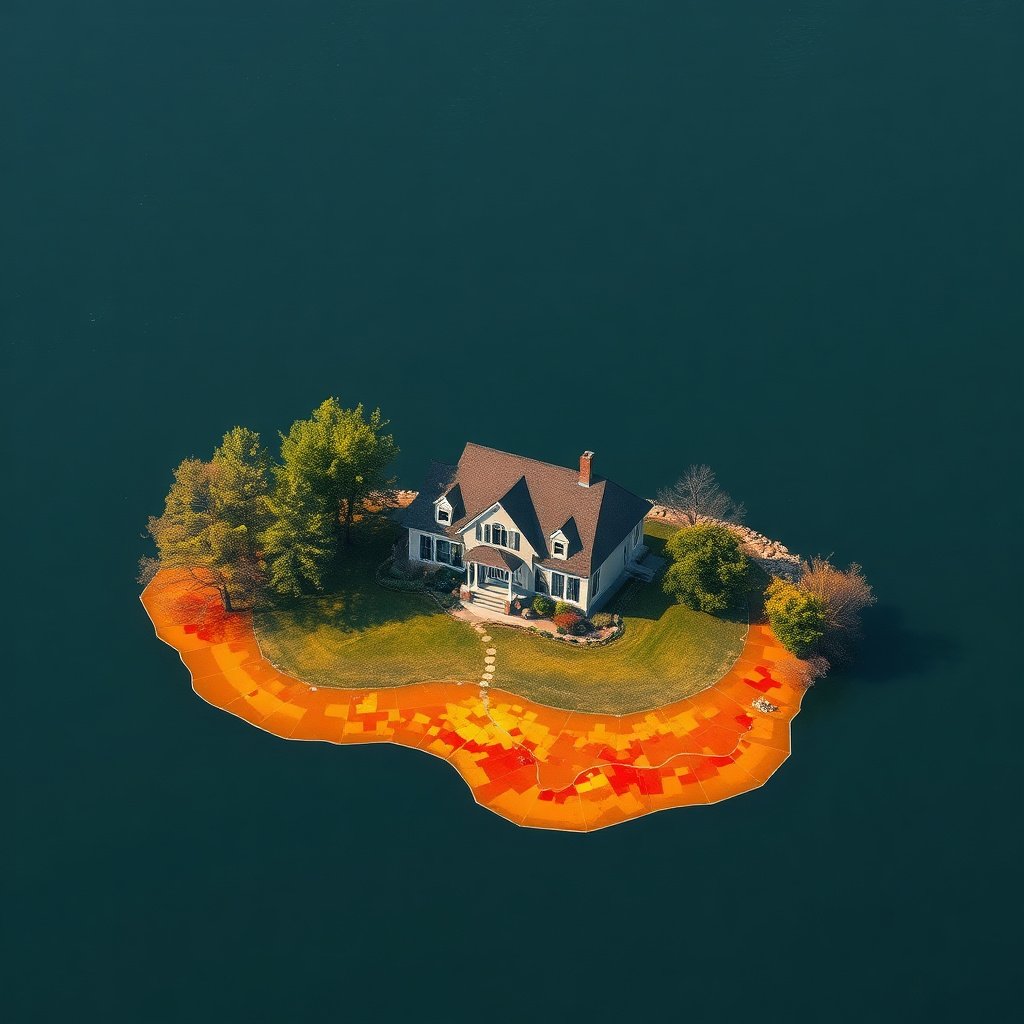
Flood zones determine the likelihood of flooding on your lake property and influence insurance premiums. Zones range from low-risk minimal flood zones (Zone X) to high-risk Special Flood Hazard Areas (Zones A and V). Knowing your flood zone helps predict insurance costs and coverage requirements.
You can find your lake house’s flood zone through FEMA’s Flood Map Service Center by entering your property address. Homes in higher-risk zones often require flood insurance by mortgage lenders and will have higher premiums than those in low-risk zones.
Elevation Certificates and Their Role
An elevation certificate details your lake house’s height relative to the estimated flood level (Base Flood Elevation). This data directly impacts flood insurance rates by showing how vulnerable your property is to flooding.
Obtaining a certified elevation certificate from a qualified surveyor can reduce premiums if your lake house sits above flood levels. It’s often required when applying for flood insurance in high-risk zones or through the NFIP.
Flood Insurance Policy Options for Lake Houses
National Flood Insurance Program (NFIP)
The NFIP is a federal program offering standardized flood insurance policies to eligible properties, including lake houses. This government-backed coverage covers structural damage and, optionally, contents inside the lake house.
Most mortgage lenders require NFIP flood insurance if your lake house is in a high-risk flood zone. Policies have set coverage limits and waiting periods but remain the most accessible choice for many lake house owners.
Private Flood Insurance Providers
Private flood insurance companies provide alternative policies often with higher coverage limits, shorter waiting periods, and additional perks compared to NFIP plans. Some private insurers assess flood risk based on updated data, potentially lowering costs for lake houses.
Before selecting private insurance, verify the company’s reputation, policy details, and claims process, since private market offerings vary widely and may not always be available depending on your location.
How to Apply for Flood Insurance for a Lake House

Gathering Necessary Documents and Information
Prepare your lake house’s address, legal description, flood zone designation, and an elevation certificate if available. You’ll also need details on construction type, number of floors, foundation type, and the total insured value you desire.
Having complete information helps the insurer accurately assess risk and provide precise quotes. Missing details often delay application approval or result in higher premiums.
For more on this, see our related guide: How to Buy a Second Home at the Lake: A Complete Guide.
Choosing the Right Agent or Insurer
Contact your current insurance agent, who may offer flood insurance policies or refer you to NFIP providers. Alternatively, seek agents specializing in lake house insurance options who understand waterfront property risks.
Compare quotes from several insurers and ask about waiting periods, deductibles, and coverage limits to find the best fit for your lake house’s flood insurance needs.
Factors Affecting Flood Insurance Costs for Lake Houses

Location and Flood Zone Impact
Your lake house’s position in a flood zone greatly influences premiums. High-risk zones demand higher rates, while properties in floodplain outskirts or low-risk zones pay less. Proximity to the lake and historical flood data also shape costs.
Local flood mitigation efforts and community compliance with floodplain regulations can reduce insurance costs but varying factors make pricing complex for lake properties.
Building Characteristics and Coverage Amount
Construction materials, elevation above the floodplain, foundation type, and home size affect how insurers price flood insurance. For example, raised foundations on stilts lower premiums compared to slab-on-grade builds.
Selecting coverage amounts for the structure and contents influences cost. Higher limits increase premiums but better protect your investment in a flood event.
Mitigation Tips to Lower Flood Insurance Premiums
Structural Improvements
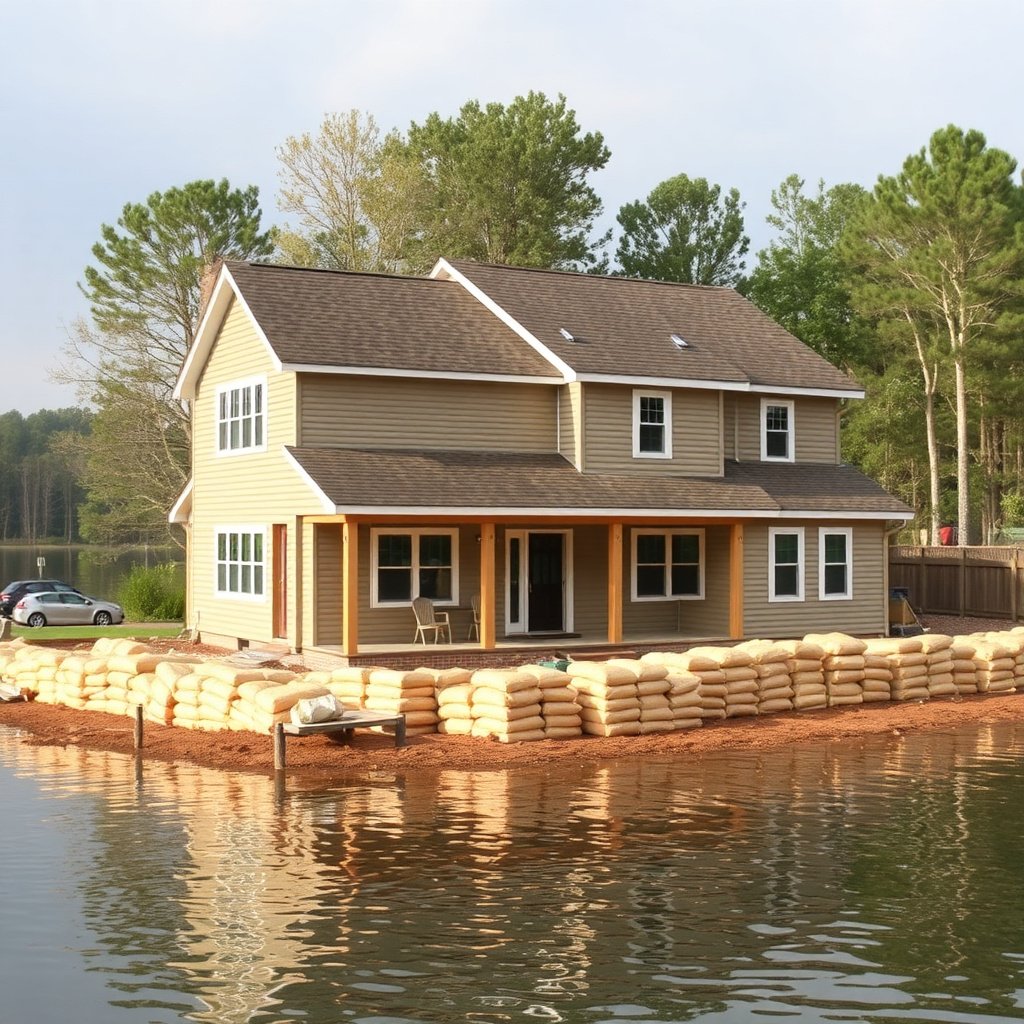
Elevating your lake house above expected flood levels is the most effective way to reduce flood insurance premiums. Installing flood vents, using flood-resistant materials, and sealing foundation cracks also help mitigate damage risks.
Local governments or FEMA sometimes offer grants or incentives for flood mitigation projects, which can make upgrades more affordable and enhance insurance affordability.
- Elevate foundation above Base Flood Elevation
- Install flood vents for water flow
- Use water-resistant construction materials
- Seal cracks and gaps in foundation
For more on this, see our related guide: How to Buy a Lake House for the First Time: A Practical Guide.
Community and Land Management Practices
Communities that implement floodplain management, maintain levees, and promote responsible land use help decrease the overall flood risk, which can reduce insurance premiums for lake houses in those areas.
Participating in local flood awareness programs and supporting sustainable lake management policies can indirectly benefit your flood insurance rates over time.
- Support community floodplain regulations
- Maintain natural barriers like wetlands
- Engage in local flood preparedness initiatives
Claims Process for Flood Insurance on Lake Houses

Documenting Flood Damage Thoroughly
Immediately after flood damage, document all affected areas with photos and detailed notes. Save damaged items and receipts for repairs or replacements. This evidence supports your claim and speeds up processing.
Notify your insurer promptly to report the loss and follow their instructions carefully to avoid delays in settlement.
For official information on government-backed flood insurance, the National Flood Insurance Program website provides detailed guidance. National Flood Insurance Program.
Working with Adjusters and Settling Claims
Insurance adjusters will inspect your lake house to evaluate damage. Keep detailed records of communication and be ready to provide additional documentation if requested. Negotiating fair compensation depends on understanding your policy coverage and limits.
Prompt cooperation and transparent communication with your insurer help achieve a smoother claim settlement process.
Flood Insurance Options for Lake Houses: NFIP vs. Private Providers
Here’s a comparison of key aspects between the National Flood Insurance Program and private flood insurance providers for lake house owners.
| Category | NFIP | Private Flood Insurance | Notes |
|---|---|---|---|
| Coverage Limits | $250,000 structure, $100,000 contents max | Often higher limits available | Private may offer less restrictive coverages |
| Waiting Period | 30 days | Often shorter or no waiting period | Private faster for last-minute coverage |
| Premiums | Standardized, often higher in moderate zones | Varies, sometimes lower with updated risk models | Private may reward mitigation more |
| Claim Process | Standardized nationwide process | Varies by insurer, may be more flexible | Private can vary widely in service |
| Availability | Nationwide in participating communities | Limited by insurer and location | Private may not be available everywhere |
| Government Backed | Yes | No | NFIP provides federal backing and stability |
Frequently Asked Questions
Is flood insurance mandatory for lake houses?
Flood insurance is typically mandatory if your lake house is in a high-risk flood zone and you have a mortgage, but it is optional otherwise. Even outside mandatory zones, coverage is recommended due to flood risk near lakes.
How long does it take to get flood insurance coverage for a lake house?
NFIP policies generally have a 30-day waiting period from purchase to coverage start. Private insurers may offer shorter or immediate coverage depending on the company and policy.
Does standard homeowners insurance cover flood damage at a lake house?
No, standard homeowners insurance usually excludes flood damage. Separate flood insurance policies must be purchased to cover losses from flooding events.
Can I reduce my flood insurance premium for my lake house?
Yes, premiums can be reduced by elevating the home, obtaining an elevation certificate, using flood-resistant materials, and participating in local flood mitigation programs.
What does flood insurance typically cover for lake houses?
Flood insurance generally covers structural damage to the house and optional coverage for personal contents inside. It does not cover damage from high tides or sewer backups without specific endorsements.
Key Takeaways
- Assess your flood risk using flood maps and elevation data before applying.
- NFIP offers accessible policies but private insurers can provide higher coverage limits.
- Flood insurance premiums depend on zone, elevation, construction, and coverage selected.
- Mitigation measures like elevation can lower your lake house flood insurance costs.
Conclusion
Selecting flood insurance for your lake house requires evaluating your property’s specific flood risk, understanding available policy options, and preparing the right documentation such as elevation certificates. Both government-backed NFIP policies and private flood insurance meet different needs; weighing these against your lake property's particulars will lead to the best protection.
For lake house owners in designated high-risk zones, NFIP remains a mandatory and reliable source of coverage with clearly defined limits and costs. However, private flood insurance providers can offer tailored options with potentially higher coverage and shorter waiting periods, suitable for those seeking added security. Incorporating mitigation practices like elevating your home can significantly reduce premiums regardless of the provider.
To protect your waterfront investment effectively, begin by consulting current flood maps, obtain an elevation certificate if possible, and request quotes from multiple sources to compare. Engaging an agent familiar with lake house insurance options streamlines the process and clarifies coverage details. Securing appropriate flood insurance now ensures peace of mind against the financial impacts of flooding near lakes.