How to Buy a Second Home at the Lake: A Complete Guide
Buying a second home at the lake means securing a relaxing retreat where you can unwind and connect with nature. To do this, start by researching the specific lake area, deciding on your budget, and understanding legal requirements and taxes involved in owning lakefront property. Early focus on these key steps will make your purchase smoother.
A lake home offers unique benefits like waterfront access, peaceful surroundings, and potential rental income, but it also comes with special challenges such as seasonal maintenance and environmental regulations. Knowing these factors upfront protects your investment and helps balance enjoyment with responsibility.
This guide will walk you through critical stages, including selecting the right lakefront location, financing your property, navigating inspections and paperwork, and maintaining your home once purchased. By understanding how to buy a second home at the lake, you’ll be ready to find the perfect spot and handle ownership challenges with confidence.
Choosing the Perfect Lakefront Location

Evaluating Lake Size and Water Quality
Lake size affects the lifestyle you’ll enjoy—larger lakes typically allow for boating and water sports, while smaller lakes may offer a quieter, more intimate setting. Water quality is equally important because it impacts swimming, fishing, and overall enjoyment.
Research recent environmental reports and consult local agencies or homeowner associations to assess water cleanliness, algae blooms, and any restrictions on water use. Clean water means fewer health risks and more activities for you and your guests.
Understanding Community and Accessibility
The community surrounding the lake can influence your experience significantly. Some lakes are bustling with vacationers and amenities, while others are more secluded. Consider whether you want proximity to shops, restaurants, and medical facilities or prefer quiet and privacy.
Also, assess road access and seasonal conditions. Some lakes have roads that become difficult to navigate in winter or rainy seasons, impacting year-round use or rental potential.
Financing Your Second Home at the Lake

Mortgage Options for Lakefront Properties
Lenders often treat lakefront homes as second residences or vacation properties, which means down payment requirements and interest rates can differ from primary home mortgages. Expect to put down 10% to 20% or more depending on your credit and the lender’s criteria.
Some specialized loan programs target vacation homes or lakefront properties with flexible terms. Consulting multiple lenders familiar with waterfront real estate can help you find the best option tailored to your financial situation.
Budgeting for Additional Costs
Beyond the purchase price, budget for property taxes, insurance (which may be higher due to flood or wind exposure), utilities, and ongoing maintenance. Lakeside homes may also require investments in docks, erosion control, or septic systems.
Consider whether you want to manage the property yourself or hire a local caretaker, especially if you won’t live there year-round. Factor these expenses into your long-term affordability calculations.
- Property taxes and insurance
- Seasonal maintenance and repairs
- Utility costs for waterfront amenities
- Caretaker or property management fees
Navigating Inspections and Property Evaluation
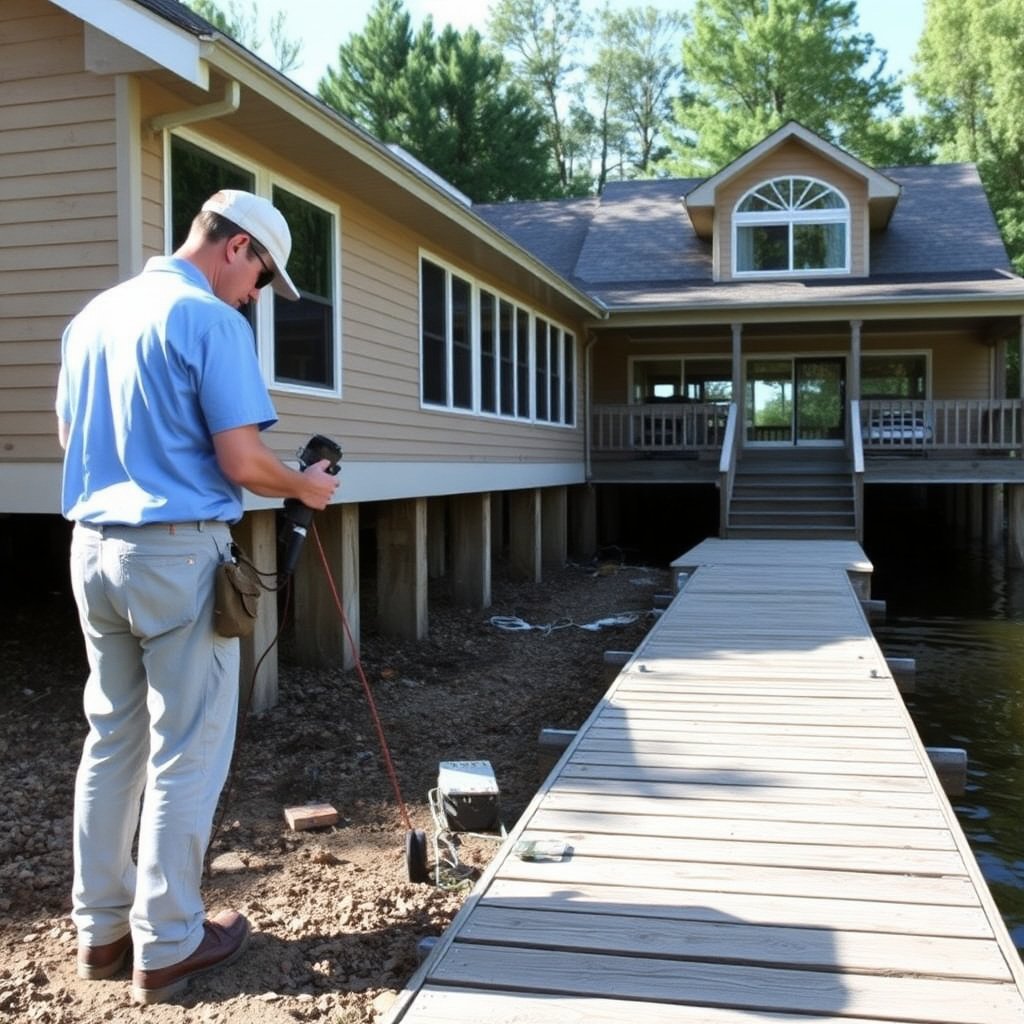
Inspecting Waterfront Features
Waterfront properties require detailed inspection of docks, boatslips, seawalls, and shorelines. Look for structural damage, rot, or erosion that could lead to costly repairs. Verify property boundaries in relation to the waterline and any rights or easements.
Engage inspectors with experience in lake homes who can spot potential problems unique to this environment, such as mold, wood decay, or unstable soil conditions near the water.
For more on this, see our related guide: How to Get a Mortgage for a Vacation Home: A Step-by-Step Guide.
Assessing Home Condition and Utilities
Check the main house for typical concerns: roofing, foundation, plumbing, and electrical systems. Also, consider septic tank condition or if the home is connected to a municipal system, which can vary greatly in lake areas.
Utilities might be less reliable or more costly in remote lake locations. Confirm that internet, water supply, and heating systems meet your needs before finalizing the purchase.
Legal and Environmental Considerations for Lakefront Homes

Understanding Shoreline and Water Rights
Ownership of land adjacent to the water can be complicated by state laws governing shoreline access and riparian rights. Some properties include exclusive dock usage; others must share access or restrict certain activities.
Consult local zoning and environmental regulations to learn about permissible developments, boathouses, dock construction, and limits on vegetation removal. Missteps here can lead to legal disputes or fines.
Environmental Protection Rules to Follow
Many lakes fall under protections to preserve water quality and wildlife. These regulations may limit the use of fertilizers, mandate septic inspections, or restrict building near the shore.
Awareness of these protections helps avoid violations and supports long-term preservation of the lake environment, which benefits all property owners and visitors.
Managing Property and Maintenance Challenges

Seasonal Maintenance for Lake Homes
Lake houses often demand intense seasonal upkeep, including winterizing plumbing to prevent freeze damage and clearing debris from docks and shorelines after storms. Attention to landscaping also controls erosion and sediment runoff.
Regular inspection of roof shingles and gutters is necessary due to fluctuating lake weather conditions. These tasks help preserve home value and prevent unexpected repair costs.
- Winterizing and spring startup
- Dock and shoreline maintenance
- Landscaping for erosion control
For more on this, see our related guide: How to Buy a Lake House for the First Time: A Practical Guide.
Hiring Property Management Services
If you don’t plan to visit year-round, local property managers provide security checks, maintenance coordination, and rental services to protect your investment and generate income when the home is unused.
Hiring a reputable firm experienced with lakefront properties ensures that upkeep and guest management are handled professionally, reducing your stress and maximizing enjoyment of your second home.
Maximizing Your Investment and Enjoyment
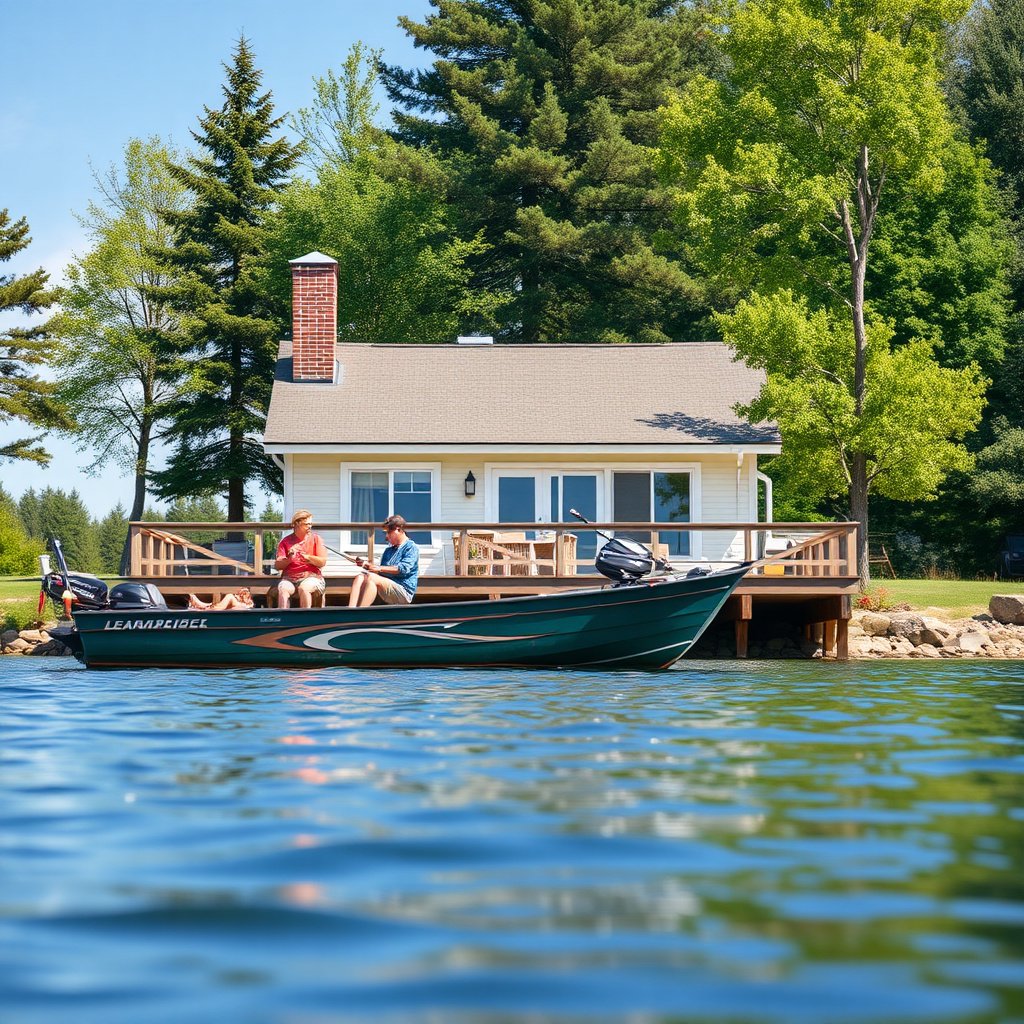
Using Your Second Home for Vacations and Rentals
Many lakefront owners offset costs by renting their homes when not in residence. Demand for lake vacation rentals is strong in summer months, but rules and taxes apply. Always comply with local short-term rental laws.
Balancing personal use with rental income requires careful scheduling and maintenance planning. Some owners hire property managers to coordinate stays and cleanings efficiently.
For a broader understanding of lake houses and their role in recreation and lifestyle, see this Wikipedia article about lake house ownership. lake house ownership on Wikipedia.
Enhancing Property Value Over Time
Upgrades like improved docks, energy-efficient windows, and landscaping can boost resale value and year-round comfort. Choose enhancements compatible with the lake environment and local regulations.
Retrofitting for smart home technology or solar power can reduce operational costs and appeal to renters who want modern conveniences alongside natural beauty.
- Dock renovations
- Energy-efficient home improvements
- Smart home and solar installations
Lakefront Property Buying Options Comparison
Explore different types of lakefront properties to understand their benefits, costs, and ideal buyer profiles.
| Property Type | Price Range | Maintenance Level | Privacy | Rental Potential |
|---|---|---|---|---|
| Small Cabin | $100,000 – $250,000 | Moderate | High | Moderate |
| Single-Family Lake House | $300,000 – $800,000 | High | Moderate | High |
| Condo or Townhouse by the Lake | $200,000 – $500,000 | Low | Low | Moderate |
| Luxury Lakefront Villa | $1,000,000+ | Very High | Very High | High |
| Land for Custom Build | $50,000 – $400,000 | Variable | Variable | Variable |
Frequently Asked Questions
What are common financing requirements for a lakefront second home?
Lenders usually require higher down payments (10%-20%) and may charge slightly higher interest rates for second homes, including lakefront properties. Proof of income stability and good credit are essential.
Are there special inspections needed for lake homes?
Yes, inspections should include evaluating docks, seawalls, shoreline erosion, and septic systems, in addition to routine home inspections, to fully assess lake-specific risks and maintenance needs.
Can I rent out my second home at the lake to generate income?
Many owners rent their lake homes seasonally, but this depends on local laws and HOA regulations. Renting can offset expenses but requires management and compliance with tax and safety rules.
How does owning a lake home affect property insurance?
Insurance for lakefront homes tends to be more expensive due to risks like flooding and wind damage. Specialized policies or endorsements are often needed to cover waterfront structures.
What maintenance challenges are unique to lakefront homes?
Lake homes face challenges like erosion control, dock repairs, winterizing pipes to prevent freeze damage, and managing algae or invasive plants, requiring ongoing attention.
Key Takeaways
- Focus on location, water quality, and community when choosing a lakefront property.
- Financing a second lake home often involves higher down payments and additional costs.
- Thorough inspections must include waterfront structures and environmental factors.
- Ongoing maintenance and understanding legal rules are essential for successful ownership.
Conclusion
Buying a second home at the lake means combining your desire for a personal retreat with the practical realities of waterfront ownership. Balancing lifestyle preferences with financial and environmental responsibilities helps you make an informed decision. Taking the time to learn about lake size, water quality, community access, and legal nuances ensures you choose a property that fits your needs and protects your investment.
If your priority is active water sports and social activities, a larger lake house with ample amenities might be ideal, while peace seekers may prefer a smaller cabin on a less trafficked lake. Financing plans should realistically cover purchase costs plus maintenance and insurance. Considering property management services can ease the burden if you don’t visit year-round. Each choice shapes how much pleasure and return you derive from your purchase.
Start by researching specific lakes that match your lifestyle goals and visiting potential homes in different seasons. Consult lenders, local experts, and inspectors who specialize in lakefront properties. Ultimately, a thoughtful approach equips you to acquire a lake home that becomes both a sanctuary and a smart asset.




2 Comments