What Is a Lake Lot? Understanding the Basics and Benefits
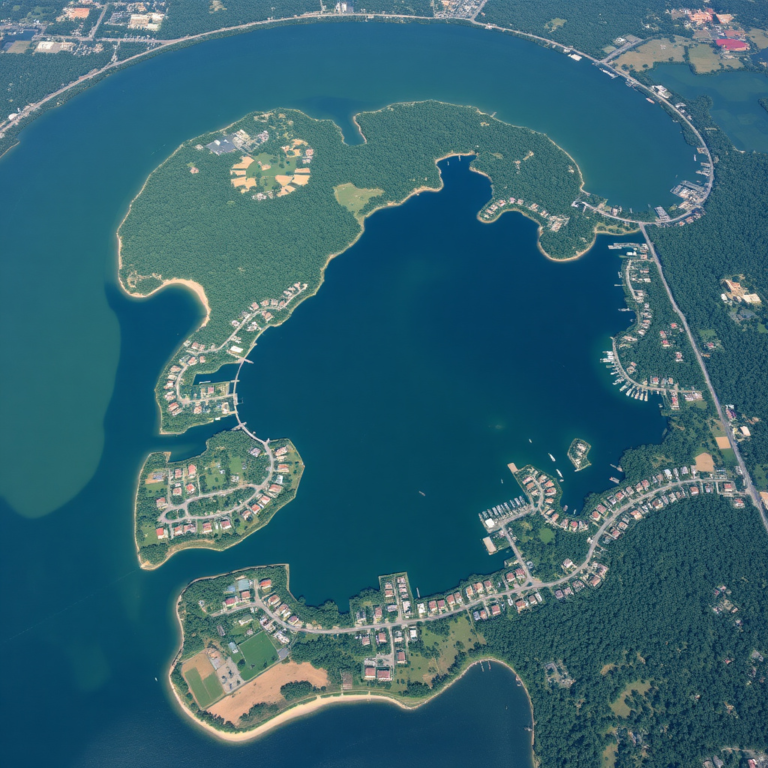
A lake lot is a plot of land directly adjacent to or near a lake, often offering private access to the water and scenic views. These lots provide unique opportunities for building homes, vacation cabins, or recreational spaces with immediate lake access.
Owning a lake lot is appealing because it combines natural beauty with recreational benefits like boating, fishing, and swimming. The ambiance and privacy of lakefront living are major draws for buyers seeking peaceful and picturesque surroundings.
This article explains what defines a lake lot, what to look for when considering one, the advantages and potential drawbacks, and tips for making an informed purchase to maximize enjoyment and value.
Features That Define a Lake Lot
Proximity to Water and Shoreline Access
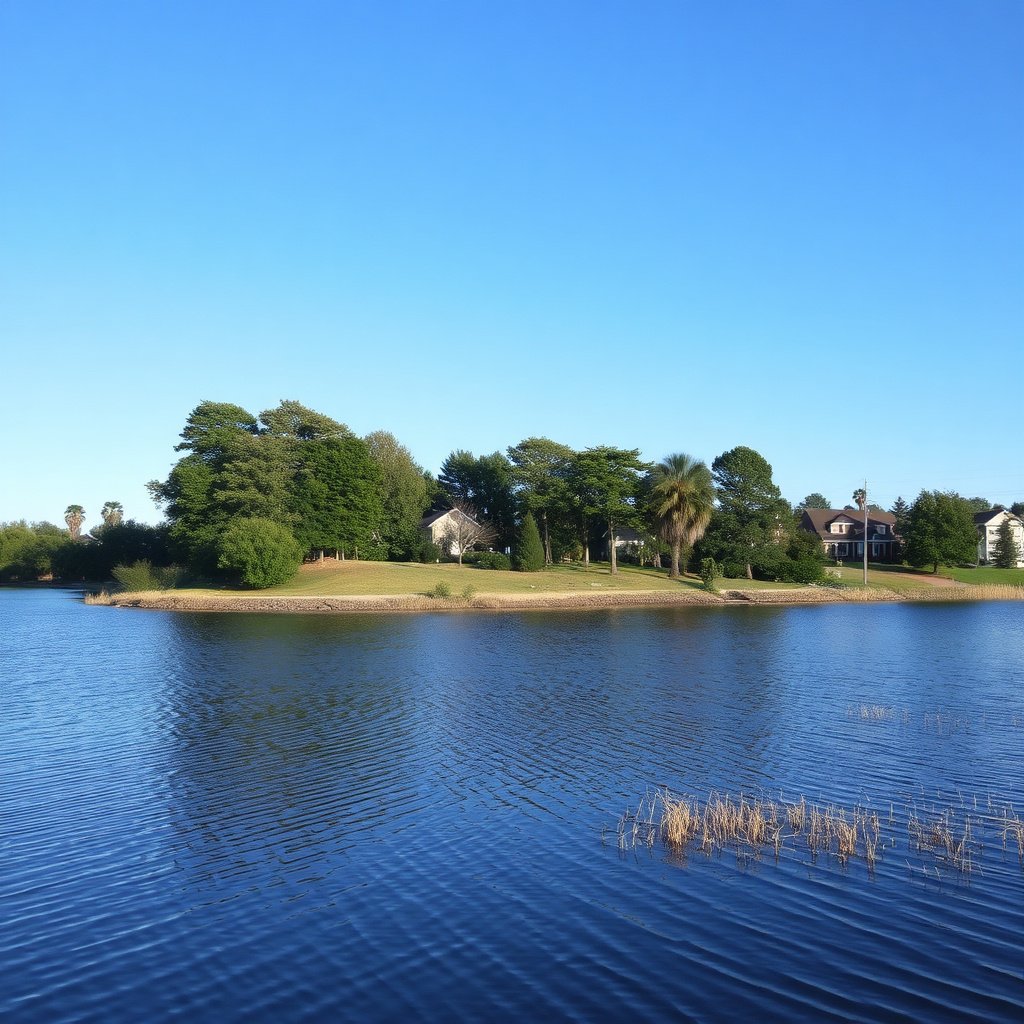
The primary feature setting lake lots apart is their location directly next to a lake’s shoreline or within a very short distance. These lots typically offer private or shared lake access, essential for water-related activities and picturesque lake views.
Ownership often includes a strip of land along the water, which generally provides homeowners the right to install docks, beaches, or boat launches depending on local regulations. Ensuring legal water access is a top priority for buyers.
- Direct shoreline frontage
- Private or community dock access
- Water rights or easements
- Potential beach or waterfront landscaping
Lot Size and Terrain Characteristics
Lake lots can vary widely in size, from small parcels meant for cottages to expansive properties accommodating luxury homes with large yards. Terrain can range from flat grassy areas to wooded slopes or rocky shores.
Understanding the topography helps with planning construction, landscaping, and erosion control. Many buyers prefer gently sloping lots that allow easy lake access and accommodate structures without significant grading.
- Size ranges from under one acre to multiple acres
- Flat, sloping, or wooded terrain
- Drainage and erosion considerations
- Vegetation and natural landscape features
Advantages of Owning a Lake Lot

Recreational and Lifestyle Benefits
A key advantage of a lake lot is direct access to outdoor recreational opportunities such as boating, fishing, kayaking, and swimming. This access enriches lifestyle with endless leisure options right at your doorstep.
Lakefront properties often provide tranquil surroundings and scenic views, appealing to those wanting a peaceful retreat, weekend getaway home, or year-round residence immersed in nature.
- Water sports like kayaking and canoeing
- Fishing and swimming access
- Peaceful natural surroundings
- Opportunities for outdoor entertaining
Investment and Resale Potential
Lake lots tend to retain or increase their value due to their desirable location and limited supply. Waterfront properties generally attract higher demand, enhancing resale potential in many markets.
Choosing a lake lot with good access, quality surroundings, and nearby amenities can lead to strong long-term appreciation and potential rental income if used as a vacation property.
- Strong demand for waterfront homes
- Limited supply increases value
- Potential for vacation rental income
- Good location and amenities boost appeal
Important Factors When Buying a Lake Lot

Zoning, Building Restrictions, and Permits
Local zoning rules often regulate lake lot development, including setbacks from water, maximum building sizes, and allowable uses. Understanding these limitations before purchase avoids surprises during construction or renovation.
Some lakes have environmental regulations limiting landscaping, septic systems, or dock installations to protect water quality. Buyers should obtain all necessary permits and clarify regulations early in the process.
- Setbacks from shoreline and wetlands
- Restrictions on dock and pier construction
- Environmental protection ordinances
- Building permits and approval processes
Water Quality and Lake Conditions
Water clarity, pollution levels, and fish populations affect enjoyment and property value. Researching lake health through environmental reports or local authorities helps buyers understand seasonal changes or risks.
Some lakes experience algae blooms, silt buildup, or invasive species which can impact recreation and long-term water quality. Confirming lake management practices is advisable.
- Regular water quality monitoring
- Presence of algae or invasive species
- Seasonal water level fluctuations
- Access to lake maintenance programs
Assessing Infrastructure and Utilities on Lake Lots

Access Roads and Transportation
Reliable road access is essential for year-round use of lake lots, especially in rural areas. Check road maintenance, whether it’s paved or gravel, and if access is shared or private.
Snow removal or seasonal closures may affect accessibility. Consider proximity to main roads, emergency services, and local amenities when evaluating a lake lot’s suitability.
- Public vs private road access
- Condition and maintenance of roads
- Distance to nearest towns or services
- Seasonal accessibility considerations
Utilities: Water, Electricity, and Waste Management
Water supply options include connection to municipal systems, wells, or cisterns. Electricity availability varies; some lots require off-grid solutions like solar panels or generators.
Sewage disposal often relies on septic systems, which must meet local codes and site evaluations. Verifying existing or feasible utility connections is critical for comfortable living.
- Municipal water vs private wells
- Electric grid access or alternatives
- Septic system requirements and permits
- Internet and phone service availability
Maintenance and Seasonal Considerations for Lake Lots

Shoreline and Dock Upkeep
Shorelines require erosion control, especially on properties exposed to wind and waves. Owners may need to install retaining walls, riprap, or natural vegetation buffers.
Dock maintenance involves regular inspections, repairs, and seasonal removal or winterizing in cold climates. Proper care ensures safety and compliance with local regulations.
- Erosion prevention methods
- Seasonal dock installation and removal
- Permits needed for shoreline work
- Cost considerations for upkeep
Seasonal Weather Impacts and Preparedness
Winter freeze-thaw cycles can damage structures and roads, while heavy rains may cause flooding or mudslides. Owners must prepare with appropriate drainage and robustness in construction.
Seasonal visitation patterns may affect security and maintenance scheduling. Being aware of local weather trends helps owners plan improvements and emergency responses.
- Winterization of water and plumbing systems
- Flood risk management
- Seasonal pests and wildlife activity
- Weather-related insurance coverage
Understanding Market Trends for Lake Lots

Current Demand and Pricing Influences
Lake lots have seen growing interest as more people seek outdoor recreation and remote living options. Prices vary by lake size, location, amenities, and economic factors affecting regional real estate.
Economic downturns or increased interest rates can cool demand short term, but long term, desirable waterfront properties tend to hold value better than other land types.
- Influence of local economy and tourism
- Impact of lake size and amenities
- Seasonal market fluctuations
- Effects of zoning changes on prices
For a more technical explanation of lake frontage and related property concepts, see this resource on lake lot definition and details. lake lot definition and details.
Forecasting Future Value and Development Potential
Potential growth in nearby infrastructure or community development may increase a lake lot’s value. Conversely, environmental restrictions or overdevelopment can limit upside.
Evaluating long-term plans for the area including public access, conservation efforts, and real estate trends helps buyers make informed investment decisions.
- Nearby planned infrastructure projects
- Environmental protection zones
- Residential or commercial development plans
- Historic appreciation rates of similar lots
Lake Lot Types Comparison
This table compares various lake lot categories highlighting key characteristics for buyers.
| Type | Size Range | Typical Terrain | Access Level | Price Range |
|---|---|---|---|---|
| Small Cottage Lot | 0.1 – 0.5 acres | Flat to gentle slope | Private shoreline | $50,000 – $150,000 |
| Family Residential Lot | 0.5 – 2 acres | Mixed terrain | Direct lake access | $150,000 – $400,000 |
| Luxury Waterfront Estate | 2+ acres | Wooded and landscaped | Private dock and beach | $500,000+ |
| Shared Community Lot | Varies | Varies | Shared docks and access | $30,000 – $100,000 |
| Remote Rustic Lot | 1+ acres | Wooded, uneven | Limited access roads | $20,000 – $80,000 |
Frequently Asked Questions
Can I build any type of home on a lake lot?
Building on a lake lot depends on local zoning laws and environmental regulations, which typically restrict size, style, and positioning to protect the shoreline and water quality.
Are lake lots always more expensive than inland lots?
Generally, lake lots cost more due to their desirable location and limited supply, but prices vary widely based on lake size, accessibility, and surrounding amenities.
Is a dock included with a lake lot purchase?
Not always. Some properties include docks, but others may require permit applications and additional costs to build or install one after purchase.
What maintenance does a lake lot require?
Maintenance includes shoreline erosion control, dock upkeep, septic system care, and seasonal weather preparation to preserve property value and usability.
Do lake lots come with guaranteed water access?
Water access depends on property boundaries and legal easements. Confirming access rights is essential before buying to avoid future disputes.
Key Takeaways
- A lake lot is defined by direct or close proximity to lake water with access rights.
- Recreational lifestyle and investment potential make lake lots attractive.
- Understanding zoning, environmental factors, and utilities is essential before buying.
- Maintenance and seasonal considerations impact long-term enjoyment and costs.
Conclusion
When deciding on a lake lot, focus on balancing location, access, and regulations with your lifestyle goals. Careful evaluation of shoreline rights, zoning restrictions, and lake conditions helps avoid costly mistakes and ensures long-term satisfaction with your investment. The unique natural setting of a lake lot offers a blend of scenery and outdoor activity that many find rewarding.
If recreational use is your priority, consider smaller cottage lots with direct private access for ease and affordability. Families seeking year-round homes often prefer larger residential lots offering space and better infrastructure. For those interested in premium living or investment, luxury estates with extensive amenities and private docks provide exceptional value. Meanwhile, community-shared lots may suit buyers looking for lower costs and social benefits.
Taking the next step involves visiting potential properties, conducting lake and land inspections, and consulting with local experts on regulations and environmental factors. By researching thoroughly, you position yourself to enjoy waterfront living to its fullest. Owning a lake lot brings the joy of nature, water activities, and relaxation that few other properties can match.