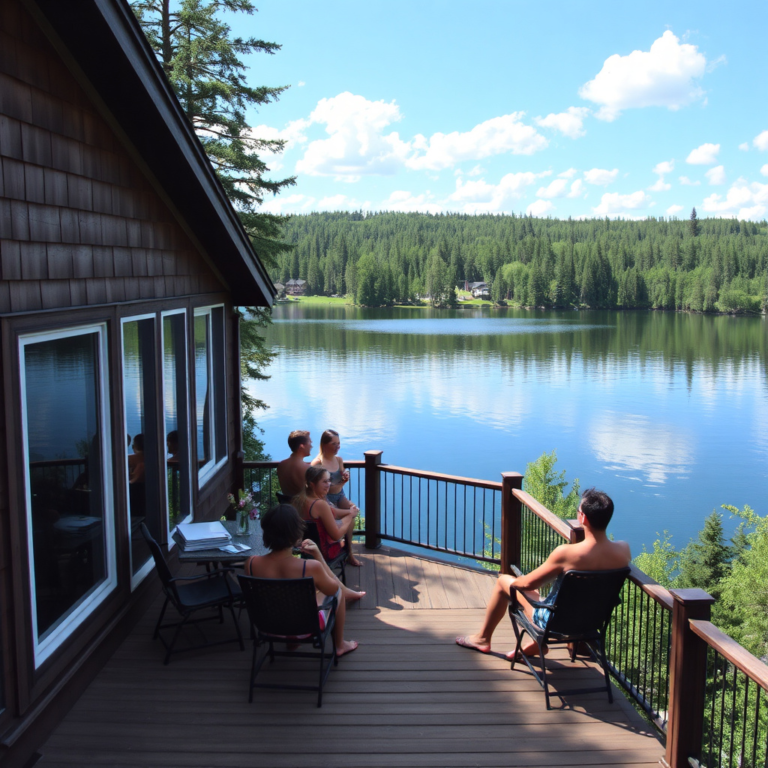
How to Buy a Lake House with a Mortgage: A Complete Guide for Buyers
Buying a lake house with a mortgage involves securing financing that fits both your credit profile and the unique nature of waterfront properties. Unlike standard home purchases, you’ll often need a larger down payment, and lenders may require specific appraisals or proof of income to approve your mortgage. Understanding these requirements upfront can help you navigate the process more smoothly.
Lake houses carry unique challenges in mortgage qualification, such as limited comparable sales and concerns over property maintenance near water. These factors make financing a waterfront home more complex but manageable with the right preparation. Knowing what lenders expect and how to present your application can increase your chances of approval.
This article breaks down the key steps to buy a lake house with a mortgage, including how to evaluate properties, choose loan types, qualify for financing, and handle inspections and appraisals. You’ll also learn about common mortgage options and how to prepare financially for this significant purchase.
Understanding Lake House Mortgage Basics

What Makes Lake House Mortgages Different
Lake houses often come with additional lender scrutiny because they are considered secondary or vacation homes. Lenders view these properties as higher risk than primary residences due to market liquidity and variable upkeep costs. This affects down payment requirements and loan terms.
Additionally, lake house mortgages may require higher interest rates and stricter credit score minimums. Knowing these differences in advance helps you select suitable mortgage products and prepare a stronger loan application.
Typical Mortgage Requirements for Waterfront Homes
Most lenders require at least a 20% down payment when financing lake houses, sometimes higher if the property is in a high-risk flood zone. Proof of steady income, low debt-to-income ratio, and a good credit score are also critical for loan approval.
Waterfront properties usually need specialized home inspections and appraisals that account for environmental factors like erosion risk, flood history, and maintenance needs. These affect the loan underwriting process and final loan approval.
How to Choose the Right Lake House

Location and Accessibility Factors
Consider how close the lake house is to essential services such as grocery stores, hospitals, and schools if applicable. Also, check if the property is accessible year-round. Seasonal roads or limited access during certain weather can affect the property's desirability and resale value.
Nearby lake activities and restrictions on watercraft use also impact enjoyment and property value. Research local regulations to see if you can use boats, jet skis, or fishing equipment on the lake.
Evaluating Property Condition and Upkeep
Waterfront properties can face unique maintenance challenges such as humidity-related decay, pest control, and foundation concerns. A thorough home inspection specialized in waterfront homes will reveal critical repairs or preventive measures needed.
Evaluate the dock, shoreline condition, and any existing erosion controls. These features influence both lifestyle enjoyment and insurance costs.
Mortgage Options for Buying a Lake House
Conventional Loans for Lake Homes
Conventional loans are often the preferred choice for lake house buyers with strong credit and stable income. These loans typically require higher down payments and have stricter underwriting criteria but offer competitive interest rates.
Because lake houses are usually secondary residences, you might not qualify for lower down payment options like FHA loans under this category. Conventional loans provide flexibility in loan terms and faster closings.
For more on this, see our related guide: Why Lake Houses Are a Good Investment for Your Financial Future.
Government-backed and Specialty Loans
Certain government programs can assist buyers in unique circumstances, but lake houses rarely qualify for FHA loans due to their classification as vacation homes. USDA loans are not applicable because they require primary residence in rural areas.
Some lenders offer specialty financing that accounts for waterfront property risks, but these can carry higher costs or unusual conditions. It’s important to shop around for lenders who are experienced with financing waterfront real estate.
Preparing Financially to Buy a Lake House with a Mortgage
Budgeting for Down Payment and Additional Costs
Expect to pay at least 20% down on a lake house mortgage, with some lenders requiring up to 25% or more. Beyond the down payment, budget for closing costs, which can include title insurance, appraisal fees, and environmental inspections.
There may also be homeowner association fees and higher insurance premiums, especially flood insurance, which are critical considerations in your total monthly payments and upfront costs.
Getting Pre-Approved to Strengthen Your Offer
Obtaining pre-approval from your lender before house hunting can give you an edge in competitive lake house markets. A pre-approval letter shows sellers you’re a serious buyer with verified financial backing.
This process involves providing your financial documentation, credit check, and a preliminary review of your debt-to-income ratio. Aim to complete pre-approval early to avoid delays once you find your ideal property.
Navigating Inspections, Appraisals, and Insurance
Specialized Inspections for Lake Houses
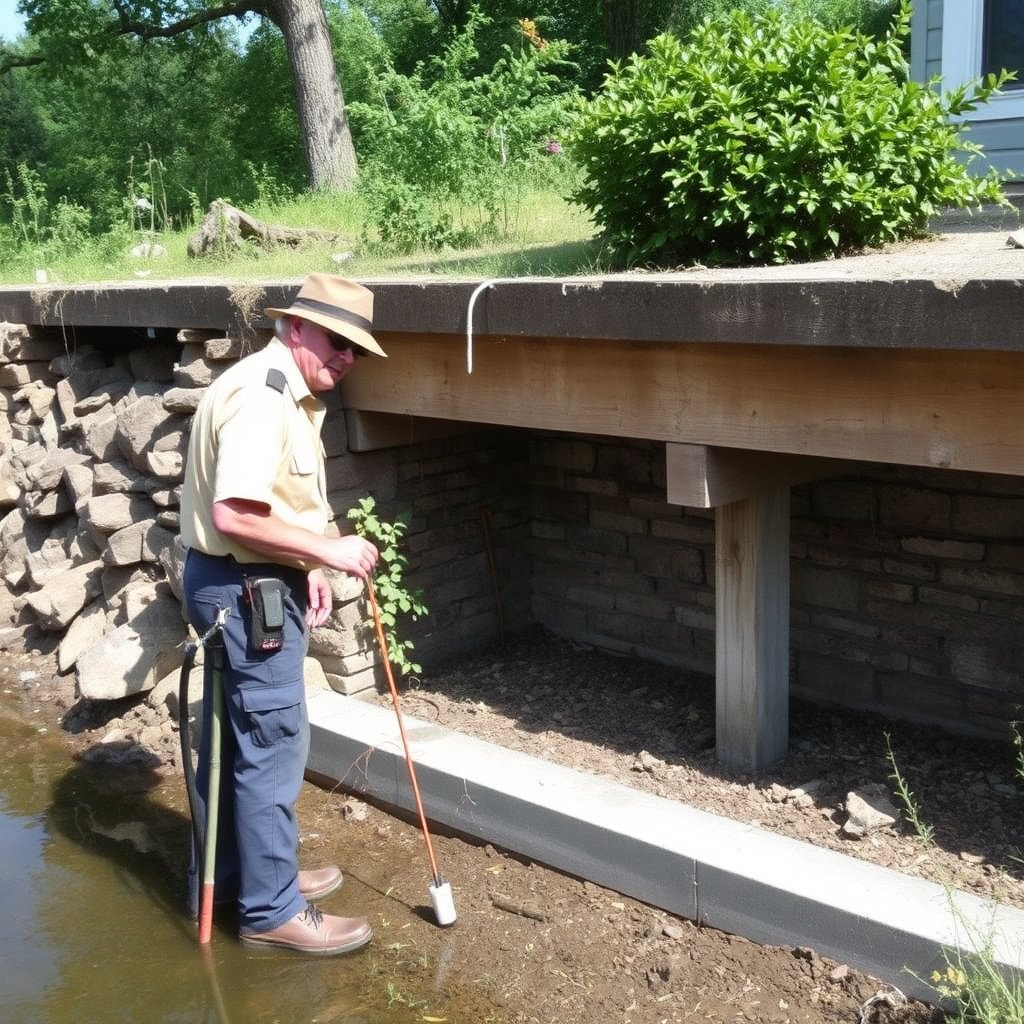
Inspections for lake houses often extend beyond standard home checks to evaluate shoreline stability, dock condition, septic system efficiency, and potential flood risk. These elements can affect property value and safety.
Ensure your inspector is familiar with waterfront properties to identify issues invisible in normal inspections, helping you avoid surprises after purchase.
For more on this, see our related guide: What Is Title Insurance and Why It Matters for Property Buyers.
Appraisal and Insurance Challenges
Appraisers for lake houses account for limited comparable sales, environmental risks, and usage limitations. Sometimes this results in lower appraisals, which can affect loan approval or require a larger down payment.
Homeowners insurance for lake property frequently costs more due to flood, wind, or water damage risks. Flood insurance is often mandatory if the property is in a designated flood zone.
Closing the Deal and Post-Purchase Considerations
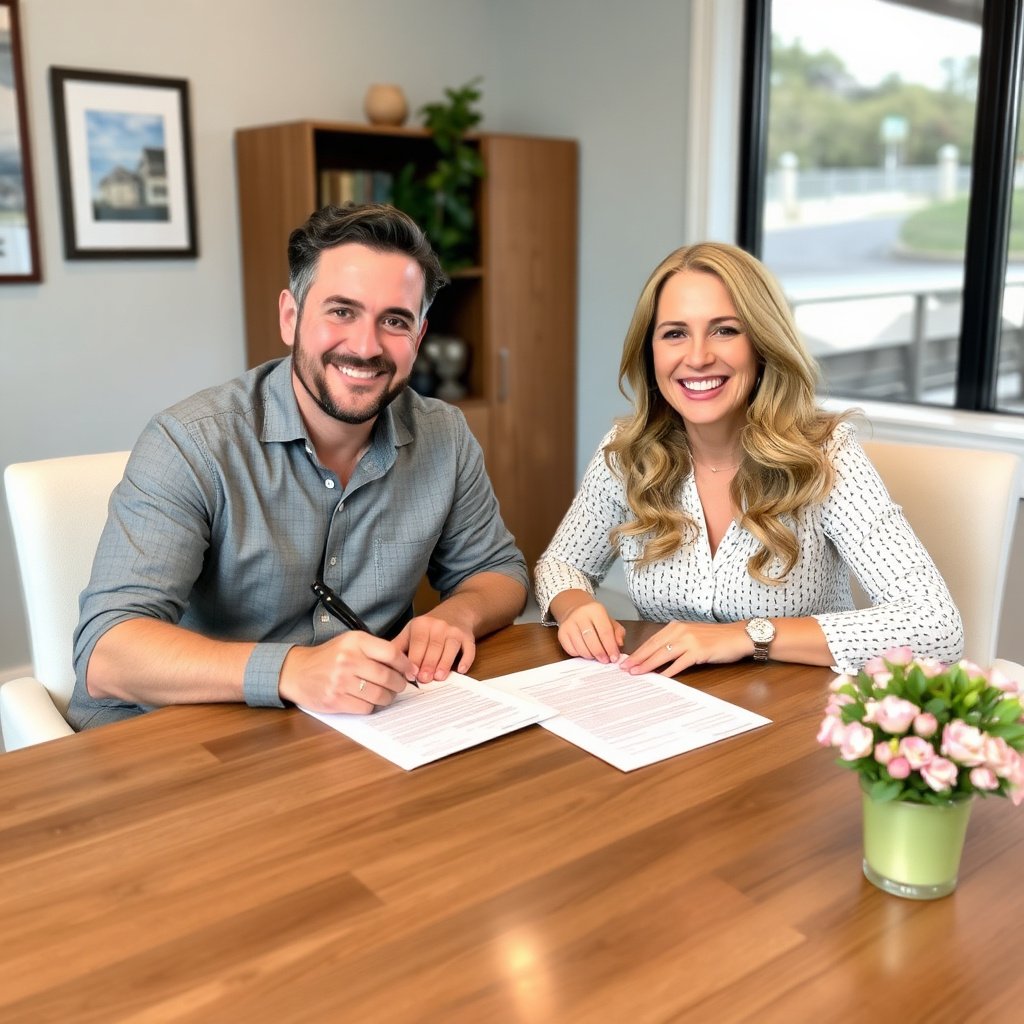
Completing the Purchase Process
After your loan is approved and inspections satisfactory, the closing process finalizes ownership transfer. Prepare to sign multiple documents and pay closing costs at this stage.
Review all paperwork carefully, and ensure your mortgage terms, interest rate, and escrow arrangements match your expectations before signing.
To learn more about financing home purchases, including second homes like lake houses, the Consumer Financial Protection Bureau offers useful resources on lake house financing basics. Lake house financing basics.
Managing Your Lake House After Purchase
Lake houses often require ongoing maintenance, especially for docks, water access areas, and yard landscaping. Planning for routine upkeep helps preserve the property's value and usability.
Also, consider if you’ll rent the lake house when you’re not using it; this requires compliance with local regulations and coordination with management services.
Types of Mortgages for Lake Houses Compared
Here’s a breakdown of common mortgage options for lake houses, highlighting down payments, interest rates, and typical requirements.
| Mortgage Type | Down Payment | Interest Rate | Loan Terms | Qualifying Criteria |
|---|---|---|---|---|
| Conventional Loan | 20-25% | 3.5%-5% | 10-30 years | Good credit, stable income |
| FHA Loan | 3.5% | Lower | 15-30 years | Primary residence only, usually not for lake houses |
| VA Loan | 0% | Competitive | 15-30 years | Veterans only, primary residence |
| Specialty Waterfront Loans | 25%+ | Higher | Varies | Lender specific, often stricter credit |
| Jumbo Loan | 20-30% | Slightly higher | 10-30 years | For high-value properties |
Frequently Asked Questions
Can I get an FHA loan to buy a lake house?
FHA loans are typically designed for primary residences and generally do not apply to vacation or lake houses, which are often classified as secondary homes.
How much down payment is usually required for a lake house mortgage?
Most lenders require at least a 20% down payment on lake house mortgages, but this can be higher depending on the property's location, condition, and lender policies.
What special inspections are needed for a lake house?
Waterfront properties often require additional inspections focused on shoreline condition, dock safety, flood risk, and septic system integrity to assess unique environmental factors.
Is flood insurance mandatory for lake house owners?
If the lake house is located within a designated flood zone, flood insurance is generally required by lenders and is advisable to protect against water damage.
Are interest rates higher for lake house mortgages?
Lenders may charge higher interest rates on lake house mortgages compared to primary residences due to perceived risks related to location and property type.
Key Takeaways
- Lake house mortgages usually require larger down payments and stricter qualifications.
- Specialized inspections and appraisals are critical when buying waterfront properties.
- Conventional loans are the most common financing option for lake houses.
- Budget carefully for additional insurance and maintenance costs unique to lake homes.
Conclusion
Approaching the purchase of a lake house with a mortgage requires balancing your financial readiness with an understanding of waterfront property specifics. The main keyword helps underline the critical role mortgage qualification and loan type selection play throughout the buying process. Evaluating lender requirements early, factoring in specialized inspections, and preparing your finances give you the best shot at a favorable mortgage and a smooth purchase.
Buyers with strong credit profiles and consistent income will find conventional loans the most straightforward route when financing a lake house. If you seek flexibility in down payment or are unsure about eligibility, comparing specialty loans or consulting lenders experienced in financing waterfront homes can be invaluable. Selecting the right mortgage product depends on your financial situation and the unique circumstances of the lake property you desire.
Once you identify your financing approach, getting pre-approved and carefully reviewing the property inspection results will safeguard your investment. The final step involves managing ongoing property maintenance and insurance to protect your lake house over time. Understanding how to buy a lake house with a mortgage is not just about the loan—it is about making an informed, thoughtful decision for a rewarding lakeside lifestyle.