What Is a Closing Cost? Understanding Closing Costs in Real Estate
A closing cost is a set of fees and expenses that buyers and sellers incur to finalize a real estate transaction, separate from the property’s purchase price. These costs cover various services required to transfer ownership, typically including lender fees, title insurance, escrow charges, and taxes.
Closing costs matter because they can add thousands of dollars to the total expense when buying or selling a home. Understanding these fees helps buyers and sellers budget accurately and avoid surprises at settlement. These costs vary by location, property type, and loan structure.
This article will explain the main types of closing costs, who typically pays them, and strategies to reduce or manage these fees. By breaking down closing costs clearly, you'll be better prepared for your next real estate transaction.
Breaking Down Closing Cost Components
Common Buyer Closing Costs
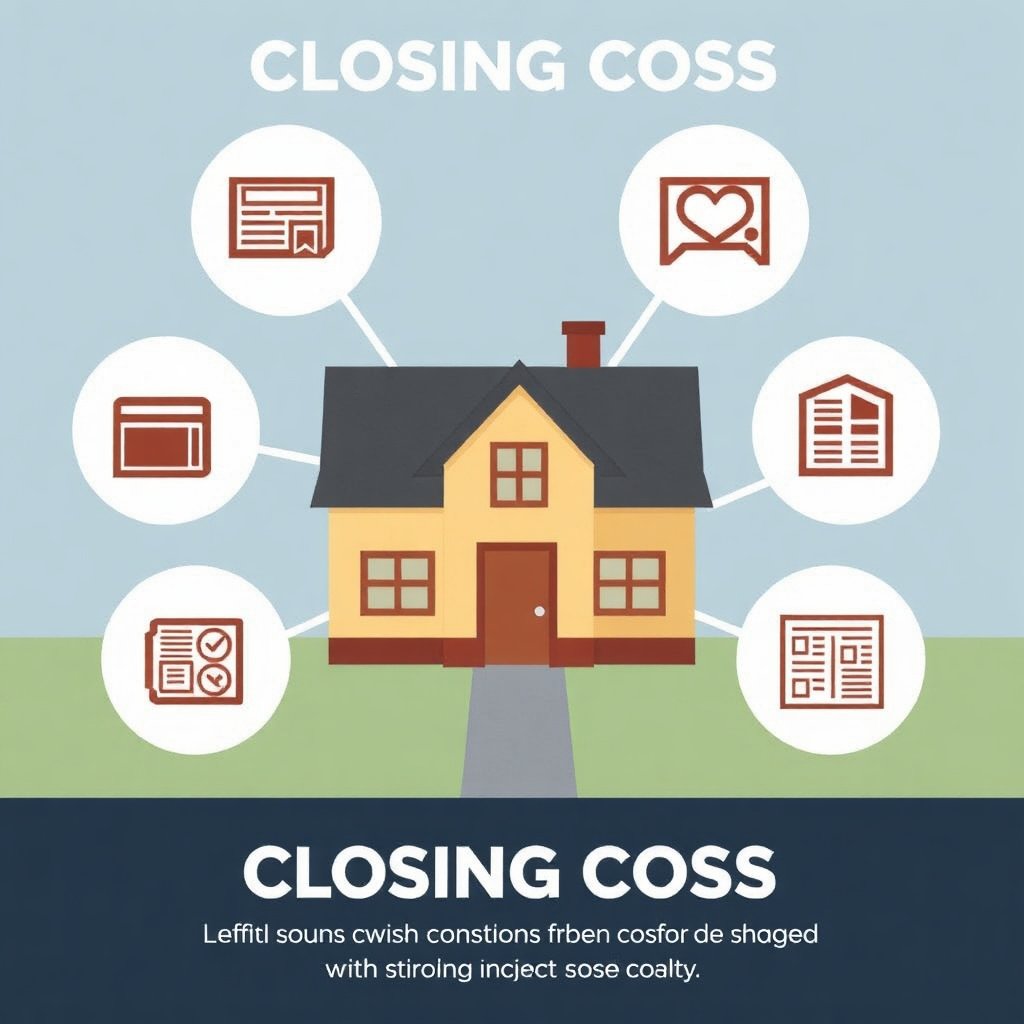
Buyers usually face several mandatory closing costs such as loan origination fees, appraisal fees, credit report charges, and lender’s title insurance. Additionally, prepaid items like property taxes and homeowner’s insurance premiums can apply upfront.
Some closing costs are negotiable between the buyer and seller in the purchase agreement, but typically buyers must cover fees that relate directly to securing financing and verifying the property’s condition.
- Loan origination fee
- Appraisal fee
- Credit report fee
- Title insurance
- Prepaid taxes and insurance
Typical Seller Closing Costs
Sellers usually pay fees associated with the title search, title insurance (often for the buyer’s lender), real estate agent commissions, and any outstanding property taxes or liens. These can vary widely depending on local customs and the sale contract’s terms.
While some seller costs are fixed percentages, such as agent commissions, others depend on service providers and local regulations. Knowing these fees ahead helps sellers plan the net proceeds from the sale.
- Real estate agent commissions
- Title search and insurance
- Outstanding taxes and liens
- Home warranty fees
How Closing Costs Affect Your Real Estate Transaction

Impact on Homebuyers
Closing costs can increase the cash needed to complete a home purchase substantially beyond the down payment. Often, buyers budget only for the purchase price and down payment, leaving closing costs overlooked until settlement day.
Financing closing costs within a mortgage or negotiating seller concessions can lessen immediate out-of-pocket expenses, but might increase monthly payments or total interest paid over time.
- Additional upfront cash needed
- Opportunity to finance costs
- Potential for seller concessions
Impact on Sellers
Sellers need to subtract closing costs from their final proceeds, which can affect how much they net from the sale and influence their expectations and timing for moving or purchasing another home.
Awareness of estimated closing costs early in the sales process can help sellers price their home competitively while factoring in fees and commissions.
- Reduced final proceeds
- Influence on sale negotiations
- Planning for moving expenses
Methods to Estimate and Manage Closing Costs
Using Closing Cost Calculators
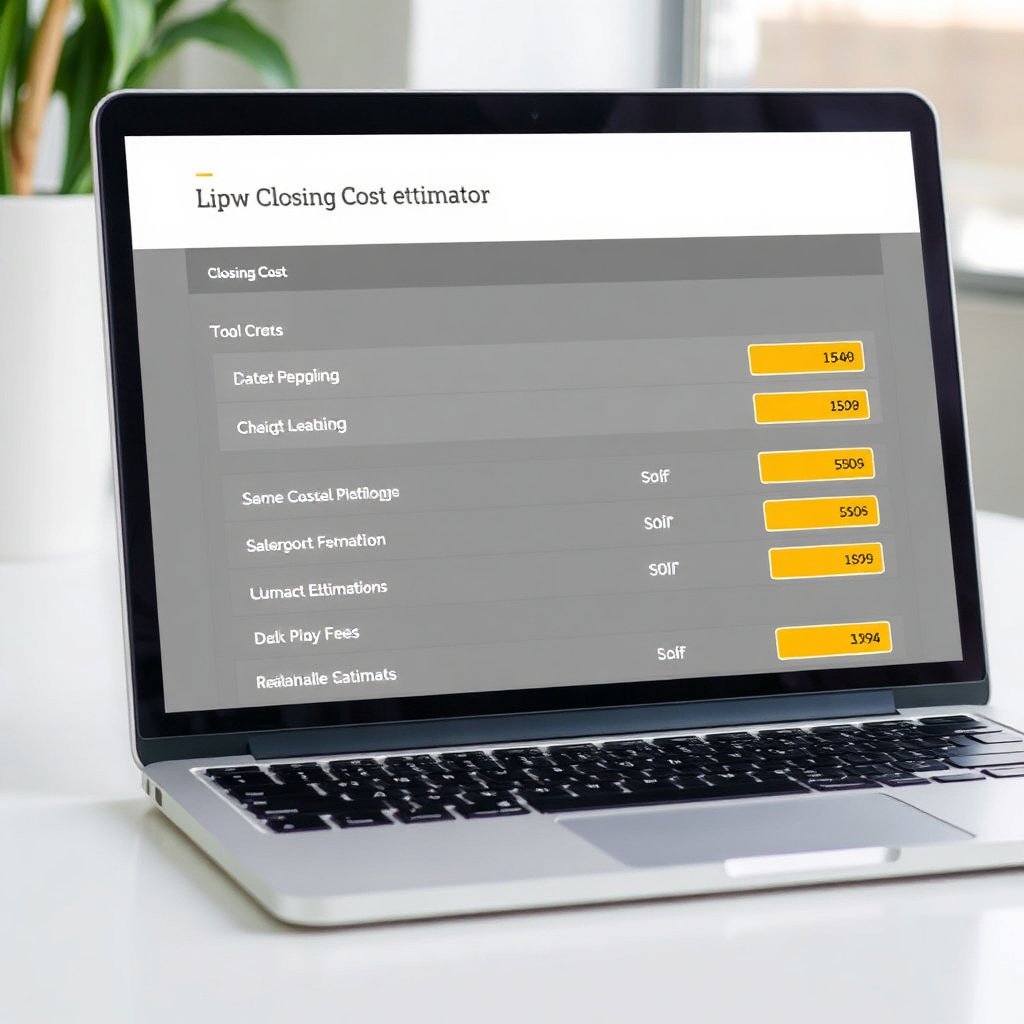
Online closing cost calculators provide an estimate by inputting purchase price, loan details, and location. These tools help buyers and sellers anticipate total fees early during the buying or selling process.
Although estimates vary, calculators are useful guides. Real estate agents and lenders can also provide tailored estimates reflecting local costs and loan structures.
- Input purchase price and loan info
- Adjust for state and county fees
- Estimate taxes and insurance charges
For more on this, see our related guide: What Is the Average Closing Cost? A Detailed Homebuyer’s Guide.
Negotiating and Reducing Fees
Some closing costs can be negotiated or shopped around, such as lender fees, title insurance, or inspection charges. Comparing service providers and requesting fee waivers can reduce expenses.
Buyers can also ask sellers for concessions to cover part of closing costs, especially in a buyer’s market or if the home needs repairs.
- Compare lender fees
- Shop for title services
- Request seller concessions
- Bundle discounts where possible
Legal and Regulatory Aspects of Closing Costs

Disclosure Requirements
By law, lenders must provide a Loan Estimate and Closing Disclosure documents outlining expected fees and costs to buyers in advance of closing. This ensures transparency around closing costs and protects consumers from unexpected charges.
Reviewing these documents carefully allows buyers to question any unusual fees and compare final costs to initial estimates.
- Loan Estimate form
- Closing Disclosure form
- Timing of disclosures
State and Local Rules
Closing cost obligations and typical fee structures vary significantly by state, county, and city. Local customs influence who pays which fees, and some locations impose additional taxes or recording charges.
Understanding the specific regional rules helps in accurate cost forecasting and negotiation.
- Varied local fee customs
- Recording and transfer taxes
- Specific regulatory requirements
Common Closing Cost Myths and Misconceptions

Myth: Closing Costs Are the Same Everywhere
Many believe closing costs are uniform, but they can differ widely depending on the property’s location, loan type, and buyer-seller agreement terms. This misconception can lead to poor budgeting.
Researching area-specific costs and consulting with local experts avoids surprises related to regional variations in fees.
For more on this, see our related guide: How Much Do Closing Costs Run? A Complete Guide to Home Buying Expenses.
Myth: The Seller Always Pays Closing Costs
While sellers pay certain fees, buyers usually face the bulk of closing costs, especially those linked to loan processing and title insurance. The division depends on market conditions and negotiations.
Understanding typical responsibilities helps both parties plan finances accurately.
Preparing Financially for Closing Costs

Budgeting for Closing Costs Ahead of Time
Setting aside an estimated 2% to 5% of the home’s purchase price for closing costs can prevent last-minute cash shortfalls. Early budgeting helps align financing and savings plans properly.
Consulting lenders and real estate professionals to obtain closing cost breakdowns before the transaction accelerates financial readiness.
- Estimate percentage of purchase price
- Save funds in accessible accounts
- Review lender and agent estimates
For a detailed overview of closing costs and related real estate terms, review the standard closing cost definition. closing cost definition.
Alternatives for Covering Closing Costs
For buyers low on cash, options include rolling closing costs into the loan amount or negotiating seller-paid closing costs. Government programs may also assist with down payment and fee grants.
Choosing the best option depends on personal financial goals and loan program eligibility.
- Financing closing costs in loan
- Seller concessions requests
- Down payment assistance programs
Closing Costs Category Comparison
This table contrasts typical closing cost categories, highlighting who usually pays and average fee ranges, to clarify expected expenses.
| Category | Buyer Pays | Seller Pays | Typical Fee Range |
|---|---|---|---|
| Loan Origination | Yes | No | 0.5%–1.5% of loan amount |
| Title Insurance | Yes (Lender's policy) | Yes (Owner's policy) | $500–$2,000 |
| Real Estate Agent Commission | No | Yes | 5%–6% of sale price |
| Appraisal Fee | Yes | No | $300–$600 |
| Property Taxes | Yes (prorated) | Yes (prorated) | Varies by location |
| Credit Report Fee | Yes | No | $30–$50 |
Frequently Asked Questions
Are closing costs negotiable between buyer and seller?
Yes, many closing costs can be negotiated, including seller concessions that may cover part of the buyer’s fees, especially in less competitive markets.
Can closing costs be rolled into the mortgage loan?
In some cases, lenders allow buyers to include closing costs in the mortgage, which increases the loan amount but reduces upfront cash needed.
Do all real estate transactions have closing costs?
Almost all property sales involve closing costs, though amounts and who pays vary; cash purchases might have fewer lender-related fees but still incur title and escrow fees.
How can I find out estimated closing costs before buying a home?
You can request a Loan Estimate from your lender and use online closing cost calculators based on your purchase price and location for early cost prediction.
What happens if I don’t have enough cash for closing costs at settlement?
If you lack funds, closing can be delayed; potential solutions include negotiating with the seller or lender, borrowing from family, or obtaining short-term financing.
Key Takeaways
- Closing costs cover essential fees on top of the home’s sale price.
- Buyers and sellers pay different types of closing costs.
- Understanding closing costs helps with accurate budgeting and negotiations.
- Negotiations and financing options can help manage closing cost payments.
Conclusion
Understanding closing costs and their breakdown is fundamental for anyone involved in a real estate transaction. Recognizing that these fees can add several thousand dollars beyond the property price helps buyers and sellers prepare better financial plans and avoid unexpected challenges at settlement. Knowing who typically pays which fees and what to expect based on your region and loan structure simplifies the process and leads to informed decisions.
For buyers, budgeting for closing costs early—usually 2% to 5% of the purchase price—and discussing options like seller concessions or rolling these costs into a loan balances affordability with financial wellness. Sellers, on the other hand, need to factor in commissions and required fees when pricing their home and negotiating the sale. Leveraging closing cost calculators and engaging with knowledgeable real estate professionals can clarify and sharpen these estimates.
Before finalizing any transaction, carefully reviewing your Loan Estimate and Closing Disclosure forms ensures transparency and confirms fees. Taking proactive steps to manage closing costs reduces stress and builds confidence. Ultimately, with clear understanding and planning, you can close on your property with cash flow intact and readiness for your next chapter.