How Much Is Flood Insurance? Understanding Costs and Coverage
Flood insurance premiums vary widely but typically range from $700 to $1,500 per year for standard residential coverage under the National Flood Insurance Program (NFIP). The exact cost depends on factors like your property's location, flood zone designation, building elevation, and the coverage limits you select. Private flood insurance can sometimes offer alternative pricing options.
Knowing the cost of flood insurance is essential because floods are not covered by standard homeowners insurance yet pose a significant threat to many properties. Understanding these costs helps homeowners and businesses budget properly and avoid financial loss from flood damage. Premiums can fluctuate based on the flood risk and policy features, which makes research vital.
This article will explain what influences flood insurance costs, compare NFIP and private insurance options, detail how to calculate your expected premiums, and provide tips for lowering your flood insurance rates. By the end, you will have clear insights to help select the right flood insurance for your needs.
Factors Affecting How Much Flood Insurance Costs
Location and Flood Zones
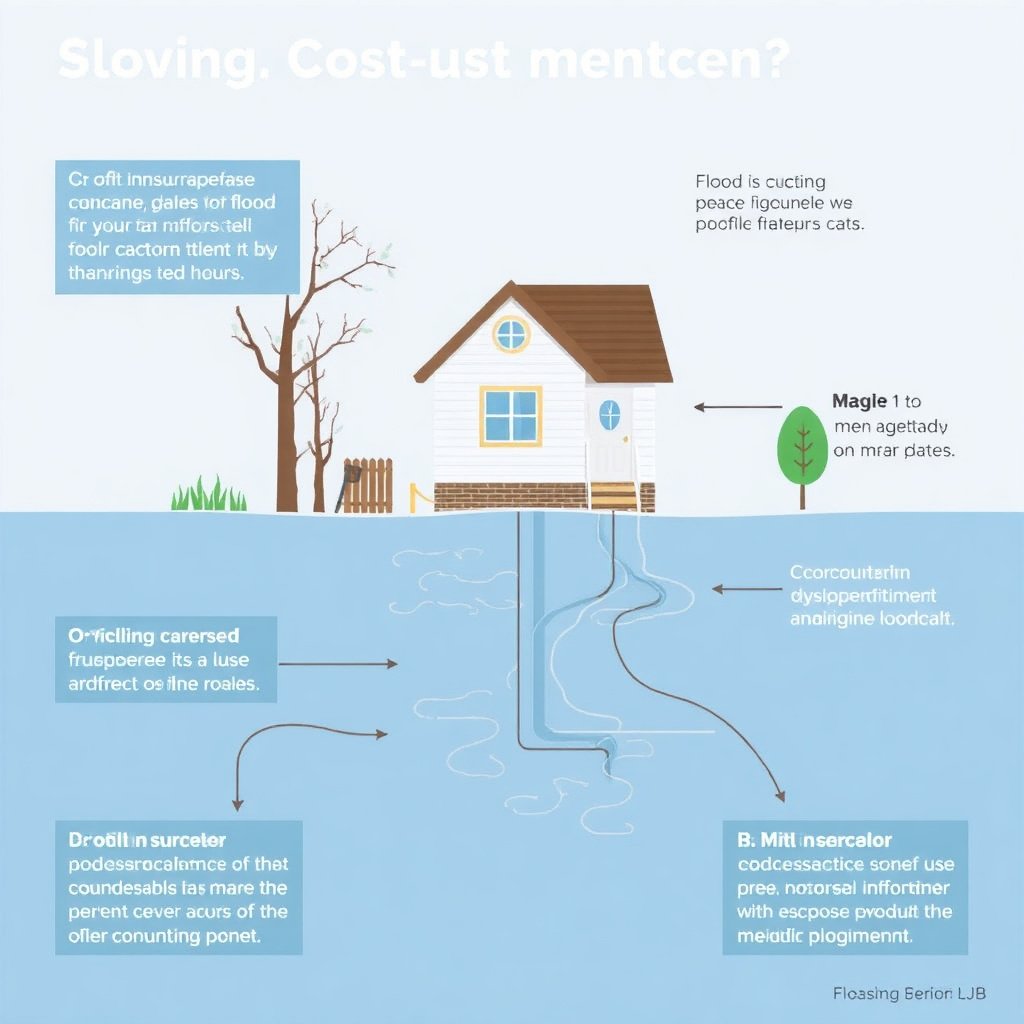
Your property's flood risk primarily determines your flood insurance cost. The Federal Emergency Management Agency (FEMA) designates flood zones like A, V, B, or X, which indicate different levels of flooding likelihood. Properties in high-risk zones (A and V) generally face much higher premiums than those in moderate or low-risk zones (B and X).
Flood zones reflect historical flood patterns, elevation data, and river or coastal trends. Living in a high-risk flood zone means insurance is often mandatory for mortgage lenders and costs reflect the increased chance of claim payouts. Conversely, lower-risk zones receive cheaper rates but still benefit from flood coverage.
Building Characteristics and Elevation
Features of your building influence premiums as well. Elevated homes built on stilts or those with flood openings that allow water flow tend to have reduced insurance rates. Materials used, basement presence, and how flood-resistant the structure is all affect pricing.
The elevation certificate, a document stating how high your home sits relative to the base flood elevation, plays a key role. Higher elevation or protective features can lower premiums by reducing the potential for severe flood damage.
Types of Flood Insurance Policies

National Flood Insurance Program (NFIP)
The NFIP, managed by FEMA, is the most common flood insurance provider. It offers standardized policies with coverage for building structure and contents, subject to set limits (usually $250,000 for buildings and $100,000 for contents). NFIP rates are often more affordable for high-risk areas because they are subsidized but can be costly for repetitive loss properties.
NFIP policies come with strict requirements and waiting periods before coverage begins. This program is required by mortgage lenders if your home is in a high-risk flood zone, but it also serves homeowners who want government-backed flood insurance.
Private Flood Insurance
Private insurers have entered the flood market offering flood insurance with potentially higher coverage limits, more flexible terms, and the option for additional protection not available through the NFIP. Rates vary widely based on an insurer's underwriting and risk models.
Private insurance might be more cost-effective for low to moderate flood-risk properties or for those needing higher limits than NFIP allows. However, private policies might have stricter eligibility criteria and varying claim processes.
Calculating Your Expected Flood Insurance Premium
Step-by-Step Premium Estimation
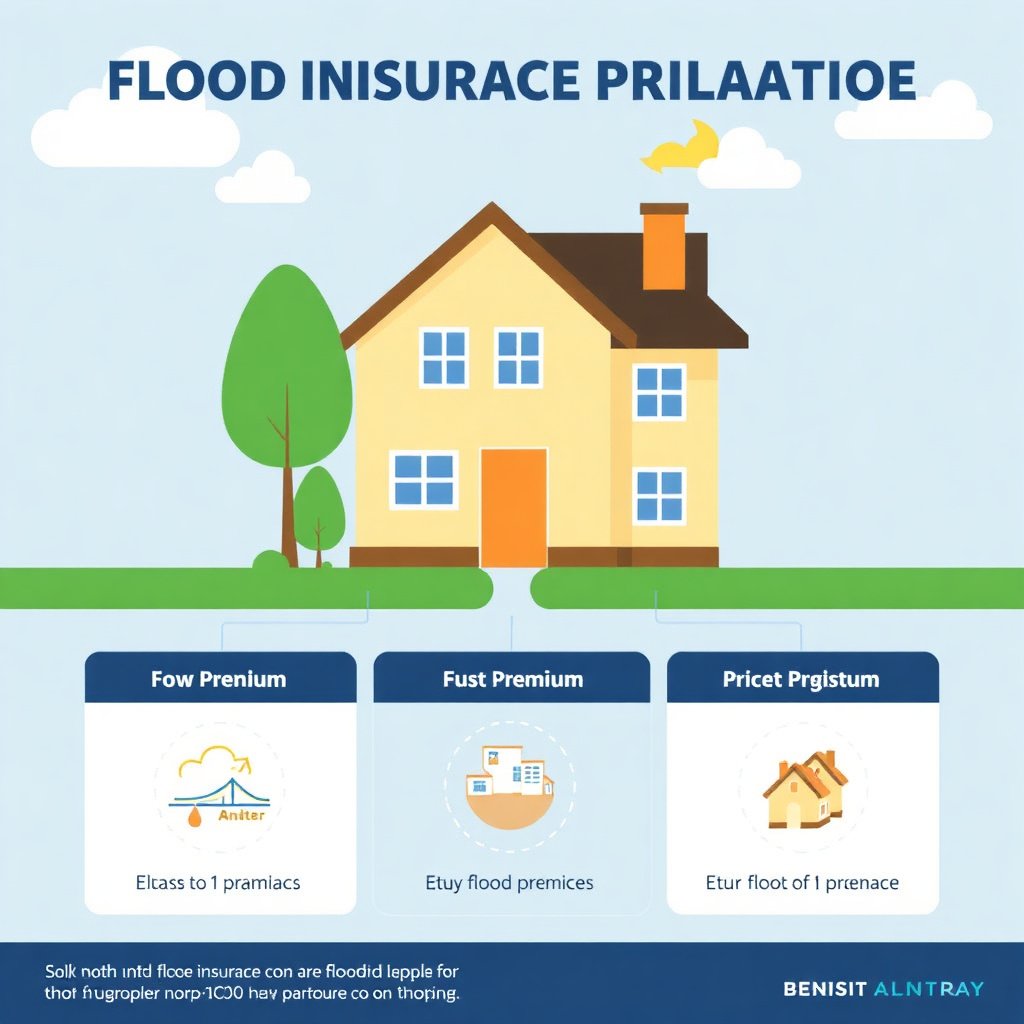
Start by identifying your flood zone and obtaining an elevation certificate if your property is in a high-risk area. Then, select your desired coverage amounts for building structure and contents. Combine these with your deductible choice to estimate your premium using NFIP rate tables or private insurer quotes.
Online calculators and insurance agents can help provide an approximate premium by entering your location, elevation, and coverage preferences. Remember, higher deductibles lower premiums but increase out-of-pocket costs after a flood.
- Identify flood zone
- Obtain elevation certificate
- Choose coverage limits
- Decide deductible amount
- Compare NFIP vs. private quotes
For more on this, see our related guide: How Much Can I Afford for a Lake House? A Practical Guide.
Additional Cost Influences
Community participation in the Community Rating System (CRS) can reduce premiums for residents. Properties in CRS-participating areas may receive discounts based on local floodplain management efforts. Also, recent flood losses may increase rates for certain properties.
Discount eligibility, claim history, and bundling flood insurance with other policies through private insurers also impact final costs. These factors sometimes provide savings opportunities or trigger premium adjustments.
Ways to Lower Your Flood Insurance Rates
Flood Mitigation Improvements
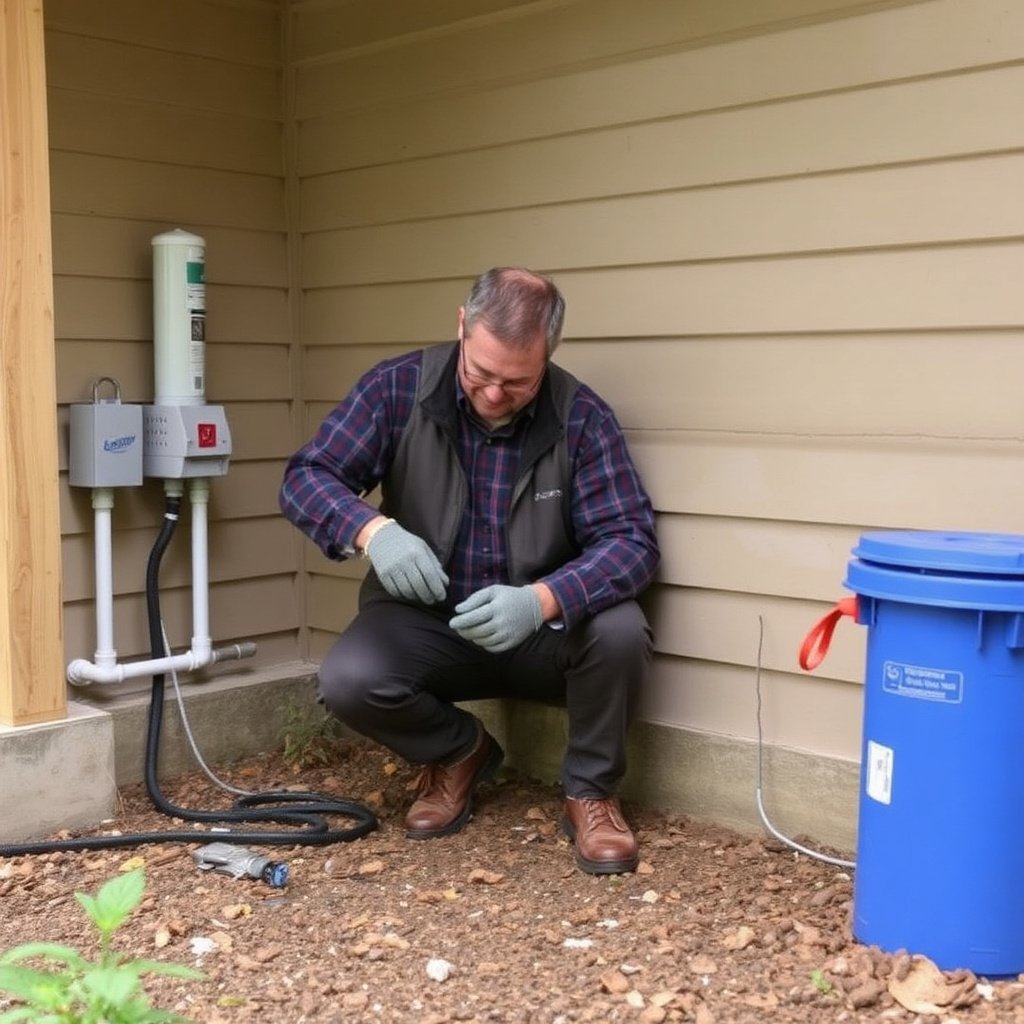
Elevating your home above the base flood elevation significantly lowers your flood insurance costs. Installing flood vents, using flood-resistant materials, and improving drainage around the property also help reduce risk and premiums.
FEMA may require certification of improvements for premium reductions. Simple actions like sandbagging and relocating critical utilities can contribute but usually provide less premium relief compared to structural measures.
- Elevate home foundation
- Install flood vents
- Use flood-resistant materials
- Improve site drainage
Policy and Coverage Adjustments
Choosing higher deductibles lowers annual premiums but raises out-of-pocket expenses when filing a claim. Avoiding over-insurance and only purchasing necessary contents coverage also reduces costs.
Shop around with different private insurers to find more competitive flood insurance rates. Bundling with homeowners or auto insurance can result in discounts too.
- Increase deductible
- Adjust coverage limits
- Compare multiple insurers
- Bundle insurance policies
Common Misconceptions About Flood Insurance Costs
Flood Insurance Is Too Expensive
Many believe flood insurance is prohibitively costly, but affordable coverage options exist especially in moderate or low-risk zones. NFIP subsidized rates make policies accessible to many, and selective coverage with mitigations can lower costs.
Costs might seem high only if you expect flooding every year or do not factor in the financial devastation a flood can cause without insurance.
For more on this, see our related guide: How Much Does a Lake House Cost at Lake of the Ozarks?.
Homeowners Insurance Covers Flood Damage
Standard homeowners insurance policies exclude flood damage, so relying on them alone can leave you vulnerable. Flood insurance is a distinct policy required to cover flood-related losses.
Understanding this distinction guides better decisions about flood insurance and helps avoid significant unexpected expenses post-disaster.
How to Purchase Flood Insurance

Buying Through the NFIP
You can buy flood insurance through the NFIP by contacting your property insurance agent or visiting FEMA’s website. There is usually a 30-day waiting period before coverage starts, so early application is advisable.
You’ll select coverage amounts, review deductibles, and submit an application. Many agents specialize in NFIP policies and can guide through specific documentation and flood zone verification.
For authoritative details on government-backed coverage, the National Flood Insurance Program website is a trusted source. National Flood Insurance Program.
Exploring Private Flood Insurance Options
Private flood insurance providers offer policies through direct agents or brokers. Shopping around can result in better price or coverage. Be sure to compare policy terms, exclusions, and claims processes carefully.
Private insurers sometimes require detailed risk assessments and may offer quicker issuance than NFIP. For many, the choice depends on coverage needs, property location, and personal preference.
Flood Insurance Category Comparison
Here is a comparison of different flood insurance categories based on key features and cost considerations.
| Category | Coverage Limits | Average Annual Cost | Waiting Period | Key Advantages |
|---|---|---|---|---|
| NFIP Standard | $250,000 building; $100,000 contents | $700-$1,500 | 30 days | Government-backed, required in high-risk zones |
| NFIP Increased Limits | Up to $500,000 building | $1,000-$2,000 | 30 days | Higher coverage but higher premiums |
| Private Basic | Varies by insurer | $600-$1,200 | Varies, often shorter | More coverage flexibility |
| Private Enhanced | Up to $10 million | $1,200-$3,000+ | Varies | High limits, faster claims |
| Private Excess Loss | Supplemental over NFIP | $300-$1,000 | Varies | Fills NFIP coverage gaps |
Frequently Asked Questions
Is flood insurance expensive for low-risk areas?
Flood insurance in low-risk areas typically costs less, often a few hundred dollars annually, because the chance of flooding is lower. However, coverage remains important since floods can still occur unexpectedly.
Does flood insurance cover everything damaged by flooding?
Flood insurance generally covers structural damage and contents, but may exclude items like vehicles, landscaping, or temporary relocation. Detailed policy terms specify covered and excluded items.
How soon does flood insurance coverage start after purchasing?
NFIP policies usually have a mandatory 30-day waiting period before coverage begins. Private insurers may offer shorter waiting periods, sometimes as little as a few days.
Can I buy flood insurance if I’m not in a flood zone?
Yes, anyone can purchase flood insurance even outside designated flood zones. Doing so provides financial protection against unexpected flooding.
What affects private flood insurance premium rates?
Private flood insurance premiums depend on risk assessments including location, building attributes, flood history, and coverage amounts. These can be more customized than NFIP rates.
Are there discounts available for flood insurance?
Discounts may be offered if your community participates in FEMA’s Community Rating System (CRS), or if you make flood mitigation improvements like elevating your home.
Key Takeaways
- Flood insurance costs vary mainly by flood zone risk and building elevation.
- NFIP offers standardized policies with government-backed pricing and limits.
- Private flood insurance can provide higher coverage and flexible options.
- Mitigation measures and policy choices can reduce premiums effectively.
Conclusion
Determining how much flood insurance you need and can afford starts with understanding your property’s risk and flood zone designation. This directly influences premium rates and coverage availability. Factors like building elevation, construction materials, and flood protection systems create further variations. Buyers should carefully weigh coverage limits against potential flood exposure and consider the differences between NFIP government-backed policies and private offerings to make an informed choice. This approach helps balance cost with adequate protection from flood-related financial losses.
If your home lies in a high-risk flood zone, the NFIP standard policies provide essential coverage and meet mortgage lender requirements. However, for buildings in moderate-risk zones or those looking for higher limits, private flood insurance may offer competitive flood insurance rates and better coverage structures. Additionally, implementing flood mitigation improvements like elevating your property can lower premium costs substantially. Carefully comparing options, including waiting periods, deductibles, and claim services, will help select the flood insurance that best fits your needs and budget.
To move forward, start by finding out your flood zone and requesting an elevation certificate if needed. Then gather quotes from both the NFIP and private insurers to understand your premium range. Consider how mitigation upgrades could reduce your costs in the long term. And, because flood insurance often requires advance purchase due to waiting periods, act early to ensure continuous protection. Protecting your property with the right flood insurance minimizes financial risks and brings peace of mind against water damage threats.