What Is a Floating Dock? Understanding Its Uses and Benefits
A floating dock is a platform supported by pontoons or flotation devices that rests on the water's surface and rises and falls with the tide or water levels. Unlike fixed docks, it adapts to changing water heights, making it ideal for areas with fluctuating tides or lakes with varying levels.
Floating docks are especially useful because they provide consistent accessibility regardless of water depth changes. They are commonly used in marinas, private waterfront properties, and commercial harbors to facilitate boat mooring, swimming access, and water-based recreation. Their mobility and adaptability are key advantages over traditional fixed docks.
This article explains how floating docks function, explores the different materials and designs available, highlights their various applications, and compares common floating dock types. Whether you’re considering installing one or simply curious about their features, you’ll gain a clear understanding of what makes floating docks a preferred solution for many waterfront settings.
How Floating Docks Work

Buoyancy and Support Mechanisms
Floating docks rely on buoyant materials such as foam-filled pontoons or sealed plastic barrels to stay afloat. This buoyancy offsets the dock's weight and any additional loads, maintaining a stable surface that adjusts with water height fluctuations.
The dock's platform is attached rigidly to the floating supports but is anchored to a fixed point onshore or underwater piles to prevent drifting. This setup allows vertical movement while limiting horizontal displacement, ensuring safe and accessible docking.
Anchoring and Stability
Anchors, cables, or pilings hold floating docks in place. Pilings are vertical poles driven into the seabed or lakebed that act as guides for the dock, allowing it to slide up and down as the water rises or falls.
For some floating docks, weighted anchors or mooring blocks keep them positioned without vertical constraints. Stability is enhanced through proper anchoring techniques that suit the local water depth, currents, and wave action.
Materials Used in Floating Dock Construction

Common Docking Platform Materials
Floating dock platforms are often made from treated wood, composite decking, or aluminum. Treated wood offers natural aesthetics but requires regular maintenance to prevent rot and decay.
Composite materials resist moisture and UV damage with less upkeep, making them popular for residential docks. Aluminum platforms provide strength and light weight but may come at a higher cost.
Pontoon and Flotation Options
Pontoons can be fabricated from high-density polyethylene, foam-filled plastic barrels, or aluminum. Plastic pontoons are corrosion-resistant and durable against impacts.
Foam-filled pontoons provide permanent buoyancy even if damaged, while aluminum pontoons are lightweight but may require coatings to prevent corrosion in saltwater environments.
Types of Floating Docks
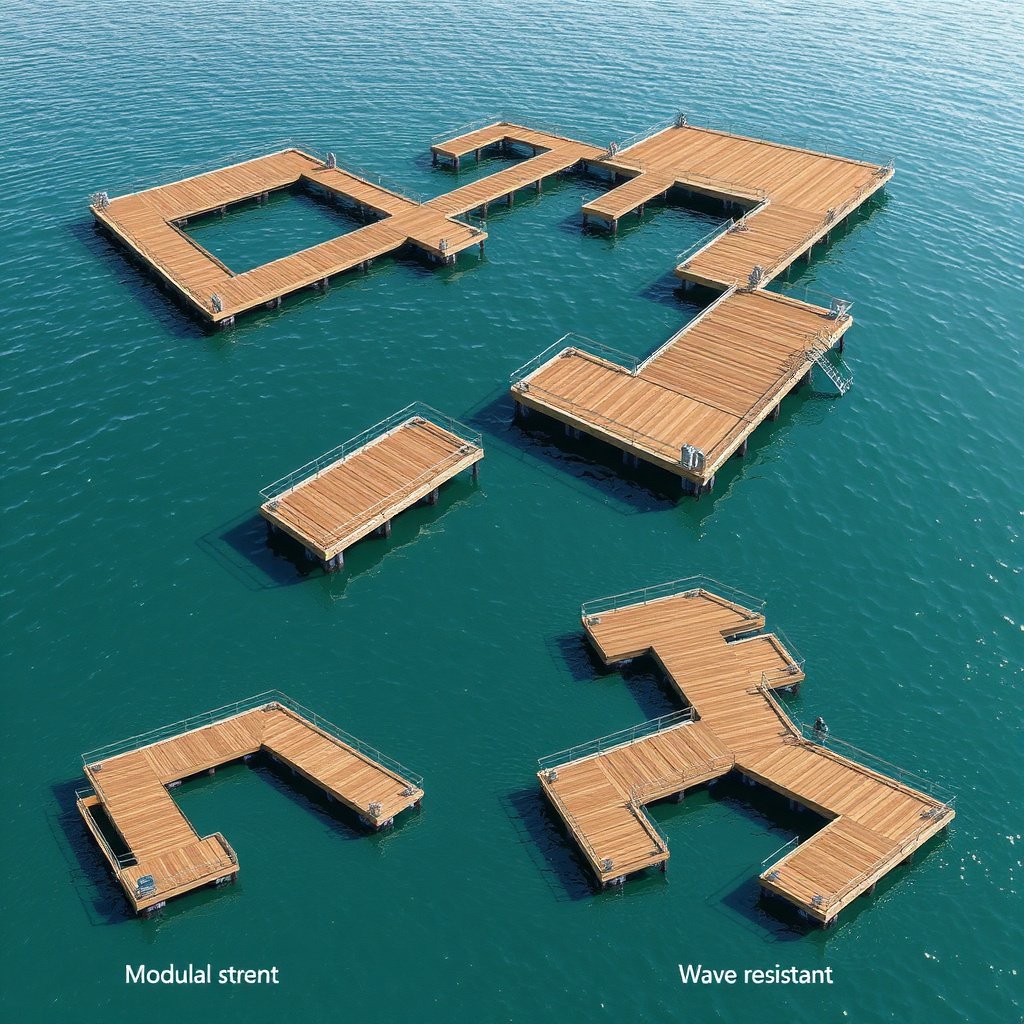
Modular Floating Docks
Modular floating docks consist of interlocking sections that can be assembled or reconfigured easily. This versatility suits changing needs or irregular shoreline shapes.
Typically made of plastic or composite materials, modular docks can be expanded over time, making them a cost-effective option for homeowners and small marinas.
- Easy customization
- Quick installation or removal
- Lightweight and portable
For more on this, see our related guide: How Much Does a Boat Dock Cost? A Detailed Cost Guide.
Fixed-Shape and Specialty Floating Docks
Some floating docks are designed with fixed shapes like L- or U-forms to accommodate specific boat sizes or create protected areas.
Wave-resistant or heavy-duty floating docks have reinforced framing to withstand rough water conditions, ideal for commercial or high-traffic marinas.
- Custom forms for boat access
- Reinforced for durability
- Enhanced stability in waves
Benefits of Choosing a Floating Dock

Adaptability to Changing Water Levels
Floating docks naturally adjust their height with water level changes, maintaining consistent access and reducing hazards related to fluctuating tides or seasonal water variations.
This adaptability is invaluable in coastal areas and lakes where water levels can differ significantly throughout the year.
Ease of Installation and Maintenance
Compared to fixed docks that require extensive construction, floating docks can be installed relatively quickly with fewer environmental disruptions.
Maintenance tends to be simpler as sections can be replaced individually, and the materials used often resist weather-related wear better than fixed structures.
Applications of Floating Docks

Residential and Recreational Use
Many homeowners install floating docks for private boat access, swimming, or leisure. The docks provide reliable platforms for launching small boats and safe spots for water activities.
Their flexibility allows for easy relocation or customization based on property changes or seasonal needs.
For more on this, see our related guide: How to Maintain a Boat Dock for Longevity and Safety.
Commercial and Marina Settings
Marinas and commercial waterfronts favor floating docks for their durability and ability to handle heavy boat traffic despite varying water depths.
They can be configured to maximize docking spaces and incorporate utility hookups for electricity and water.
Maintenance Tips for Floating Docks
Regular Inspection Routines
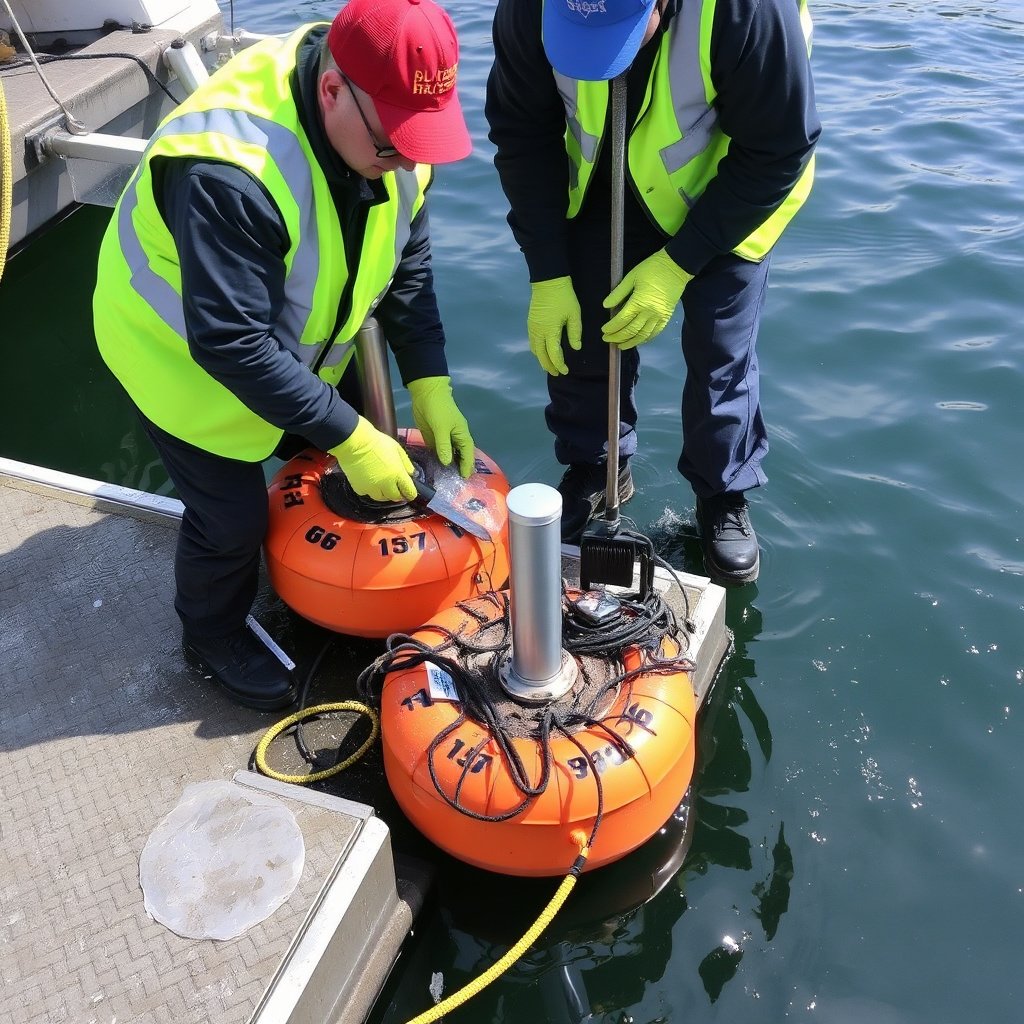
Inspect flotation devices for leaks or damage at least twice a year to prevent sudden loss of buoyancy.
Check hardware connections, anchors, and decking surfaces for wear or corrosion, especially after storms or extreme weather.
- Look for cracks in pontoons
- Tighten loose fittings
- Clean algae and debris
For additional technical and historical background, refer to the floating dock information on Wikipedia. floating dock information on Wikipedia.
Seasonal Care and Winterization
In colder climates, floating docks may need to be removed or secured to withstand ice formation that can damage structures.
Proper winterizing can extend the dock's lifespan and reduce costly repairs in spring.
- Remove or raise dock sections
- Drain water to prevent freezing damage
- Cover surfaces to protect from UV exposure
Floating Dock Types Category Comparison
The following table compares popular types of floating docks based on materials, ease of installation, durability, and best uses.
| Category | Material | Installation Difficulty | Durability | Best Use |
|---|---|---|---|---|
| Modular Plastic | High-density polyethylene | Easy | Medium | Residential, Small Boats |
| Foam-filled Pontoon | Polyethylene with foam core | Moderate | High | Residential and Light Commercial |
| Aluminum Frame | Aluminum with composite deck | Moderate | High | Commercial and Heavy Use |
| Wave-resistant Heavy Duty | Reinforced steel and composite | Difficult | Very High | Commercial Marinas |
| Treated Wood Platform | Pressure-treated wood | Moderate | Medium | Traditional Waterfronts |
Frequently Asked Questions
Can a floating dock be used in saltwater?
Yes, many floating docks are suitable for saltwater environments if made with corrosion-resistant materials like aluminum and high-density polyethylene.
How does a floating dock stay in place?
Floating docks are anchored using pilings, cables, or weighted anchors that allow vertical movement but prevent drifting horizontally.
What maintenance does a floating dock require?
Routine inspections for flotation integrity, tightening hardware, cleaning surfaces, and seasonal winterizing help maintain a floating dock’s performance.
Are floating docks more expensive than fixed docks?
Floating docks can be less expensive due to simpler installation, but material and design choices greatly affect cost.
Can floating docks support heavy vehicles or equipment?
Most floating docks are designed for pedestrian and boat traffic; heavy vehicles typically require specially reinforced docks or fixed platforms.
Key Takeaways
- Floating docks rise and fall with water level changes using buoyant pontoons.
- Materials range from plastic and foam-filled pontoons to aluminum and treated wood platforms.
- Modular designs offer flexibility, while heavy-duty docks handle rough conditions.
- Regular inspection and maintenance are necessary for longevity and safety.
Conclusion
Choosing a floating dock involves understanding how its buoyancy and anchoring systems adapt to water level variations. Since the floating dock itself moves vertically while being anchored firmly in place, it provides stable access that fixed docks cannot guarantee in fluctuating waters. Evaluating factors such as local water dynamics, environmental exposure, and intended use helps narrow down the dock type that fits individual needs. Considering how materials resist corrosion, UV damage, and physical stress ensures the dock will last many seasons with proper care.
For homeowners seeking flexible, easy-to-install options, modular plastic or foam-filled pontoon docks offer excellent value and convenience. Commercial marinas benefiting from heavy vessel traffic might prefer wave-resistant aluminum-frame docks due to their durability and strength. In lakes or calm waterways, treated wood platforms remain attractive for their appearance but require ongoing maintenance. Identifying the right dock style according to setting and use will save time and expense over the dock’s lifetime.
If you plan to install a floating dock, start by assessing your shoreline’s conditions and legal guidelines surrounding waterfront construction. Contacting local marine contractors can provide tailored advice on anchoring options and permitting requirements. Whether assembling modular sections or investing in custom heavy-duty platforms, floating docks offer accessible, adaptable waterfront solutions that enhance your outdoor experience.