How to Buy a Lake House Out of State: A Complete Buyer’s Guide
Purchasing a lake house out of state requires focused planning, thorough research, and trusted professional support. To buy successfully, start by identifying your preferred lake region and property type, then work remotely with local realtors, conduct virtual or in-person inspections, and verify all legal and environmental factors affecting lakefront ownership.
Buying a second home far from your current residence involves extra complexities such as unfamiliar market conditions, travel logistics, and understanding local regulations. Missing critical details can lead to costly mistakes or ownership issues. That’s why this process demands careful organization, hands-on communication, and a solid approach to evaluating lakefront properties.
This guide will break down each important phase of buying a lake house out of state, from early research and financing options to due diligence and closing the deal. You’ll also find practical advice on choosing the right lakefront property, managing inspections remotely, and what to watch for regarding taxes and maintenance.
Researching and Selecting the Right Lakefront Location

Evaluating Different Lake Regions and Communities
Different lakes offer distinct atmospheres, amenities, and seasonal weather patterns. Consider whether you want a quiet retreat, vibrant community, or one with access to boating and fishing. Study local amenities like marinas, restaurants, and healthcare facilities, since these impact long-term satisfaction and resale value.
It’s also important to research accessibility by road and nearest airports if you plan to travel frequently. Some lake areas have HOA rules or conservation regulations that affect usage. Gathering this information upfront helps narrow choices and avoid surprises later.
- Review community demographics and activity level
- Check proximity to major cities and transport hubs
- Understand HOA fees and restrictions
- Investigate seasonal population shifts
Considering Environmental and Zoning Factors Near Lakes
Environmental factors such as flood risks, shoreline erosion, and water quality directly affect safety and property value. Use state environmental agencies’ data and flood maps to assess risks.
Zoning rules can limit remodeling, docks, or boat usage. Ensure the land use policies align with your intended property use. Checking local regulations early saves frustration and expense later.
- Examine FEMA flood zone maps
- Investigate local lake management policies
- Check for endangered species or protected areas
- Review building setback and dock regulations
Arranging Remote Financing and Understanding Costs

Financing a Lake House Out of State
Securing a mortgage for a lake house, especially out of state, can be more involved than for primary residences. Lenders may require larger down payments or higher credit standards due to the property type.
Work with lenders experienced in vacation or secondary home loans. Pre-approval helps establish your budget and strengthens offers. Remote loan applications and digital paperwork streamline the process.
- Compare vacation home mortgage rates
- Prepare financial documents for proof of income
- Consider lender familiarity with lakefront properties
- Factor in private mortgage insurance if applicable
Budgeting for Additional Ownership Expenses
Owning a lake house entails costs beyond mortgage payments, such as property taxes, insurance premiums specialized for lakeside risks, maintenance, utility setups, and property management if you won’t be on-site regularly.
Include travel expenses for visitations and plan for seasonal upkeep of docks, septic systems, or landscaping. A clear budget ensures you can comfortably sustain ownership.
- Estimate insurance costs including flood coverage
- Calculate property tax differences vs. home state
- Budget for local utilities and service providers
- Plan for occasional property management fees
Working with Real Estate Professionals and Inspectors

Finding a Knowledgeable Local Realtor
A remote buyer’s best ally is a real estate agent deeply familiar with the local lakefront market. They can offer up-to-date listings, negotiate offers, and navigate local customs and paperwork.
Choose agents who are responsive with virtual tours, drone footage, and video walkthroughs. A trustworthy realtor helps bridge the distance gap and can recommend trusted inspectors and contractors.
- Read reviews and ask for references
- Confirm local lake property expertise
- Discuss communication preferences upfront
For more on this, see our related guide: What Is a Lakefront Home? A Clear Guide to Buying and Living by the Water.
Conducting Property Inspections from Afar
In-person inspections are crucial for lake houses due to specialized elements like docks, shoreline erosion, and septic systems. If you can’t inspect personally, hire reliable local inspectors and request detailed reports and videos.
Consider multiple inspections including structural, environmental, and pest control. A virtual walkthrough while inspector is on-site provides a real-time view.
- Use inspectors specializing in waterfront properties
- Request high-quality photos and video documentation
- Schedule live video calls during inspections
Conducting Legal Due Diligence and Closing Remotely

Reviewing Title, Easements, and Lake Access Rights
Check the title for liens, easements, or covenants that might restrict use or access. Confirm whether lake access is private or shared and what rights you have to docks or common areas.
Title companies or local attorneys can perform thorough research on your behalf. Protecting clear ownership is vital before finalizing purchase agreements.
- Order a title search from a reputable firm
- Investigate any shared access agreements
- Review community or HOA deed restrictions
Completing Remote Closings Legally and Securely
Many states now facilitate remote closings via electronic signatures and online notarization. Confirm that your agent and attorney use secure platforms to avoid fraud.
Coordinate timing across time zones and be ready for last-minute document reviews. Comprehensive preparation reduces stress and ensures smooth transfer of ownership.
- Verify the legitimacy of remote closing providers
- Confirm signing instructions with all parties
- Arrange secure storage for closing documents
Maintaining and Managing Your Out-of-State Lake House
Hiring Local Property Management Services
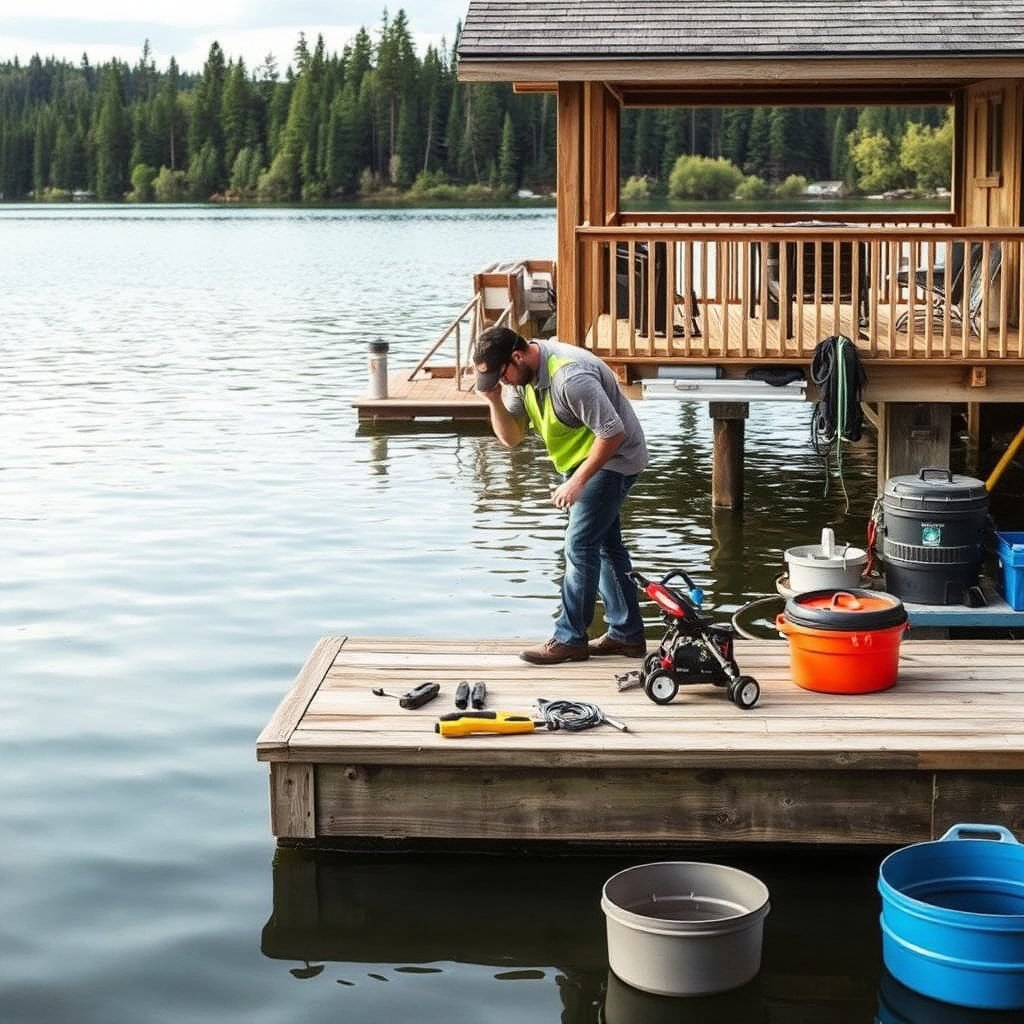
If frequent visits aren’t possible, local property managers provide essential services such as regular inspections, maintenance scheduling, and emergency repairs.
They can also handle guest bookings if you plan to rent the lake house when not in use. Choose managers familiar with lakefront issues and trustworthy through verified references.
- Interview multiple providers and check licenses
- Clarify service scope and fees in contracts
- Request status reports and communication plans
For more on this, see our related guide: How Much Does It Cost to Rent a Lake House? A Detailed Cost Guide.
Seasonal Maintenance and Upkeep Tips for Lakefront Homes
Lakeside properties often require seasonal preparation like winterizing plumbing, dock repairs, and landscaping focused on erosion control. Plan ahead to avoid damage from harsh weather or fluctuating water levels.
Create a maintenance calendar and coordinate with your property manager or trusted contractors to keep your investment in good condition year-round.
- Schedule regular septic system inspections
- Protect docks from ice and storm damage
- Manage vegetation to reduce erosion risks
Understanding Taxes, Insurance, and Legal Responsibilities

Navigating Property Taxes and Local Tax Laws
Tax rates on lake houses may differ significantly from your primary residence, including possible additional local levies or tourist taxes. Some states have special assessments for waterfront properties.
Consult a tax professional about implications of owning out of state, including filing requirements and deductions related to rental use or mortgage interest.
- Check annual property tax rates and due dates
- Understand personal vs. rental property tax treatment
- Research state income tax implications of rental income
For a detailed overview of lakeside property types and considerations, refer to this comprehensive resource on lakeside residences. lake house buying considerations.
Securing Adequate Insurance for Lakefront Risks
Standard homeowner insurance policies may not cover flood, water damage, or lake-related accidents. Separate flood insurance policies and liability coverage are often needed.
Work with insurers familiar with waterfront homes to tailor coverage that protects your investment against common lake hazards.
- Compare quotes specifically for lakefront properties
- Add flood and windstorm insurance riders if needed
- Confirm liability coverage for docks and watercraft
Lake House Buying Options Compared
Here’s a summary comparison of popular lake house buying approaches and property types to help you evaluate what suits your needs best.
| Category | Typical Price Range | Pros | Cons |
|---|---|---|---|
| Turnkey Lake House | $350K – $700K | Move-in ready, minimal work needed, established amenities | Higher cost, less customization |
| Fixer-Upper Lake Property | $150K – $400K | Lower purchase price, potential for added value | Requires significant renovations, hidden issues likely |
| Condo or Townhouse on Lakefront | $250K – $500K | Shared maintenance, amenities like pools | HOA fees, less privacy, limited dock space |
| Remote Lake House Investment | $200K – $600K | Potential rental income, slower demand | Management challenges, possibly less personal use |
| New Construction Lake Home | $400K – $800K | Modern design, energy-efficient, warranty | Longer wait time, higher construction costs |
Frequently Asked Questions
Can I buy a lake house entirely online without visiting?
While buying remotely is possible using virtual tours and thorough inspections by local professionals, it’s recommended to visit in person before closing to confirm condition and suitability.
What should I look for in a lake house inspection?
Key areas include foundation stability, dock and shoreline condition, septic system, water quality, and signs of erosion or flood damage.
Are there special loans for lake houses?
Yes, lenders offer vacation or second home mortgages with specific requirements, often including higher down payments and stricter credit standards.
How do property taxes differ for lake houses?
Lakefront properties often have higher tax rates or special assessments due to their desirable location and extra services, so research local tax rules carefully.
What insurance coverage do I need for a lake house?
In addition to standard homeowner’s insurance, flood and liability coverage for docks or boats are important for protecting against lake-specific risks.
Key Takeaways
- Research lake regions carefully for lifestyle fit and local regulations.
- Secure financing early with lenders familiar with vacation homes.
- Work with local real estate agents and inspectors for reliable remote evaluations.
- Plan for ongoing maintenance, insurance, and tax obligations unique to lakefront properties.
Conclusion
Buying a lake house out of state depends largely on information gathering and building a trustworthy local team to handle ground-level details. By prioritizing thorough research on lake communities, environmental conditions, and zoning regulations, you establish a foundation for confident decisions. Collaborating with lenders who understand vacation home financing streamlines your purchase budget. Remote inspections conducted by specialized inspectors, supplemented with virtual walk-throughs, minimize risks without requiring multiple site visits. Legal due diligence and remote closing processes make the transaction feasible despite geographic distance.
Different buyer profiles call for different approaches: if you want hassle-free convenience, a turnkey lake house lets you move in quickly with fewer unknowns. For those wanting to customize, fixer-uppers offer value if you have the time and resources to renovate. Condos or townhomes with shared amenities appeal to buyers who prefer low maintenance but can tolerate HOA restrictions. For rental investors, managing a remote property may mean contracting trusted local management services. Choosing your financing method and insurance coverage tailored for lakefront properties protects your investment through unexpected weather and usage variables.
Ultimately, your next step should be identifying suitable lake regions and contacting experienced local real estate agents who offer virtual services. Plan a visit to any shortlisted properties to get a feel for the area and home condition. Arrange financing pre-approval to strengthen your bargaining position. Once you have a trusted team, focus on legal and environmental reviews, then proceed confidently with your remote closing. This careful, stage-wise approach helps you enjoy lakefront living well beyond your home state’s borders.





2 Comments