What Is an MLS? Understanding the Multiple Listing Service Explained
An MLS, or Multiple Listing Service, is a private database used by real estate brokers to share information about properties for sale. It allows agents to access comprehensive listings from multiple brokers, creating a centralized platform that facilitates coordinated property marketing and sales.
This system plays a key role in real estate by increasing market transparency and improving the chances of finding suitable buyers quickly. Because the MLS collects detailed information about each property, it enables agents to deliver more precise search results to clients and supports cooperation between competing agencies.
This article will cover what an MLS is, how it functions within the real estate industry, the benefits it offers to buyers and sellers, different types of MLS systems, and how you can access listings through this service.
How the MLS Functions in Real Estate Transactions

The Role of Real Estate Brokers in MLS
Real estate brokers contribute listings to the MLS, allowing other brokers to view and offer these properties to potential buyers. Each listing includes detailed data such as price, photographs, property specifications, and disclosures necessary for buyers.
By pooling listings, brokers broaden the exposure for sellers and provide buyers with comprehensive options. This collaborative approach helps match buyers to properties more efficiently than individual efforts.
How Listings are Shared and Updated
Listings submitted to the MLS are updated in real time to reflect status changes like price adjustments, pending sales, or removal from the market. This keeps the database current and reliable for MLS users.
Agents rely on the accuracy of this updating process to advise clients effectively and plan marketing strategies. It also enables quick dissemination of new listings and price changes to a wide network.
Key Benefits of Using an MLS for Buyers and Sellers

Advantages for Sellers Listing on MLS
Sellers benefit from MLS exposure because their properties are shared across numerous agencies, increasing visibility to potential buyers nationwide. This network effect can lead to faster sales and often better price offers.
The MLS also standardizes property information, making it easier for marketing materials and online listings to maintain accuracy, which helps build buyer trust.
How Buyers Gain from MLS Access
Buyers have access to a centralized collection of properties fitting their criteria, which simplifies the search process. Agents can provide customized listings quickly, helping buyers evaluate more options without extensive manual searching.
Additionally, the MLS often lists detailed property histories and disclosures which support informed decision-making and negotiation.
Different Types of MLS Systems and Access Methods
Local vs. Regional MLS Networks
MLS systems typically operate on local or regional levels, with membership limited to brokers practicing in specific geographic markets. This ensures listings are relevant and tailored to local market dynamics.
Some regions have multiple MLSs, which can require brokers to join several to cover broad areas. Others consolidate data into larger regional databases.
For more on this, see our related guide: What Is a Real Estate Broker? Understanding Their Role and Importance.
How Homebuyers Access MLS Listings
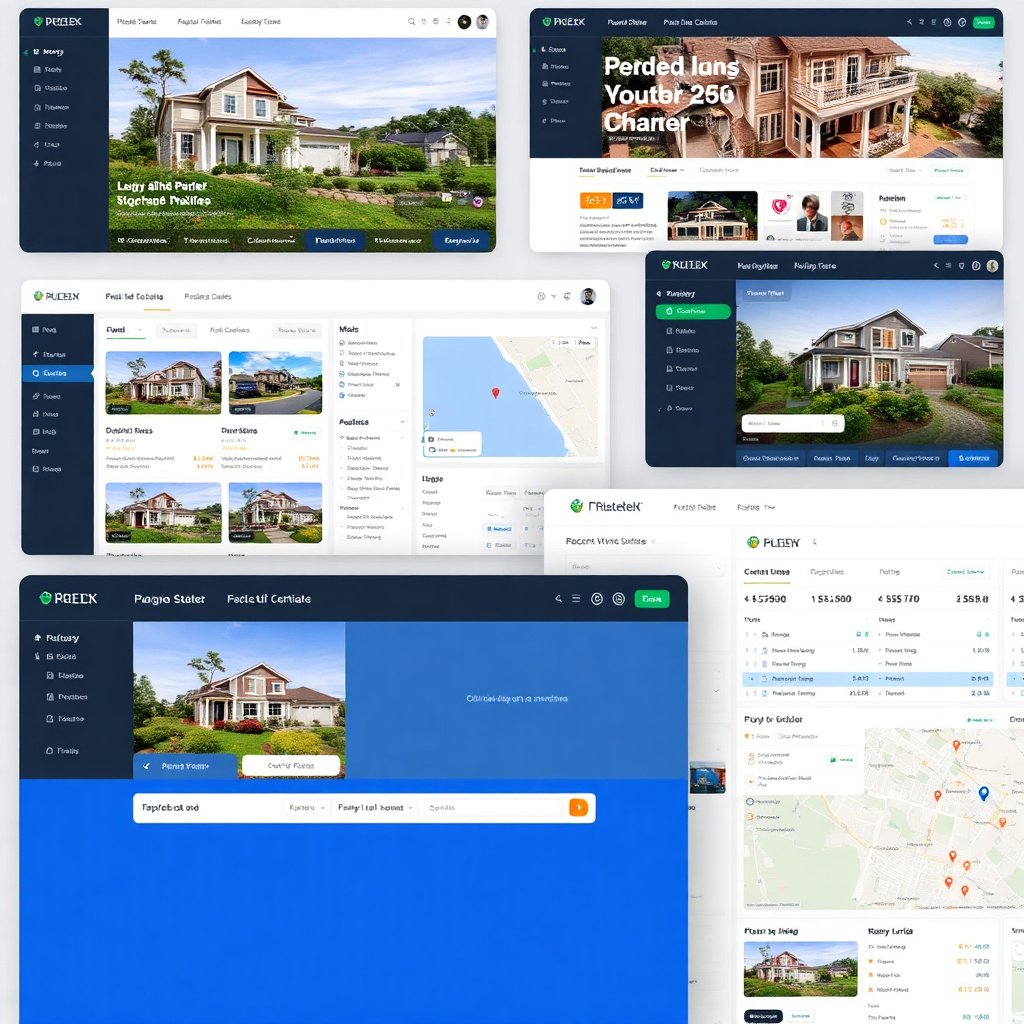
While MLS databases are primarily for broker use, buyers often access MLS data indirectly through agent websites, real estate portals, or mobile apps that display MLS listings.
Certain platforms require registration or working with an agent to unlock full MLS information, ensuring accurate and professional guidance during the buying process.
MLS Data Accuracy and Regulation

Ensuring Data Quality in MLS Entries
MLS boards enforce guidelines and rules to maintain high data accuracy, requiring brokers to submit complete and truthful information about their listings. This oversight helps keep listings reliable for all participants.
Agents regularly audit listings for inconsistencies, which improves trust in the MLS system and reduces errors in property details.
Privacy and Legal Considerations in MLS Use
MLS databases handle sensitive information, so access is limited to licensed professionals who agree to ethical standards and legal responsibilities.
Consumers should be aware that while many MLS details become public in listings, some data remains confidential to protect seller privacy and proprietary broker information.
How MLS Influences Real Estate Market Dynamics

MLS Role in Pricing and Market Trends
The extensive data collected by MLS systems forms the basis for market analysis, allowing brokers and appraisers to assess property values and pricing trends accurately.
Having access to comparable sales and active listings enhances market transparency and helps prevent price manipulation.
For more on this, see our related guide: Understanding Real Estate Commission in Missouri: What Sellers and Buyers Need to Know.
Impact on Competition Among Brokers
By sharing listings openly with cooperating agents, MLS fosters a cooperative but competitive environment, where brokers compete to represent clients while working together to sell properties.
This interplay helps prevent market fragmentation and can improve overall efficiency.
Emerging Trends and Technologies in MLS Services

Integration of Virtual Tours and AI in MLS
Many MLS platforms now incorporate virtual reality tours and AI-powered search filters, enhancing the buying experience by allowing buyers to preview homes remotely.
AI tools also help agents generate tailored property recommendations, speeding up the matching process.
For a detailed overview of the Multiple Listing Service system and its history, visit the Multiple Listing Service Wikipedia article. Multiple Listing Service Wikipedia article.
The Future of MLS Data Sharing
There is a growing movement toward consolidating disparate MLS systems and adopting standardized data formats for easier nationwide access.
Blockchain technology and improved APIs may soon allow more secure and transparent real estate data exchanges.
MLS System Types Comparison
This table compares key characteristics of different MLS system types to help understand their features and suitability.
| MLS Type | Coverage Area | Membership | Access for Buyers | Typical Features |
|---|---|---|---|---|
| Local MLS | City or County | Licensed local brokers | Via agents or portals | Highly localized listings, frequent updates |
| Regional MLS | Multi-county or State region | Brokers from several local areas | Agent access; some consumer portals | Broader market data, regional insights |
| Private Brokerage MLS | Single brokerage firm | Within one brokerage | Restricted to firm agents only | Exclusive listings, internal sharing |
| National MLS Aggregator | Nationwide compilation | Aggregates from various MLSs | Public websites and apps | Broad data, less detail, limited real-time updates |
Frequently Asked Questions
Can homebuyers access MLS listings directly?
Homebuyers usually access MLS listings through real estate agents or public websites that display MLS data. Direct access to the full MLS database is typically restricted to licensed brokers.
Is there a fee to access the MLS?
MLS access usually requires membership fees paid by real estate brokers. Buyers and sellers do not directly pay to view MLS listings but may encounter fees through agent commissions.
How often is MLS data updated?
MLS data is updated frequently, often daily or in real time, to reflect new listings, price changes, and sales status to maintain accurate and current information.
Does the MLS include all properties for sale?
While many properties are listed on MLS, some sellers use private sales or alternative listing services that may not appear in the MLS database.
Who manages the MLS database?
Local or regional real estate boards or associations typically manage the MLS, setting rules and maintaining the system for their member brokers.
Key Takeaways
- MLS is a collaborative database connecting brokers to share property listings efficiently.
- It benefits sellers with wider property exposure and buyers with centralized access to listings.
- Access to MLS data is typically through brokers or authorized portals rather than direct public access.
- MLS systems vary by region and organization but all aim to improve transparency in real estate markets.
Conclusion
Understanding what an MLS is can clarify much about how modern real estate markets operate. It serves as a cooperative platform where brokers converge to share comprehensive property information, which benefits both buyers and sellers by improving market reach and transparency. When choosing a property or listing to sell, knowing the MLS's role helps set realistic expectations about the process and timelines.
For buyers, working with an agent who has robust MLS access is invaluable for uncovering properties that meet specific needs quickly and efficiently. Sellers can leverage MLS exposure to ensure their property reaches a broad audience, often resulting in faster sales and competitive offers. Different MLS types—from local to regional or private systems—offer varying degrees of coverage and features, so agents’ memberships can impact the breadth of listings available for clients.
The next step for anyone interested in buying or selling property is to consult with a knowledgeable real estate agent familiar with the MLS systems in their target area. Agents provide expert guidance navigating listings, ensuring access to the most current and comprehensive data available. Recognizing how the MLS works will empower better decisions and more effective real estate transactions.