How to Buy a Lakefront Property with a Dock: Essential Tips and Insights
Buying a lakefront property with a dock means securing direct water access and enjoying unique recreational benefits. To successfully purchase such a property, you need to evaluate dock conditions, waterfront regulations, and land features right away. These key factors impact the value, legal rights, and safety of your investment on the water.
Lakefront homes offer serene views and private boating access, but they come with unique challenges such as environmental rules, maintenance complexities, and zoning laws. Understanding the specifics around dock ownership and lake use is crucial to avoid future disputes and expenses.
This article covers practical steps for buying a lakefront property with a dock, from property evaluation and legal considerations to financing and maintenance tips. You'll gain insights into lakefront real estate buying guide essentials for confident decision-making.
Understanding Lakefront Property and Dock Ownership
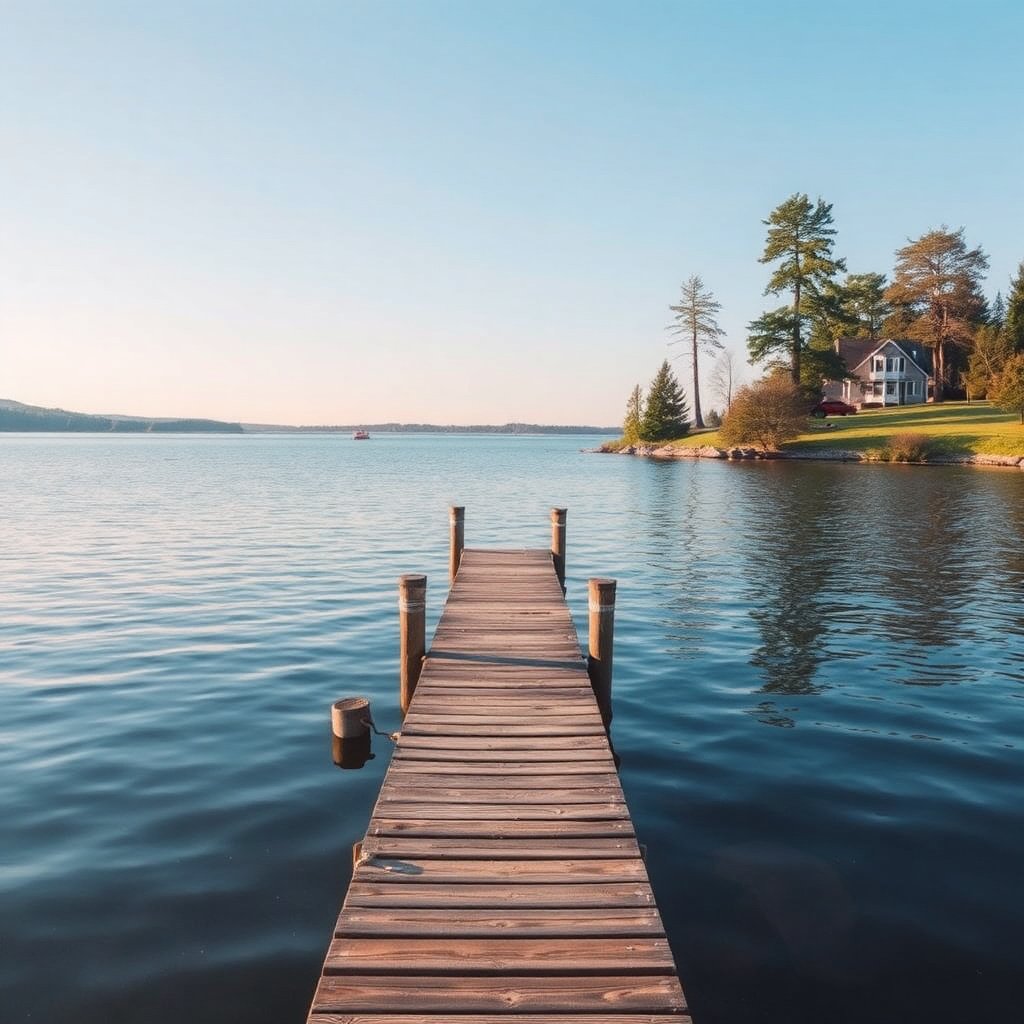
Types of Lakefront Property Ownership
Lakefront property ownership comes with different rights depending on local laws. Some properties include full ownership of the land up to the water’s edge, while others might have shared or limited rights with public waterways or homeowner associations.
Knowing whether you own the dock, the shoreline, or just the house is essential before purchase. Some lakefront properties allow private docks, whereas others restrict dock installation or use communal docks.
Legal Status and Regulations of Docks
Docks are often regulated by state and local agencies overseeing waterways. Permits may be required for construction or repairs, and there may be environmental restrictions to protect fish habitats or prevent shoreline erosion.
Clarify if the dock on the property is legally permitted, who is responsible for maintenance, and what changes you can make. This prevents fines and costly legal issues.
- Check for existing permits
- Understand environmental restrictions
- Review shared dock agreements if applicable
Evaluating the Dock and Waterfront Features
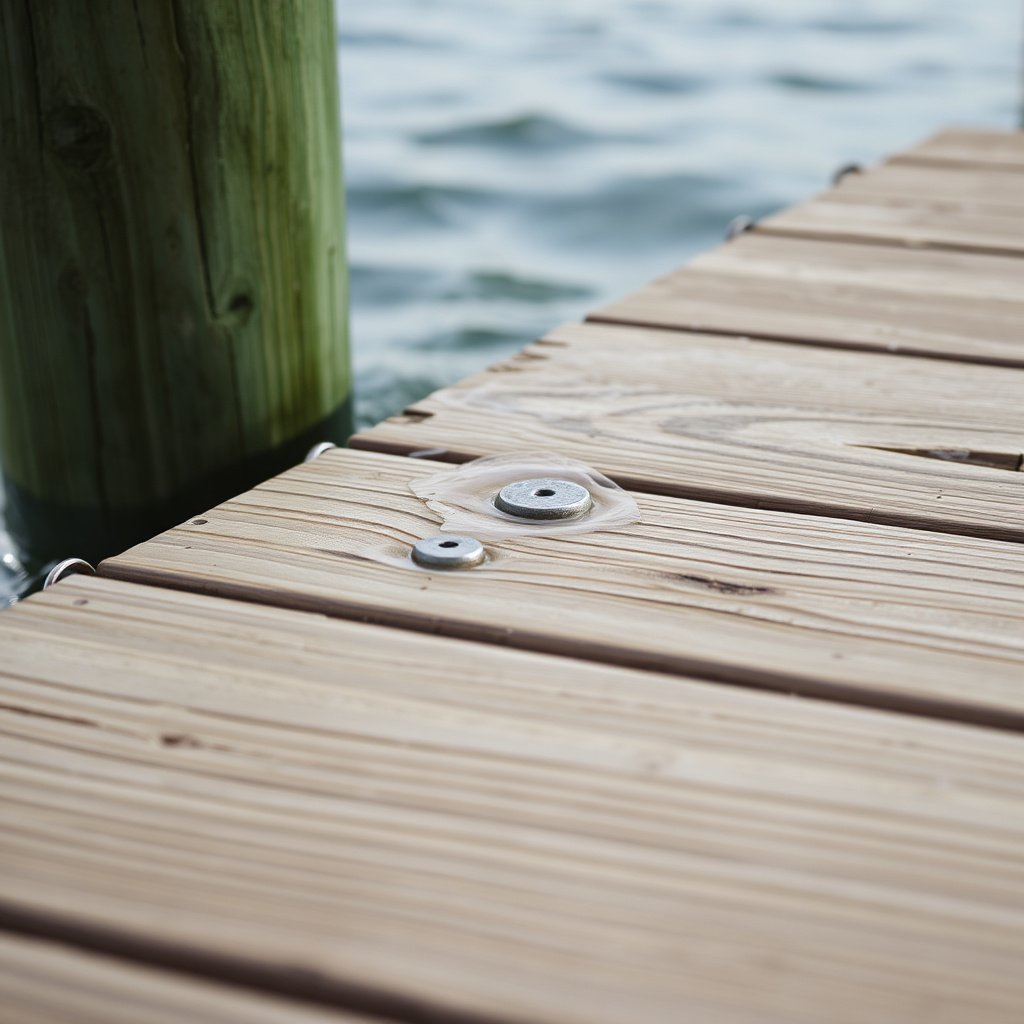
Assessing Dock Condition and Safety
Inspect the dock’s structural integrity, including the decking, pilings, and fasteners. Look for wood rot, rusted nails, or unstable components. A well-maintained dock saves money and ensures safe use.
If possible, hire a professional to evaluate the dock, especially if it’s floating or has electrical components like lighting or boat lifts.
- Check for loose or damaged boards
- Assess pilings for stability
- Inspect for signs of water damage or wear
Water Depth and Accessibility Considerations
Water depth at the dock is vital for boating and swimming safety. Shallow water may restrict boat types or seasons of use. Consider seasonal water level fluctuations that might affect dock usability.
Also, consider the approach to the dock from your property and whether it accommodates mobility needs or fishing activities.
- Measure average depth and shoreline slope
- Check for underwater obstacles
- Account for seasonal changes in water level
Financing and Insurance for Lakefront Homes with Docks
Mortgage Options for Lakefront Properties
Lenders sometimes view lakefront homes differently due to potential risks like flooding and maintenance costs. You might need a larger down payment or specialized loan terms tailored for waterfront real estate.
Work with lenders familiar with lakefront real estate buying guide principles to explore options including conventional loans, VA loans, or specialized waterfront property financing.
For more on this, see our related guide: How Long Does It Take to Buy a Lake House? A Practical Timeline Explained.
Insurance Considerations for Docks and Water Access
Insurance for lakefront property should cover flood risk, liability related to the dock, and potential damage to boats. Some policies offer specific coverage for dock repairs or replacement.
Review insurance policies carefully, and consider additional protections like umbrella liability coverage to protect against accidents occurring on the dock.
- Flood insurance availability and cost
- Liability coverage for dock use
- Protection against storm damage
Environmental and Maintenance Responsibilities
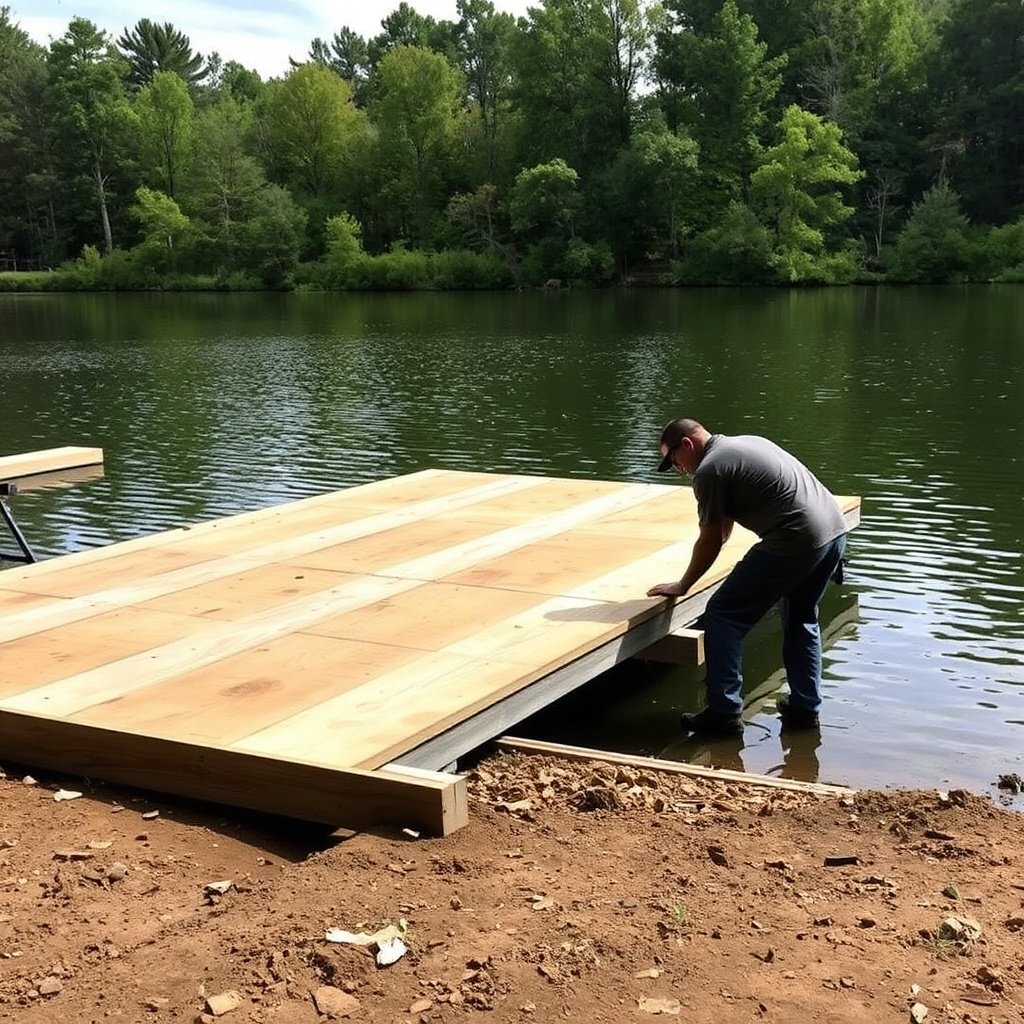
Shoreline and Dock Maintenance Tasks
Regular dock maintenance includes cleaning algae, replacing worn boards, and inspecting hardware. Shoreline upkeep may involve erosion control and vegetation management to comply with environmental standards.
Maintenance responsibilities often fall on the owner and can represent significant ongoing costs, so factor this into your planning.
- Seasonal inspections and repairs
- Erosion prevention methods
- Vegetation trimming and control
Protecting Local Ecosystems
Lakefront property owners must respect local wildlife and water quality regulations. Using eco-friendly cleaning products and avoiding intrusive dock modifications helps preserve natural habitats.
Comply with pesticide and fertilizer restrictions near the lake to avoid harming aquatic life and affecting water clarity.
Negotiating and Closing the Purchase

Important Contract Clauses for Lakefront Properties
Include inspection contingencies specifically for the dock and waterfront areas in the purchase agreement. Address who is responsible for any necessary repairs noted before closing.
Clarify access rights, dock ownership transfers, and any HOA regulations affecting your use of the lake and dock in the contract.
For more on this, see our related guide: How to Get a Dock Permit at Lake of the Ozarks: A Step-by-Step Guide.
Final Walkthrough and Closing Steps
A final walkthrough verifies the dock’s condition has not changed and that agreed repairs are done. Confirm all permits and legal documents related to dock ownership are transferred.
Completing title insurance for waterfront rights can prevent future boundary or access issues after closing.
- Verify dock repair completion
- Confirm property boundary and water rights
- Obtain copies of all permits and approvals
Living on a Lakefront Property with a Dock

Maximizing Your Waterfront Lifestyle
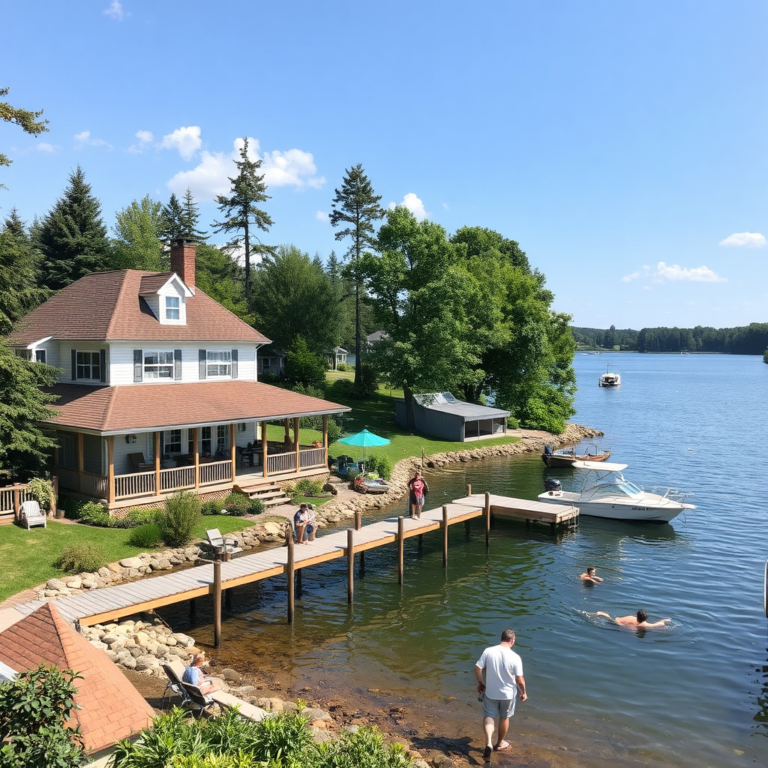
Having a dock opens up boating, fishing, swimming, and relaxing right at home. Planning dock expansion or upgrades for seating or boat lifts enhances your experience.
Engaging with local lake councils or homeowner associations lets you stay informed on lake health and community events related to waterfront living.
For more on lakefront property characteristics and ownership, see the Lakefront property basics on Wikipedia. Lakefront property basics on Wikipedia.
Seasonal Considerations and Preparation
Prepare your dock for winter with proper removal or reinforcement to avoid ice damage. During summer, routine cleaning and checking for hazards keeps the dock safe for family and guests.
Watching water level changes throughout the year helps schedule maintenance and recreational activities without surprises.
- Winterize dock components
- Regular cleaning and safety checks
- Monitor seasonal water fluctuations
Types of Lakefront Properties with Docks: Category Comparison
Below is a comparison of common lakefront property categories considered when buying, showing ownership type, dock control, and typical price range.
| Category | Ownership Rights | Dock Ownership | Price Range | Maintenance Responsibility |
|---|---|---|---|---|
| Private Single-Family Lakefront Home | Full ownership to water’s edge | Owned and maintained by homeowner | $500,000 – $2,000,000 | Homeowner |
| Lakefront Condo with Shared Dock | Limited common element rights | Shared dock owned by HOA | $300,000 – $800,000 | HOA |
| Cottage Lease on Public Lake | Leasehold on shoreline | Dock permission varies, often restricted | $100,000 – $400,000 | Tenant/owner varies |
| Lakefront Lot with Permit to Build Dock | Land ownership only | Dock construction rights with permit | $150,000 – $600,000 | Owner after construction |
| Resort-Owned Lake House | Rented or timeshare rights | Dock access included but not owned | $50,000 – $300,000 | Resort management |
Frequently Asked Questions
Can I build a dock myself when buying lakefront property?
In many places, you must obtain permits before building a dock. Regulations vary by location, and unauthorized construction can result in fines or dock removal.
Who is responsible for dock maintenance in a shared ownership situation?
Typically, a homeowner association or shared property owners jointly maintain the dock. Specific responsibilities should be detailed in governing documents.
Is flood insurance necessary for lakefront properties with docks?
Yes, flood insurance is often recommended or required due to higher flood risk. Docks may also need special coverage depending on policy terms.
How do seasonal water level changes affect dock use?
Seasonal fluctuations can limit boat access or dock usability. Some docks are adjustable or floating to accommodate varying water levels.
Can environmental rules limit dock size or location?
Yes, many regions have strict environmental regulations limiting dock dimensions and placement to protect aquatic habitats and water quality.
Key Takeaways
- Confirm dock ownership and legal permits before purchase.
- Thoroughly inspect dock condition and water depth.
- Understand financing and insurance specifics for lakefront homes.
- Factor ongoing dock and shoreline maintenance into your budget.
Conclusion
Purchasing a lakefront property with a dock involves balancing legal, environmental, and practical factors tied to waterfront living. You must carefully evaluate ownership rights, dock condition, and local regulations to protect your investment. This strategic approach helps avoid common pitfalls that come with the specialized nature of lakefront real estate.
For those interested in private ownership and full control, a single-family lakefront home with a private dock offers the greatest flexibility but requires active maintenance and potentially higher upfront costs. Shared dock scenarios like condos reduce individual responsibility but limit dock use options. Assess your lifestyle needs, budget, and willingness to manage dock upkeep to choose the right property category.
Once you decide on the type of lakefront property, engage with knowledgeable real estate professionals who understand waterfront specifics. Arrange thorough inspections and clarify all dock-related permits or agreements before closing. These steps will help you enjoy your new waterside home safely and with peace of mind, making the most out of your lakefront retreat.




One Comment