What Is an Easement? Understanding Property Rights and Access
An easement is a legal right that allows someone to use another person's property for a specific purpose without owning it. It typically grants access or use of land for activities like crossing it, installing utilities, or maintaining infrastructure. Easements can be permanent or temporary, depending on the agreement.
Understanding easements is important because they affect how property can be used and transferred. They protect the interests of parties who rely on access or usage rights and help avoid disputes between neighbors or landowners.
This article explores what an easement entails, the common types recognized by law, how to create or terminate easements, and practical considerations for property owners dealing with easements.
Types of Easements and Their Uses

Easements Appurtenant
An easement appurtenant involves two properties: a dominant estate that benefits from the easement, and a servient estate that permits the use. This type is attached to the land itself, so when the dominant estate is sold, the easement typically transfers to the new owner.
Common examples include driveway easements allowing access across a neighbor's land or pathways for utilities. Easements appurtenant generally run with the land, meaning they remain in effect regardless of ownership changes.
Easements in Gross
Easements in gross benefit a specific individual or entity rather than a parcel of land. These easements are personal and may not transfer when the property is sold unless the parties agree otherwise.
Utility companies often hold easements in gross to install and maintain lines or pipes. These easements grant rights to use land for infrastructure without conferring ownership interests to another property.
How Easements Affect Property Rights and Easements
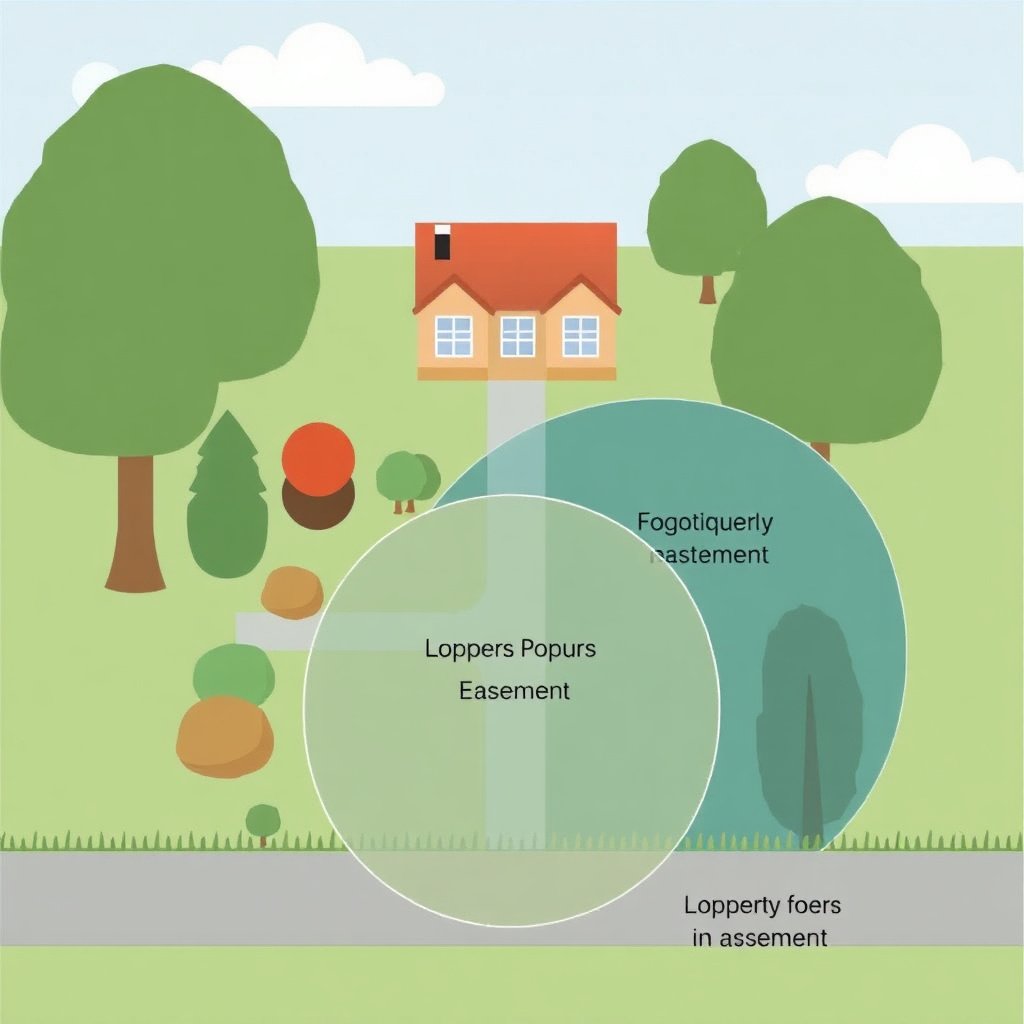
Impact on Property Ownership
An easement limits the servient property owner's rights by granting certain uses to another party. While the owner still holds title, the easement represents a legal burden that must be honored.
This means owners cannot block or interfere with the permitted use and must maintain the property in a way that respects the easement, such as keeping an access path clear.
For more on this, see our related guide: Is It a Good Time to Buy Land? Expert Insights for 2024.
Transfer and Sale Considerations
When selling property with an easement, sellers must disclose its existence, as buyers assume the property subject to existing easements. Easements appurtenant generally transfer automatically, while easements in gross may or may not.
Understanding these factors helps buyers evaluate how easements impact property value and what restrictions come with ownership.
Creating and Recording Easements

Legal Methods to Establish Easements
Easements can be created through express written agreements, which are the most clear and easily enforceable method. Parties outline the scope, duration, and terms of use in a legal document.
Alternatively, easements may arise by necessity if land is otherwise landlocked, or by prescription through continuous, open, hostile use over time, similar to adverse possession.
- Express grant or reservation
- Easement by necessity
- Easement by prescription
Recording Easements
To protect and publicize easement rights, recording the easement with the local land records office is standard practice. This ensures future owners are aware and legally bound by the easement.
Unrecorded easements may be harder to enforce, especially for new purchasers unaware of the prior arrangement.
Terminating Easements and Resolving Disputes

How Easements End
Easements typically end when the purpose is no longer needed, by mutual agreement, or if the easement holder abandons the use and rights are relinquished. Legal procedures may be required to formally terminate an easement.
Sometimes, changes in property use or court decisions can dissolve easements if conditions or agreements change significantly.
For more on this, see our related guide: Do You Need a Survey to Buy a House? Essential Homebuyer Insights.
Addressing Easement Conflicts
Disputes often arise over access times, maintenance responsibilities, or expanding easement use beyond what was agreed. Resolving these conflicts often requires negotiation, mediation, or legal action.
Property owners should understand their easement rights clearly and consult professionals when disagreements occur, as courts generally enforce easement terms strictly.
Practical Considerations for Property Owners

Evaluating Easements Before Purchase
Potential buyers should investigate any existing easements during due diligence, including examining title reports and property surveys. Knowing easement terms helps avoid unpleasant surprises after purchase.
Understanding how easements affect property rights and easements can influence negotiations and price.
For more comprehensive details, you can visit the Easement definition on Wikipedia. Easement definition on Wikipedia.
Maintaining and Respecting Easements
Property owners with easements must maintain paths, utilities, or access areas as required by law or agreements. Respecting easement boundaries helps preserve positive neighbor relations and prevents legal trouble.
Regular communication with easement holders can ensure use remains amicable and clear.
Common Types of Easements: A Comparison
This table compares common easement categories based on usage, transferability, and typical purposes to help understand their differences.
| Easement Type | Typical Use | Transferable | Duration |
|---|---|---|---|
| Easement Appurtenant | Access across property | Usually attached to property | Permanent unless terminated |
| Easement in Gross | Utility lines or personal use | Generally non-transferable | Often indefinite until ended |
| Easement by Necessity | Access to landlocked property | Runs with property | Until necessity ends |
| Easement by Prescription | Adverse continuous use | Runs with property | Until abandoned or challenged |
| Conservation Easement | Environmental preservation | Runs with property | Usually perpetual |
Frequently Asked Questions
Can easements be changed or modified later?
Yes, easements can be modified if all involved parties agree in writing. Otherwise, changes usually require legal action or may not be allowed if they interfere with existing rights.
Does an easement give ownership of the land?
No, an easement grants usage rights but does not transfer ownership. The property owner retains title but must allow the easement holder specific uses.
How are easements different from leases?
Easements are rights to use land for a purpose without possessing it, often permanently. Leases grant tenants possession and control of property for a limited time.
What happens if an easement is not recorded?
Unrecorded easements may be difficult to enforce against new owners. Recording protects the easement holder and notifies future buyers of the rights involved.
Can easements be sold separately from the property?
Easements in gross can sometimes be sold or assigned independently, but easements appurtenant are generally tied to the property and transfer only with it.
Key Takeaways
- Easements grant specific use rights over another's property without transferring ownership.
- Common types include easements appurtenant and easements in gross, each with different legal implications.
- Recording easements protects parties and buyers by publicizing usage rights.
- Understanding property rights and easements helps prevent disputes and guides property transactions.
Conclusion
When evaluating property ownership, recognizing the role of an easement is essential for understanding the legal use and access rights that may apply. An easement represents a non-possessory interest allowing parties certain uses of land without transferring ownership. This legal structure balances the rights of dominant and servient estates, impacting how owners and users interact with the property. Properly identifying the nature and terms of any easements enhances clarity and reduces the risk of conflicts between neighbors or between owners and utility companies.
Choosing to purchase or manage property involves examining existing easements carefully. For example, easements appurtenant, which provide access rights attached to adjacent land, demand attention during title searches since they transfer automatically upon sale. Easements in gross, often held by utility firms, allow infrastructure maintenance but usually do not run with the land. Assessing these rights and their permanence helps buyers and owners decide among different property scenarios, considering factors like access, restrictions, and maintenance responsibilities. Doing so safeguards property value and usability over time.
Property owners and potential buyers should take proactive steps in reviewing documentation related to use rights and easements. Engaging knowledgeable real estate professionals and attorneys to analyze recorded easements can provide clarity and help negotiate terms if needed. Whether creating new easements or addressing existing ones, knowing the implications of these legal arrangements is crucial. Taking these steps prepares property owners to live harmoniously with neighbors and utility providers while protecting their interests effectively.