What Is Property Tax? A Clear Guide to Understanding Property Taxes
Property tax is a tax levied by local governments on real estate properties, including land and buildings. It is calculated based on the assessed value of the property and is paid annually by the property owner.
This tax funds community services like schools, police, fire departments, and road maintenance. Understanding property tax matters because it impacts homeowners’ annual expenses and influences real estate decisions.
In this article, we will explain how property tax is determined, the different types of property taxes, exemptions available, the payment process, and how to compare tax rates effectively.
How Property Tax Is Calculated
Assessment of Property Value
Local tax assessors determine the value of a property based on its market value, size, location, and improvements. This assessed value forms the basis of the property tax calculation.
Assessments are usually updated every few years to reflect changes in the market or improvements made to the property, ensuring the tax reflects current property worth.
Tax Rate and Millage
Property tax rates are expressed in millage rates, where one mill represents one-tenth of a cent. The tax owed equals the assessed value multiplied by the mill rate set by local governments.
Different municipalities may have varying rates depending on their budgets and spending needs, which directly affects the amount paid by property owners.
- Millage Rate = Tax per $1,000 of assessed value
- Varies by locality
Types of Property Taxes

Residential Property Tax
This tax applies to homes, condos, and residential buildings. It is generally the kind of property tax most homeowners encounter and is based on the value of their living space.
Rates for residential properties may be lower than for commercial properties to ease the financial burden on homeowners.
Commercial and Agricultural Property Tax
Commercial properties, such as stores or office buildings, typically have higher property tax rates reflecting their business use and earning potential.
Agricultural properties might be taxed at preferential rates or may qualify for exemptions to support farming activities.
- Higher rates for commercial properties
- Possible exemptions or lower rates for agricultural land
Common Property Tax Exemptions and Reliefs

Homestead Exemptions
Many states offer homestead exemptions that reduce the taxable value of primary residences, lowering the overall property tax bill for homeowners.
These exemptions vary widely by location but provide meaningful savings to those who qualify.
For more on this, see our related guide: How to Finance a Lake Lot: A Practical Guide to Buying Waterfront Property.
Other Exemptions and Credits
Seniors, veterans, disabled individuals, and sometimes low-income homeowners may qualify for additional relief or credits on property taxes.
Understanding eligibility and applying for these exemptions can significantly reduce the amount owed.
- Senior citizen exemptions
- Veteran and disability credits
- Low-income homeowner relief
Property Tax Payment Process

Payment Deadlines and Methods
Property taxes are typically due once or twice a year, with deadlines set by local tax authorities. Missing payments can lead to penalties or liens.
Payments can often be made online, by mail, or in person depending on the jurisdiction’s options.
- Annual or semi-annual payments
- Multiple payment methods
- Penalties for late payments
Appealing Property Tax Assessments
If a property owner believes their assessment is inaccurate, they can appeal to the local assessor’s office. This process involves submitting evidence of property value discrepancies.
Successful appeals can lower the assessed value and reduce the tax burden, though procedures differ by location.
Impact of Property Tax on Real Estate Decisions

Considering Property Tax in Buying
Property tax levels affect the overall cost of owning a home, influencing affordability and monthly expenses for buyers.
Researching local real estate tax rates helps buyers avoid surprises and make educated decisions based on total ownership costs.
For more on this, see our related guide: Can You Tax Deduct a Second Home? Understanding the Rules and Benefits.
Real Estate Investment and Taxes
Investors factor property tax as part of operating expenses, impacting cash flow and profitability of rental or commercial properties.
Comparing real estate tax rates across regions assists investors in choosing locations with favorable tax environments.
- Higher taxes reduce net income
- Favorable tax rates attract investors
How to Compare Property Tax Rates Effectively
Understanding Effective Tax Rates
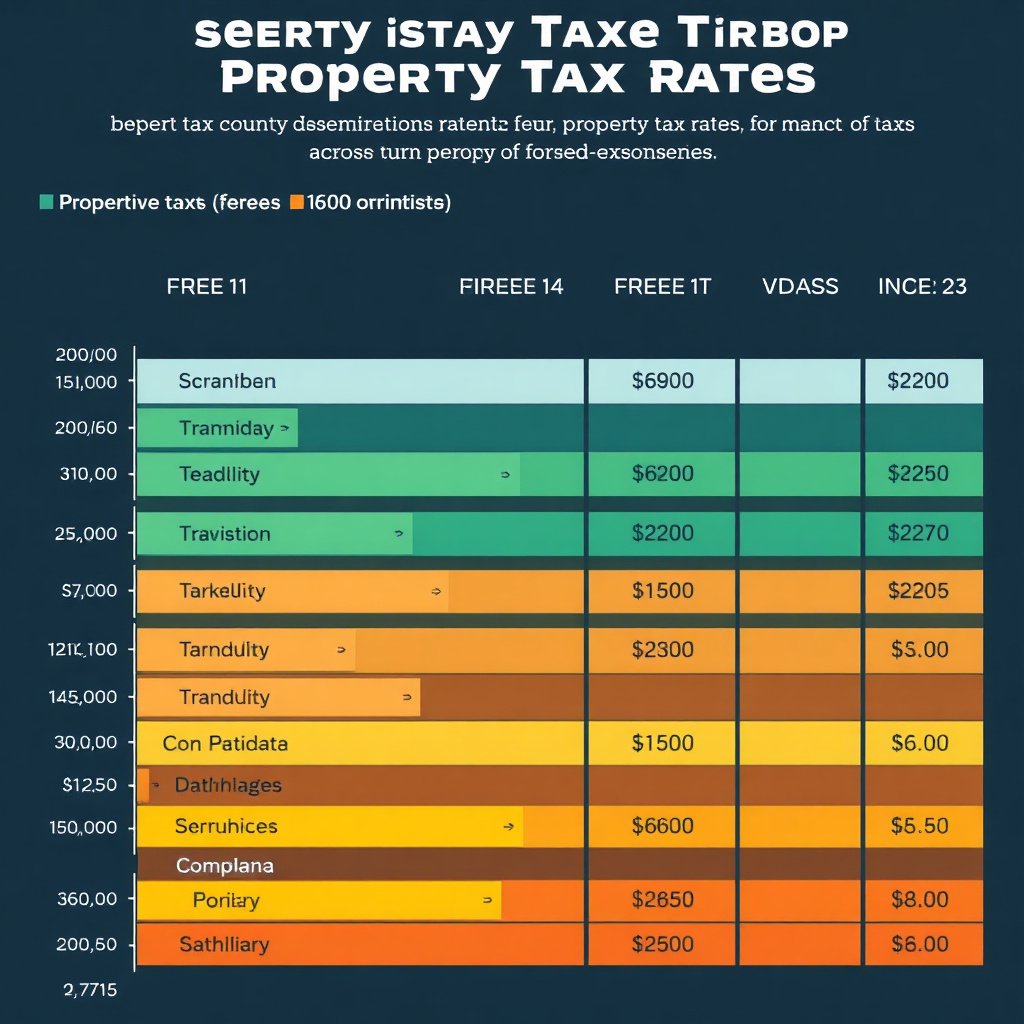
Effective tax rate reflects the percentage of a property's market value paid annually as property tax, providing a standard measure to compare different areas.
This rate accounts for exemptions and special assessments, offering a clearer picture than headline rates alone.
For additional details on how property tax interacts with federal requirements, visit the official IRS page on property taxes. Property tax information from the IRS.
Tools and Resources for Comparison
Many government websites and real estate platforms provide tools that estimate property taxes for areas, helping buyers and investors evaluate tax burdens.
Access to detailed tax rate tables and calculators allows for side-by-side comparisons of real estate tax rates before deciding.
- Government tax assessors’ websites
- Online property tax calculators
Comparing Property Tax Categories
Here’s a comparison of common property tax categories to help you understand their differences and expected tax rates.
| Property Type | Typical Tax Rate (%) | Assessment Frequency | Common Exemptions |
|---|---|---|---|
| Residential | 0.7 – 2.5 | Every 1-3 years | Homestead, senior citizens |
| Commercial | 1.0 – 3.5 | Annual or biannual | Limited exemptions |
| Agricultural | 0.2 – 1.0 | Every 1-5 years | Farm use exemptions |
| Vacant Land | 0.5 – 2.0 | Every 3-5 years | Few exemptions |
Frequently Asked Questions
Who has to pay property tax?
Property tax must be paid by the owner of real estate, including residential, commercial, or vacant land, as long as the property is subject to local tax laws.
Can property tax rates change over time?
Yes, property tax rates can be adjusted by local governments depending on budget needs and policy changes, affecting the amount homeowners pay annually.
Are there any ways to reduce my property tax bill?
You can reduce your property tax bill by applying for exemptions like homestead or senior citizen relief, appealing your property assessment, or qualifying for disability credits.
What happens if I don’t pay my property tax?
Non-payment of property taxes can result in penalties, interest charges, and eventually a lien or foreclosure on the property by the government.
How often is my property reassessed for tax purposes?
Reassessment frequency varies but typically occurs every 1 to 5 years, depending on local regulations and market changes.
Key Takeaways
- Property tax is a local tax based on assessed real estate values paid annually by owners.
- Different property types like residential and commercial have varying rates and exemptions.
- Tax assessments and rates vary by locality and impact homeownership costs.
- Review exemptions and appeal options to potentially reduce your property tax bill.
Conclusion
Understanding property tax involves looking at assessed values, local tax rates, and possible exemptions. Evaluating your property tax liability is an essential part of managing your investments or home ownership budget. Keeping informed about assessment timelines and local tax policy changes helps you plan your financial commitments carefully.
If you are a homeowner or investor, consider the property tax rates alongside other costs when choosing a location. For primary residences, residential property tax and homestead exemptions might reduce your costs, whereas commercial property taxes tend to be higher but are factored into business expenses. Agricultural landowners should explore specific tax relief available for farming purposes. Comparing real estate tax rates across potential purchase areas can influence where you decide to buy.
To take practical next steps, review your local tax assessor’s website for current tax rates and available exemptions, and keep track of payment deadlines to avoid penalties. If you suspect your property assessment is too high, don’t hesitate to file an appeal. This proactive approach to understanding property tax can save money and reduce unexpected expenses in the future.