How Much Does a Septic System Cost? A Detailed Breakdown
A typical septic system costs between $3,000 and $7,000 for installation, but the overall price can vary significantly depending on factors like system type, soil conditions, and local regulations. Replacement and repair costs also affect the total expenses associated with owning a septic system.
Understanding the precise costs of a septic system matters because it helps homeowners budget for installation and ongoing maintenance. Since septic systems are essential for homes without access to municipal sewer lines, knowing these costs avoids surprises and ensures proper system choice and upkeep.
This article covers the complete financial picture of septic systems, including installation fees, different system types, maintenance costs, repair expenses, and tips for cost-saving. You’ll also find a comparison of common septic system categories and answers to frequent questions.
Installation Costs of Septic Systems
Factors Influencing Installation Cost
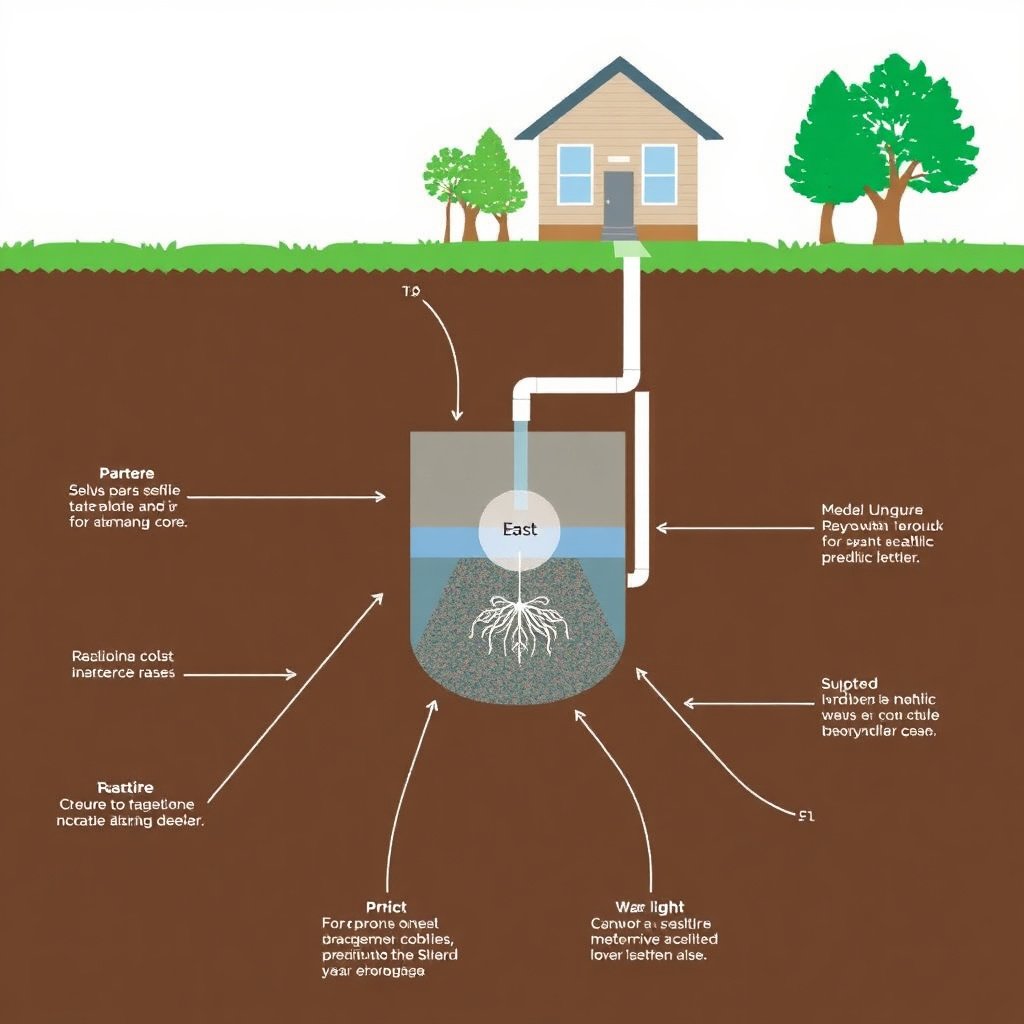
Installation costs vary based on soil type, property size, system complexity, and local permitting requirements. For example, rocky soil or high water tables can increase excavation and system design fees, pushing costs beyond the typical $3,000 to $7,000 range.
Site accessibility and the need for specialized equipment also affect pricing. Additionally, obtaining necessary permits and inspections contributes to the initial fees, sometimes adding several hundred dollars to the total.
- Soil quality and percolation rates
- Property size and layout
- Permit and inspection fees
- Access for excavation vehicles
Comparing Conventional and Alternative System Installations
Conventional septic systems, which include a drain field and septic tank, tend to be less expensive to install compared to alternative systems designed for challenging sites. Alternative systems like mound or aerobic treatment units can cost $10,000 or more upfront.
While alternative systems have higher installation costs, they may be necessary for homeowners with small or difficult lots to meet local health codes, making them a required investment despite the premium price.
- Conventional systems: $3,000–$7,000
- Mound systems: $10,000–$20,000
- Aerobic treatment units: $7,000–$15,000
Septic System Maintenance and Operating Costs
Routine Maintenance Expenses
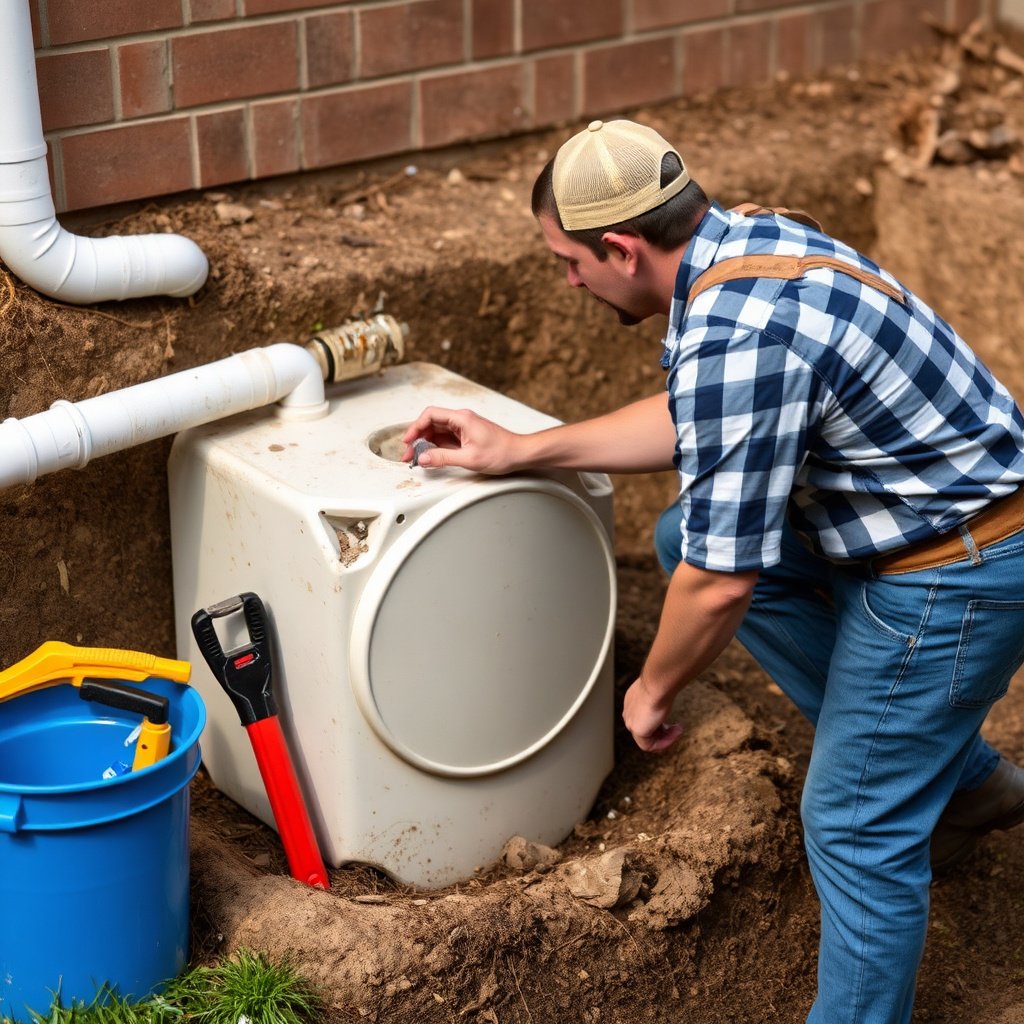
Annual septic system maintenance usually costs between $200 and $400. This includes inspections, system pumping every 3 to 5 years, and minor repairs that keep the system operating efficiently and prevent costly failures.
Regular maintenance reduces the risk of backups and groundwater contamination. Hiring a licensed septic professional to perform inspections ensures the system complies with local regulations and performs optimally.
- Pump tank every 3-5 years: $250-$500
- Annual inspections: $100-$200
- Minor repairs or component replacements
Energy and Water Usage Impact
Some systems, especially aerobic treatment units, require electricity to operate pumps or aerators, increasing utility costs by $10 to $50 per month. Conventional gravity-fed systems do not have these energy costs.
Water conservation also influences septic longevity. Excessive water use can overwhelm the system, leading to premature failure and increased maintenance expenses.
- Aerobic units: $10-$50 monthly electricity
- Gravity systems: negligible energy cost
- Water-saving fixtures help reduce wear
Repair and Replacement Costs for Septic Systems

Common Repairs and Their Costs
Typical septic system repairs include fixing broken pipes, replacing baffles, and addressing drain field failures. Repair costs range from a few hundred dollars to $5,000 depending on the issue and location of the problem.
Prompt repairs prevent escalating damage; ignoring warning signs like slow drains or foul odors can lead to extensive drain field replacement, which is much more expensive.
- Pipe repair: $300-$1,000
- Baffle replacement: $200-$600
- Pump replacement: $1,000-$2,500
For more on this, see our related guide: How Much Does It Cost to Install a Septic System? Complete Pricing Guide.
When and How to Replace a Septic System
Most septic systems last 20 to 40 years, but when signs of failure intensify, full system replacement might be necessary. Replacement costs typically range from $5,000 to $20,000 depending on system type and site conditions.
Replacing a septic system involves detailed soil testing, permitting, and excavation. Planning for replacement early based on system age and condition can help manage costs and avoid emergency situations.
- Typical lifespan: 20-40 years
- Replacement cost: $5,000-$20,000
- Factors: soil tests, permits, system type
How to Save Money on Septic System Expenses

Preventative Maintenance Strategies
Preventative care such as regular inspections, tank pumping, and water usage control prolongs system life and prevents costly repairs. Avoid flushing non-biodegradable materials or heavy chemicals that damage septic components.
Landscaping to protect the drain field from heavy machinery and directing roof drains away from the system also reduce risk of damage.
- Schedule maintenance every 3-5 years
- Use water wisely and avoid harsh chemicals
- Protect drain field from heavy loads
Financial Assistance and Insurance Options
Some local governments offer grants or low-interest loans to help with septic system installation or replacement. Additionally, specialized septic system insurance policies can cover certain repairs or damages.
Researching local assistance programs and consulting with insurance providers may reduce out-of-pocket expenses significantly.
- Check for state/local financial aid
- Consider septic system insurance
- Plan budgets with emergency funds
Understanding Septic System Types and Their Costs

Traditional vs. Modern Septic Systems
Traditional septic systems involve a simple septic tank and drain field, suitable for many rural properties. Modern systems incorporate advanced treatment or mound designs to handle difficult soils or environmental regulations.
Modern septic systems, while pricier initially, may be essential for protecting groundwater or meeting stricter codes in certain locations.
For more on this, see our related guide: How to Inspect a Septic System: A Step-by-Step Guide.
Cost Implications by System Type
Costs vary with system complexity: conventional systems are the most affordable, while aerobic or mound systems can more than double installation prices. Maintenance and operational expenses also differ, with some requiring electric pumps and more frequent inspections.
Choosing the system that fits the site’s requirements and budget ensures compliance and long-term savings.
- Conventional: $3,000-$7,000 installation
- Mound system: $10,000-$20,000 installation
- Aerobic system: higher energy and maintenance cost
Permits, Regulations, and Their Impact on Cost
Local Regulations Affecting System Cost
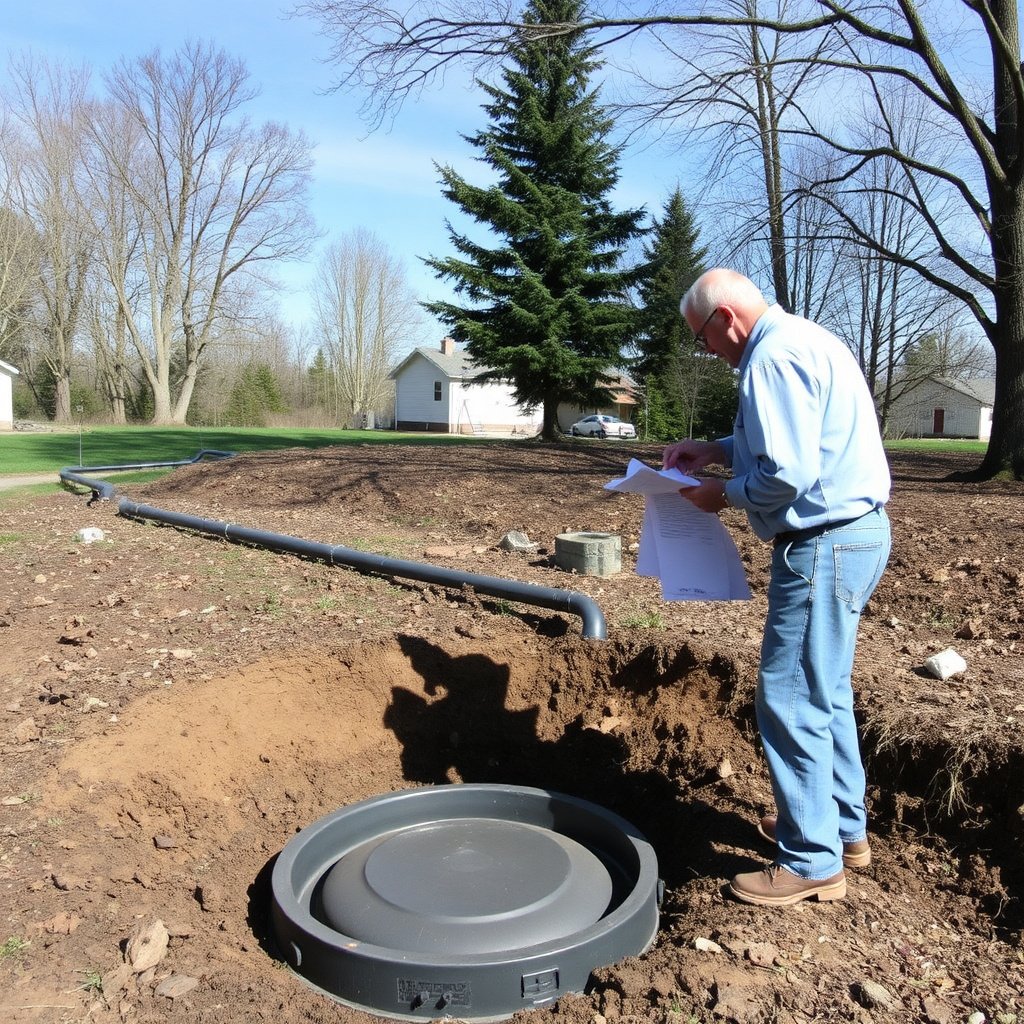
Local health departments impose regulations influencing septic system design and installation procedures. More stringent environmental protection laws often lead to higher compliance costs, altering overall project budgets.
Obtaining permits requires time and fees, which vary by jurisdiction and may add hundreds or thousands of dollars depending on the scope.
- Permit fees vary widely by location
- Regulations affect system complexity
- Inspection requirements add costs
For a comprehensive overview of septic system technology and history, see this detailed septic system information resource. Septic system information.
How to Navigate Permitting Efficiently
Early consultation with local authorities and professional installers can streamline permitting and reduce delays. Understanding local codes ahead of time helps avoid unexpected expenses or rework due to non-compliance.
Many installers handle permitting as part of their service, which can simplify the process and provide more accurate cost estimates.
Septic System Category Cost Comparison
This table compares key septic system types by installation cost, maintenance needs, and typical lifespan.
| System Type | Installation Cost | Annual Maintenance Cost | Typical Lifespan (Years) |
|---|---|---|---|
| Conventional System | $3,000 – $7,000 | $200 – $400 | 20-30 |
| Mound System | $10,000 – $20,000 | $300 – $500 | 20-30 |
| Aerobic Treatment Unit | $7,000 – $15,000 | $400 – $600 + electricity | 20-30 |
| Drip Distribution System | $8,000 – $15,000 | $250 – $450 | 20-30 |
Frequently Asked Questions
How often should a septic tank be pumped?
Typically, septic tanks require pumping every 3 to 5 years to prevent sludge buildup and system failure, though frequency depends on tank size and household water use.
Can I install a septic system myself?
DIY installation is not recommended because septic systems must meet local codes and regulations, require permits, and need professional expertise to ensure proper functioning and environmental safety.
What are signs that my septic system needs repair?
Slow draining fixtures, sewage odors, wet spots near the drain field, or sewage backups indicate the septic system may need professional inspection and repairs.
Is septic system maintenance tax-deductible or eligible for grants?
Generally, septic system maintenance is not tax-deductible, but some regions offer grants or low-interest loans to assist with installation or replacement costs.
How long does a typical septic system last?
Most septic systems have a lifespan ranging from 20 to 40 years, depending on installation quality, maintenance frequency, and site conditions.
Key Takeaways
- Septic system installation costs usually range from $3,000 to $7,000 but vary by type and site conditions.
- Regular maintenance costing $200-$400 annually prevents costly repairs and system failures.
- Alternative septic systems can be significantly more expensive but necessary for challenging sites.
- Permitting and local regulations impact costs, so early communication with authorities is beneficial.
Conclusion
Deciding how much to spend on a septic system involves balancing upfront installation costs with long-term maintenance and potential repair expenses. Understanding the variables like system type, soil conditions, and local regulations helps homeowners make informed investments that protect their property and the environment. Evaluating these factors early reduces surprises and supports a system’s longevity.
For many properties, conventional septic systems provide a cost-effective, reliable solution within the $3,000 to $7,000 installation range. However, homeowners with difficult terrain or stricter environmental guidelines may need to consider alternatives like mound or aerobic systems, which increase initial costs. Regular maintenance remains essential across all types to avoid expensive repairs and ensure safe wastewater management.
Before proceeding, consult with a licensed septic professional to assess your specific site requirements and obtain accurate estimates. Investigate local regulations and possible financial assistance programs to reduce costs. By combining careful planning with routine upkeep, you can secure a septic system that fits your budget and performs well for decades.