How to Finance Land: A Practical Guide for Buyers
Financing land involves securing a loan specifically designed for purchasing unimproved or raw property, which often requires different strategies compared to traditional home mortgages. Unlike home loans, lenders see land loans as riskier, so approval hinges on the land type, intended use, and your financial profile. Understanding the steps to finance land helps you prepare, choose suitable lenders, and secure favorable terms.
This process matters because land loans typically come with higher down payments, steeper interest rates, and shorter terms than conventional mortgages. Without the structure of a house or business on the property, lenders have less collateral assurance, leading to stricter lending criteria. Navigating these factors carefully can save you time and money while matching a loan to your land goals.
This article explains various ways to finance land, explores different lender types, loan structures, and application tips. You’ll learn about specific land loan types, how usage affects financing options, necessary documentation, and a comparison of categories to identify the best fit for your situation.
Understanding Different Types of Land Loans
Raw Land Loans: Financing Untouched Property
Raw land refers to undeveloped property with no access to utilities or roads, posing higher risks for lenders due to uncertainties in future development and resale. Loans for raw land usually require larger down payments, often 30% or more, and carry higher interest rates compared to other loan types, reflecting this added risk.
Borrowers should be prepared for shorter loan terms around 5 to 15 years, which often means larger monthly payments. Lenders may also require a detailed plan for the land's intended use to assess repayment feasibility.
Improved Land Loans: Financing Developable Property
Improved land has access to infrastructure like roads, utilities, or sewage systems, lowering lending risk. Because the land is closer to being build-ready, lenders view loans for improved parcels as more secure, leading to somewhat better terms and lower down payment requirements, sometimes as low as 20%.
Loan terms for improved land usually extend longer than raw land loans, typically 10 to 20 years, giving borrowers more manageable monthly payments. Many lenders will also inquire about construction plans if borrowing with the intention to build soon.
Loan Sources and Lenders for Land Financing
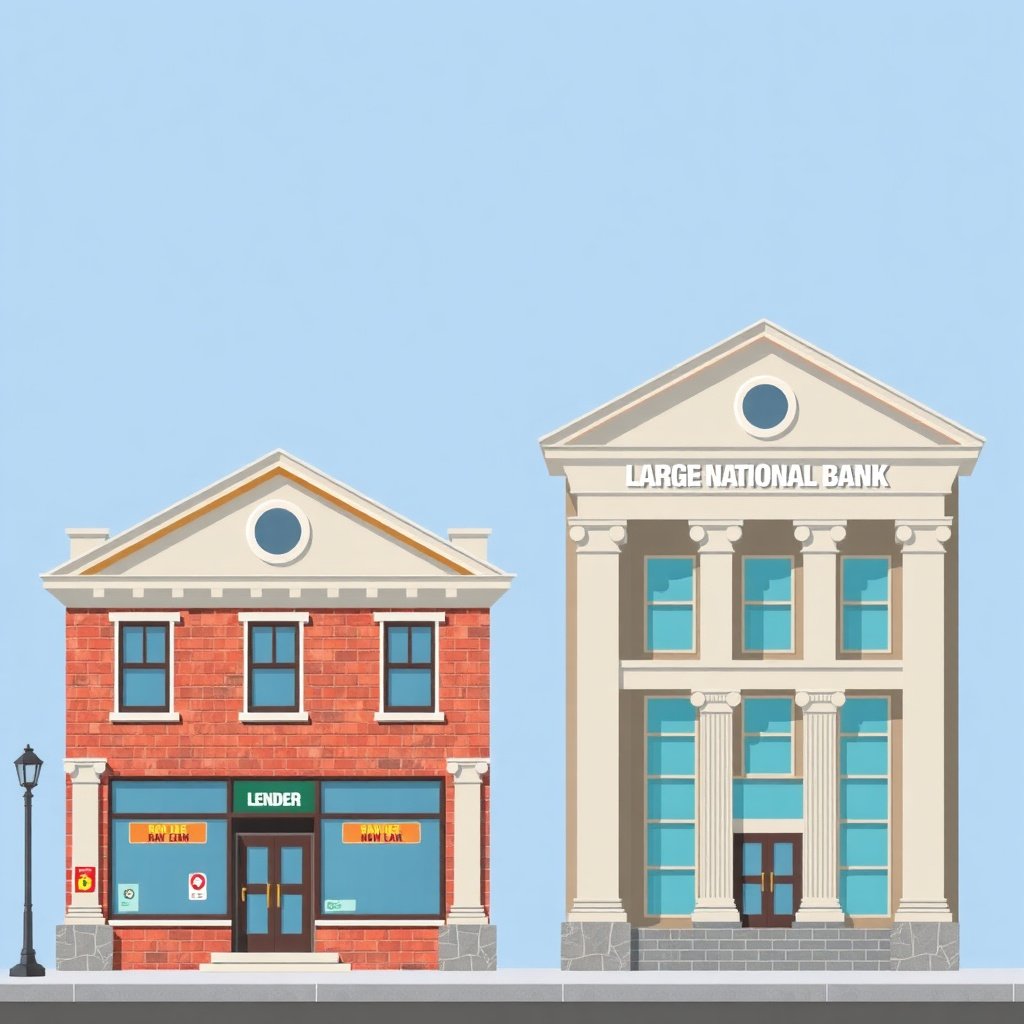
Traditional Banks and Credit Unions
Local banks and credit unions often specialize in land loans within their service areas, providing borrowers with personalized service and potentially competitive interest rates. However, these institutions tend to require substantial proof of land use plans and sound financial standing due to the higher risk nature of land loans.
Applying through these lenders involves thorough credit evaluation and may benefit from existing banking relationships, which could improve loan terms or negotiation flexibility.
Specialty Land Loan Companies and Dealers
Specialty lenders focus exclusively on land loans and are more flexible with unconventional or higher-risk land parcels, including raw land or acreage in rural locations. While their qualification standards might be less stringent, the tradeoff often comes in the form of higher interest rates and fees.
These lenders cater to buyers who plan long-term investments or development projects on their land, and they often offer educational resources to help buyers navigate the complexities of land financing.
Key Factors Affecting Land Loan Approval and Terms
Creditworthiness and Financial Profile
A strong credit score, stable income, and low debt-to-income ratio are critical for securing favorable land loan conditions. Because land loans are riskier, lenders heavily weigh these factors to mitigate default risk.
Borrowers with impeccable credit histories may qualify for lower interest rates and flexible terms. Conversely, those with weaker profiles might face higher rates or require larger down payments to offset lender risk.
For more on this, see our related guide: How to Finance a Vacation Home: A Practical Guide for Buyers.
Intended Use and Zoning Restrictions
Loan approval depends on the proposed use of the land and local zoning laws. Agricultural, residential, or commercial plans affect loan type eligibility and terms. Showing a clear, feasible plan increases lender confidence.
Properties restricted by zoning or environmental regulations may limit lender willingness to finance, especially for raw land. Buyers should research zoning restrictions before applying to streamline approval.
Application Process and Documentation for Land Loans
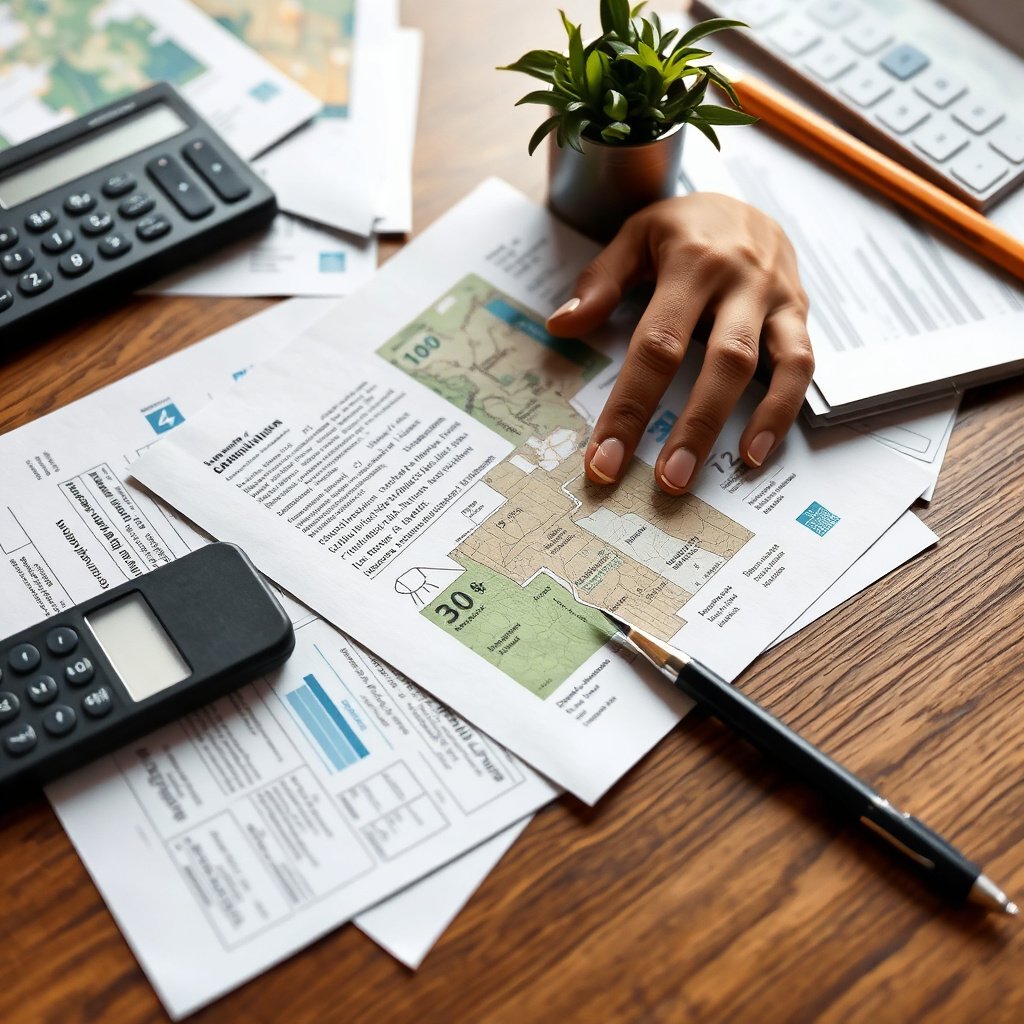
Gathering Essential Financial Documents
Applying for a land loan requires submitting income statements, tax returns, credit reports, and proof of assets to demonstrate repayment capability. Lenders analyze these documents thoroughly due to the risk associated with land loans.
Additional documentation may include bank statements and existing debts. Organizing these early accelerates the review process and helps identify issues beforehand.
Providing Land-Specific Information
Lenders need detailed information about the land parcel, including surveys, appraisals, title reports, and details about access to utilities and roads. Demonstrating clear ownership and use rights is vital.
Supplying a development or usage plan can bolster your application by clarifying your intentions and showing feasibility, reducing lender concerns over loan repayment.
Cost Considerations and Financial Planning for Land Loans
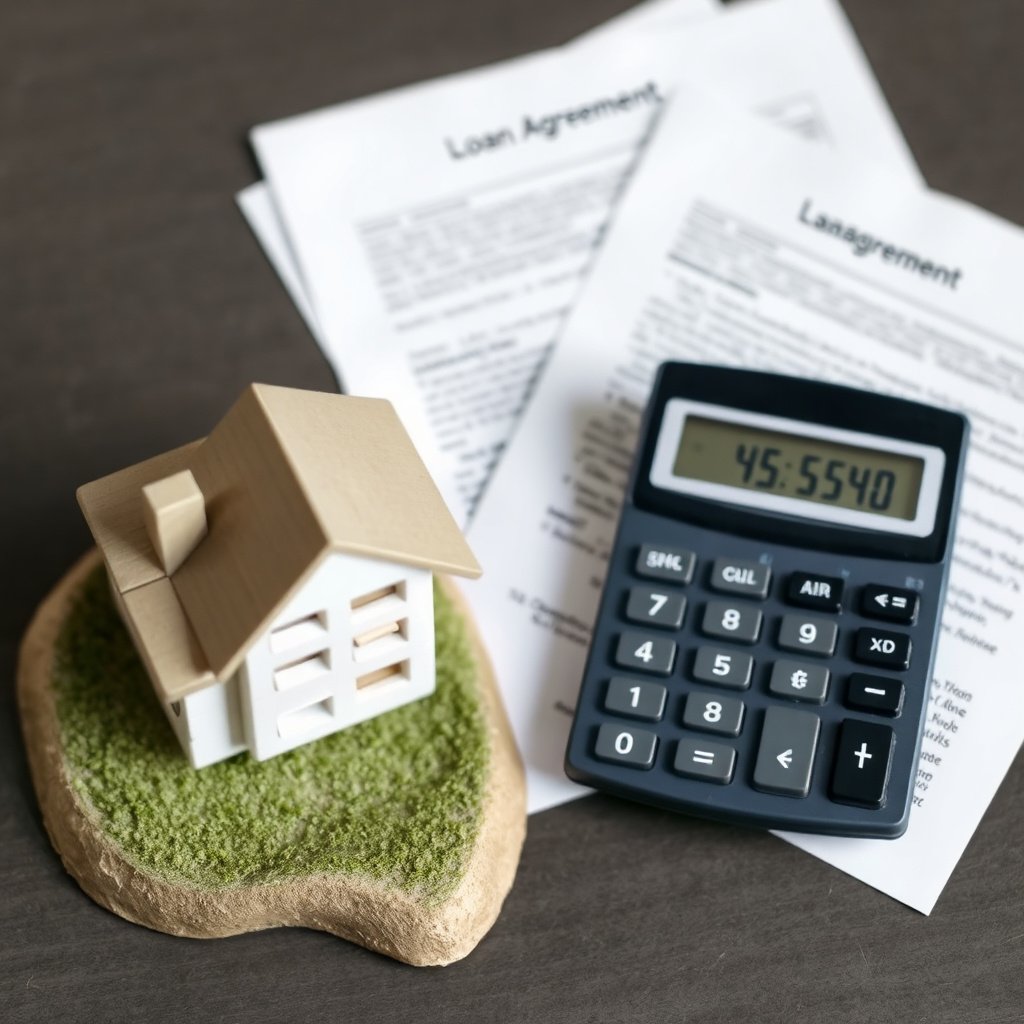
Estimating Total Costs Beyond the Purchase Price
Land loans often entail additional costs like higher down payments, appraisal fees, survey costs, property taxes, and insurance. Factoring these into your budget early prevents surprises.
Interest rates tend to be higher for land loans than home loans, and shorter terms can drive monthly payments higher. Preparing a complete cost estimate helps ensure the loan fits within your financial plans.
- Down payment typically 20-50%
- Closing fees including appraisal and title insurance
- Ongoing property taxes and land insurance
For more on this, see our related guide: Can You Buy Land with No Money Down? A Practical Guide to Zero Down Land Purchases.
Planning for Future Development or Sale
If you plan to develop or resell the land, include these timelines and costs in your financial plan. Early groundwork like clearing, utilities installation, or zoning changes may require additional funding.
Lenders might offer construction loans or lines of credit to support development stages, but these should be arranged separately. Having a clear timeline aids in managing loan repayment and investment returns.
Alternatives to Traditional Land Loans

Seller Financing and Owner Carryback Options
Some sellers offer direct financing, allowing buyers to bypass traditional lenders. These arrangements typically require a negotiated down payment and monthly payments directly to the seller, often with flexible terms.
Seller financing can simplify qualification since the seller sets terms, but buyers should ensure clear contracts and understand the legal implications to avoid issues.
For further details on government-backed land finance options, the USDA offers comprehensive single-family housing loan programs. Land finance information from USDA.
Using Home Equity or Personal Loans
Borrowers with existing home equity may leverage it to finance land purchases via home equity loans or lines of credit, usually at lower interest rates than land loans.
Personal loans or lines of credit are another option for smaller parcels or when other financing is unavailable, but typically come with higher interest rates and shorter repayment periods.
Land Financing Options Comparison
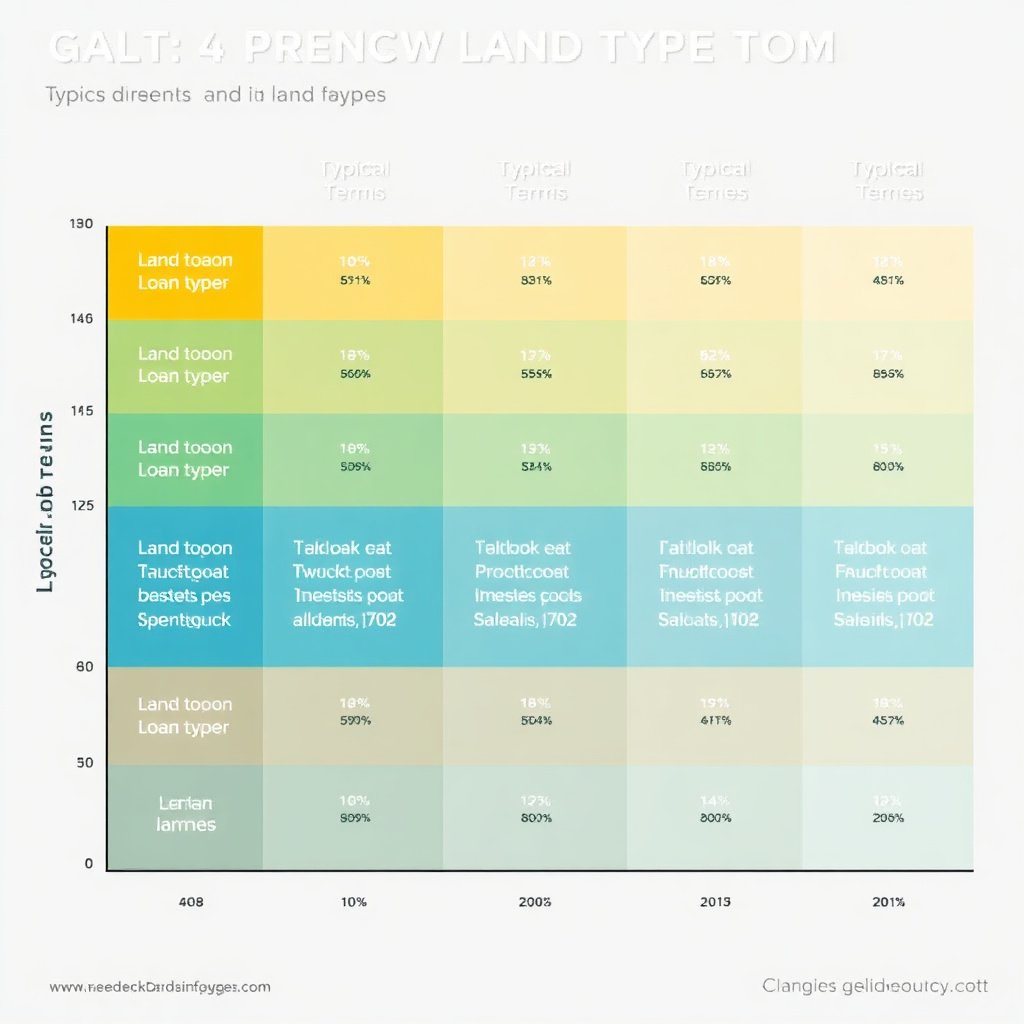
This table summarizes key differences among popular land loan types to help you compare terms, risks, and suitability.
| Loan Type | Down Payment | Typical Interest Rate | Term Length | Best For |
|---|---|---|---|---|
| Raw Land Loan | 30-50% | 8-15% | 5-15 years | Undeveloped, remote parcels |
| Improved Land Loan | 20-30% | 6-12% | 10-20 years | Parcels with utilities and road access |
| Seller Financing | Varies | Negotiable | Varies | Flexible terms, limited credit qualification |
| Home Equity Loan | Depends on equity | 4-10% | 5-30 years | Buyers with sufficient home equity |
| Personal Loan | N/A | 7-20% | 1-7 years | Small parcels or quick financing needs |
Frequently Asked Questions
Can I use a standard mortgage to finance raw land?
Standard mortgages rarely finance raw land because lenders consider it high risk without structures. Specialized land loans or alternative financing methods are usually necessary.
How much should I expect to put down when financing land?
Down payments on land loans typically range from 20% to 50%, with raw land requiring higher down payments due to increased lender risk.
What credit score do I need to qualify for a land loan?
Most lenders prefer credit scores above 620 for land loans, but higher scores improve terms and ease of approval.
Is seller financing a good option for land purchases?
Seller financing can be a good option for buyers who struggle with traditional loans, offering flexible terms, but careful contract review is essential.
Are there tax benefits to owning land financed by a land loan?
Tax benefits depend on how you use the land; agricultural or business use may offer deductions, but investment land usually has limited tax advantages.
Key Takeaways
- Land loans differ significantly from traditional mortgages in terms and requirements.
- Raw land loans are riskier and demand higher down payments and interest rates.
- Understanding lender types helps find financing tailored to your land and goals.
- Alternatives like seller financing and home equity loans offer flexible options.
Conclusion
Choosing how to finance land depends largely on the type of land, its intended use, your financial profile, and your willingness to manage loan terms that are generally tighter than home mortgages. Carefully comparing loan types, lender requirements, and borrowing conditions is crucial to avoid costly surprises and to select a loan that aligns realistically with your project and budget.
For those considering raw land parcels, specialized raw land loans with robust down payments are typical, while buyers targeting improved land can access somewhat easier loan terms. Those seeking flexibility might explore seller financing or tapping home equity, which can reduce borrowing costs. Each funding path carries trade-offs between accessibility, cost, and risk, so matching financing to your specific scenario is key.
Once you understand your financial capabilities and the land’s legal and zoning status, initiating contact with lenders or sellers provides clearer insights into viable loan options. Preparing thorough documentation and land use plans will speed approval. With this knowledge, you're now ready to approach land financing confidently, ensuring your land purchase advances smoothly toward your goals.