What Is the Best Month to Buy a House? Timing Your Home Purchase Right
The best month to buy a house is typically during the late fall and winter months, especially November through January. During this time, fewer buyers are active in the market, which often leads to less competition and more negotiable prices for homebuyers.
This trend occurs because many sellers prefer to list properties in spring or summer when homes show better, attracting the highest number of buyers. Meanwhile, buying during slower seasons can provide advantages like motivated sellers and lower sales prices, saving buyers money.
This article will explain why specific months, such as December and January, often offer prime opportunities to buy a house. It will also explore how housing market trends, seasonal factors, and local market conditions shape the ideal timing for your purchase.
Understanding Seasonal Fluctuations in the Housing Market
How Spring and Summer Affect Home Prices
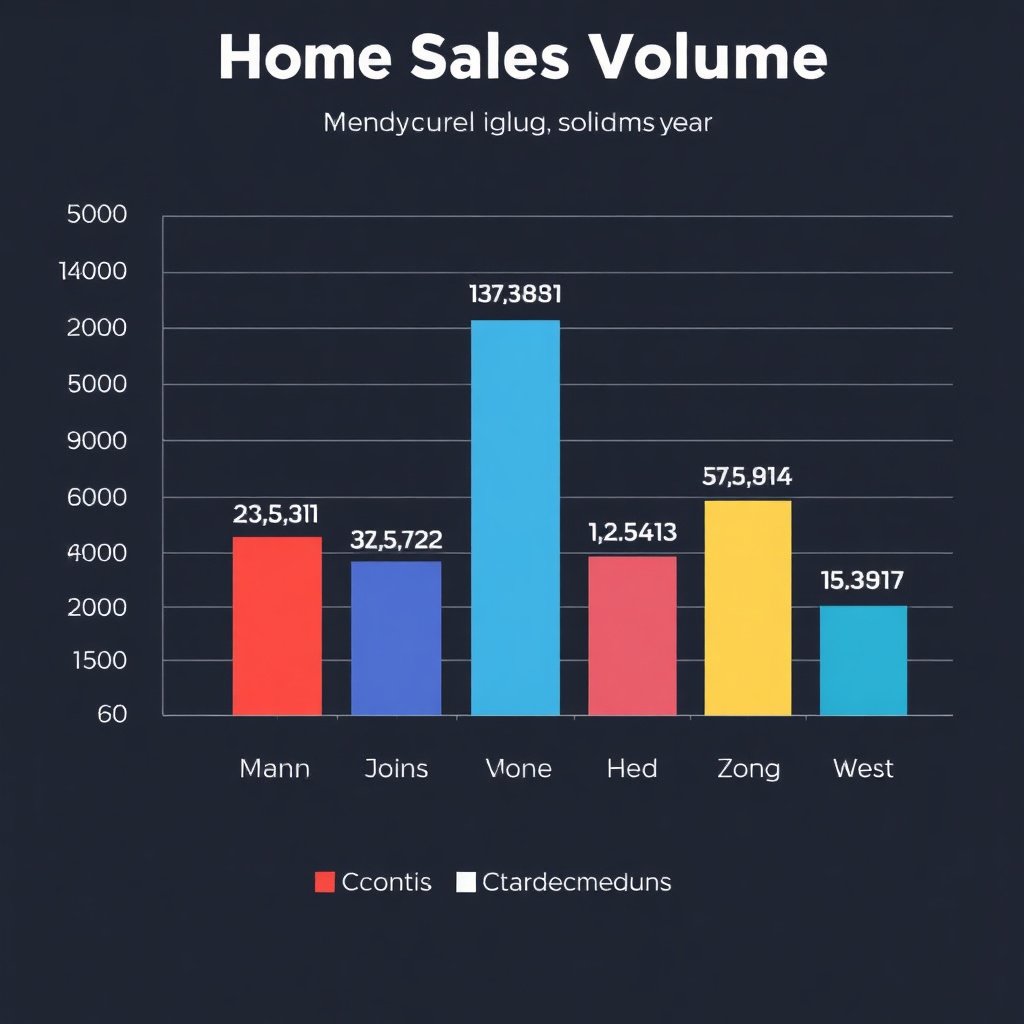
Spring and summer months usually see the highest number of home listings and increased buyer activity. Warmer weather and school schedules encourage families to move during these months, driving demand and pushing prices upward.
Sellers take advantage of the vibrant market by listing homes when properties show best, often leading to multiple offers and faster sales, which can raise the sale price above asking.
- Peak demand months: March to August
- Higher sales prices due to increased competition
- More property options for buyers
Why Fall and Winter Are Slower But Often Cheaper
During late fall and winter, colder weather and holidays reduce buyer interest. Many potential buyers pause home hunting, limiting competition and giving motivated sellers greater flexibility on price and terms.
While inventory may be lower, sellers often need to move quickly before year-end, leading to discounts and favorable negotiations for buyers willing to shop in this quieter period.
- Lower buyer competition
- Sellers more willing to negotiate
- Potential for better deals
Analyzing Market Conditions Beyond Seasonal Peaks
Impact of Interest Rates on Buying Timing
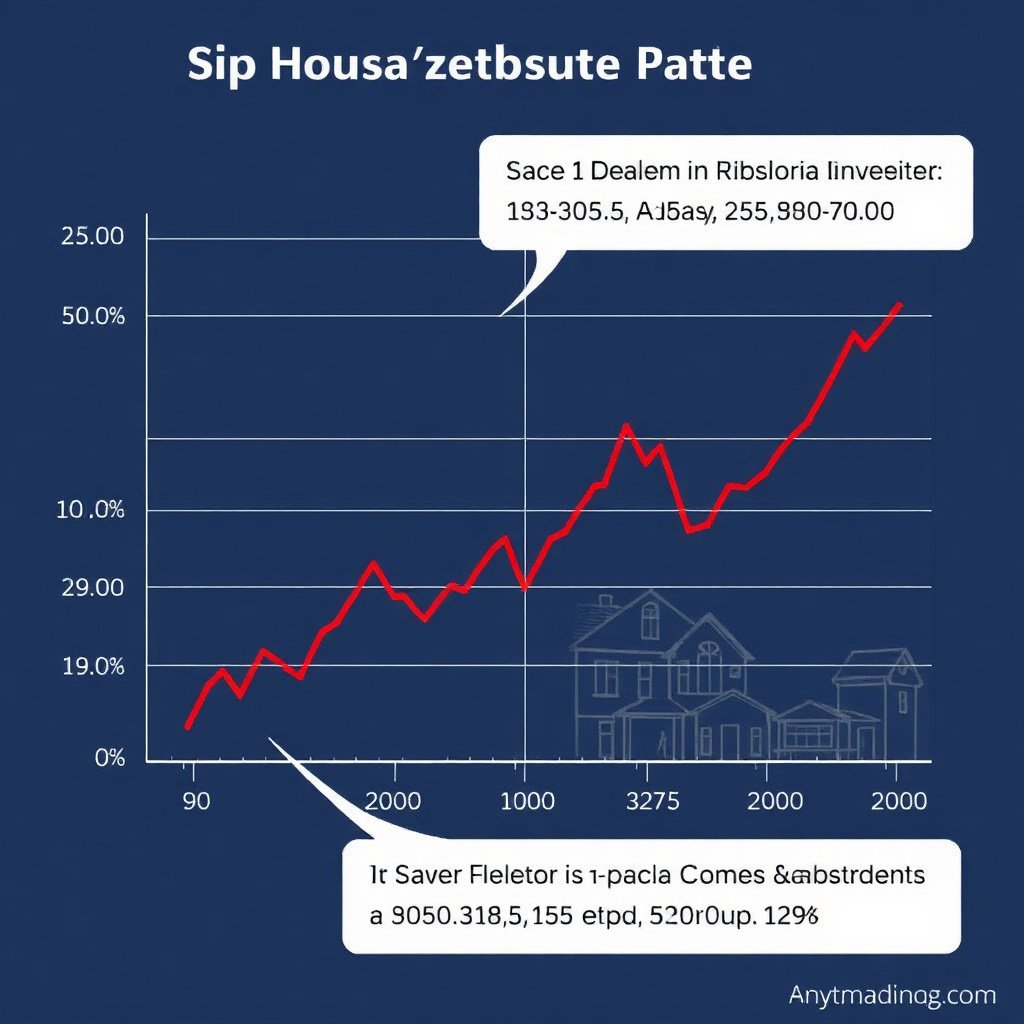
Interest rates profoundly influence monthly mortgage costs, making timing sensitive to rate changes. Lower rates generally spur buyer interest, sometimes minimizing seasonal effects by increasing demand year-round.
Tracking Federal Reserve actions and economic indicators can help prospective buyers identify windows where combining seasonal timing with favorable rates yields the best financial outcome.
- Lower interest rates increase affordability
- Rate hikes can slow market activity
- Monitoring economic forecasts assists in timing
Local Market Variations and Their Influence
National seasonal trends may not apply uniformly in every city or region. Some locales experience consistent demand through the year or have unique seasonal patterns based on climate or economic activities.
Homebuyers should research their specific market's sales cycles, inventory levels, and local economic health to decide the most advantageous month for purchasing a house.
- Climate influences buyer activity
- Local economy affects housing demand
- Inventory cycles vary regionally
Benefits of Buying a House in the Best Month

Negotiating Power and Price Advantages
Buying during off-peak months empowers buyers with greater negotiating leverage, as sellers are often motivated to close deals before the end of the year or tax season.
This dynamic can translate into reduced prices, seller concessions such as closing cost help, or added inclusions like appliances or repairs.
- More room for price negotiations
- Possibility of seller concessions
- Potential for fewer bidding wars
For more on this, see our related guide: How to Buy a Vacation Home at the Lake: A Practical Guide.
Less Competition and Stressful Home Search
Fewer buyers during the best months means less competition and more time to consider options thoroughly. This can reduce the pressure to make quick buying decisions or overpay.
A slower market pace allows for more detailed inspections, financing preparation, and bargaining without the rush of a hot market environment.
- Reduced stress from competing offers
- More time for home inspections and paperwork
- Better opportunity to evaluate homes carefully
Drawbacks of Buying a House in Off-Peak Months

Reduced Inventory and Limited Choices
Homebuyers in late fall or winter often face fewer listings, which may limit available styles, sizes, or neighborhoods to choose from.
This constraint requires flexibility or willingness to compromise on preferences, especially in highly competitive or high-demand areas.
- Smaller selection of homes available
- Possibly fewer new construction options
- Less diversity in property types
Challenges Related to Home Condition and Inspection
Cold, wet, or snowy weather during off-peak months can obscure problems such as roofing issues or landscaping defects, complicating inspection accuracy.
Buyers may need specialized inspectors or additional contingency clauses to address potential unseen damage.
- Weather can hide maintenance issues
- Need for more thorough inspections
- Possible surprises after purchase
Strategies for Timing Your Home Purchase

Using Market Data to Guide Your Search
Regularly reviewing housing market reports, median price trends, and days on market statistics helps pinpoint optimal buying periods tailored to your location.
Combining data analysis with personal financial readiness improves decision confidence and timing precision.
- Track monthly median sale prices
- Monitor inventory turnover rates
- Align financial readiness with market timing
For more on this, see our related guide: Best Time to Visit the Lake of the Ozarks for Ideal Weather and Activities.
Preparing Financially for the Best Buying Month
Getting pre-approved for a mortgage, improving credit score, and saving for down payment ahead of the ideal buying window allows quick action when opportunities arise.
Early preparation prevents delays that can cause missing out on the best offers during slower market months.
- Obtain mortgage pre-approval
- Optimize credit score in advance
- Save adequate funds for down payment and closing
How to Work With Real Estate Professionals on Timing

Leveraging Agent Expertise to Find Deals
Experienced agents monitor local trends and know when sellers become motivated. They can alert buyers to good timing or hidden off-market properties available in ideal months.
Their guidance enhances the likelihood of successful negotiation and selection in any seasonal market.
- Receive timely market updates
- Access pocket listings from agents
- Benefit from expert negotiation advice
For further insights on how housing markets fluctuate seasonally and over cycles, see this detailed overview of housing market seasonal trends. housing market seasonal trends.
Scheduling Home Viewings During Seasonal Changes
Agents can help arrange home tours and inspections during less favorable conditions, ensuring buyers see properties clearly despite seasonal challenges.
Proper scheduling allows buyers to assess homes thoroughly before committing.
- Plan inspections with seasonal awareness
- Use professional services for weather-impact assessment
- Maintain flexibility in touring homes
Best Months to Buy a House: Seasonal Market Comparison
The following table contrasts key characteristics of different months to help buyers understand when to find better prices or more options.
| Month | Average Competition Level | Median Price Trend | Inventory Available | Typical Buyer Benefits |
|---|---|---|---|---|
| January | Low | Lower than yearly average | Limited | Better prices; motivated sellers |
| April | High | Above yearly average | High | More choices; competitive prices |
| July | High | Above yearly average | High | Wide selection; school-year timing |
| October | Moderate | Moderate | Moderate | Less competition; good for negotiations |
| December | Very Low | Lowest prices | Lowest | Strong seller motivation; best deals |
Frequently Asked Questions
Is it cheaper to buy a house in winter?
Yes, buying a house in winter often means lower prices and less competition as fewer buyers shop during cold and holiday months.
Does the housing market always slow down in winter?
Typically, yes; but local factors like climate and economy can affect seasonal fluctuations, so some markets may stay active year-round.
Should I wait for interest rates to drop before buying a home?
Monitoring interest rates is wise, as lower rates lower monthly payments, but waiting too long might mean missing favorable home prices during certain months.
Does buying in spring guarantee the best home choices?
Spring offers the most inventory, but stronger competition can drive prices higher, so the best choice depends on buyer priorities and local market.
How can I negotiate better if buying in the best month?
Leverage reduced buyer competition, highlight any home flaws from inspections, and be ready to act quickly with financing pre-approved.
Key Takeaways
- Late fall and winter months typically offer the best prices and negotiating power for buyers.
- Spring and summer feature more inventory but higher prices and more competition.
- Local market and interest rate conditions influence the best timing for home purchases.
- Preparation and working with real estate experts improve success regardless of season.
Conclusion
Deciding the best month to buy a house involves weighing seasonal market dynamics alongside your financial readiness and local housing conditions. While data shows late fall and winter often provide lower prices and less competition, these benefits come with trade-offs like limited inventory and weather-related inspection challenges. By understanding both national trends and area-specific variations, you can better time your home purchase to maximize value and minimize stress.
For buyers focused on the best deal, targeting months like November through January often yields compelling opportunities with motivated sellers and room to negotiate. However, if selection is a priority or family scheduling dictates timing, spring and summer months may better suit your needs despite higher prices. In either scenario, keeping an eye on interest rates and earning mortgage pre-approval can significantly enhance your position, enabling quicker, more confident offers during your chosen buying window.
Ultimately, aligning your personal circumstances with market rhythms is key. Begin preparing months ahead by saving diligently and researching local housing trends. Consult knowledgeable real estate professionals who can identify advantageous market moments and tailor strategies to your goals. With informed timing and proper strategy, purchasing your next home can be a rewarding, financially savvy experience.