How to Buy a Vacation Home at the Lake: A Practical Guide
Buying a vacation home at the lake starts with clear priorities: selecting the right location, understanding the local market, and determining a budget that fits your financial goals. Success depends on knowing what kind of lake property suits your lifestyle, whether it's a cozy cabin or a modern waterfront house.
A lakefront vacation home offers more than a retreat; it can be a valuable investment, a place for family gatherings, or even a rental opportunity for extra income. Since these homes have specific maintenance needs and zoning laws, paying attention to these details early will save frustration later.
This article breaks down each step of the process from choosing the perfect lake, financing options, evaluating properties, managing legal considerations, and what to expect during inspections. By the end, you'll have a practical roadmap to confidently buy your lake vacation home.
Choosing the Ideal Lake Location
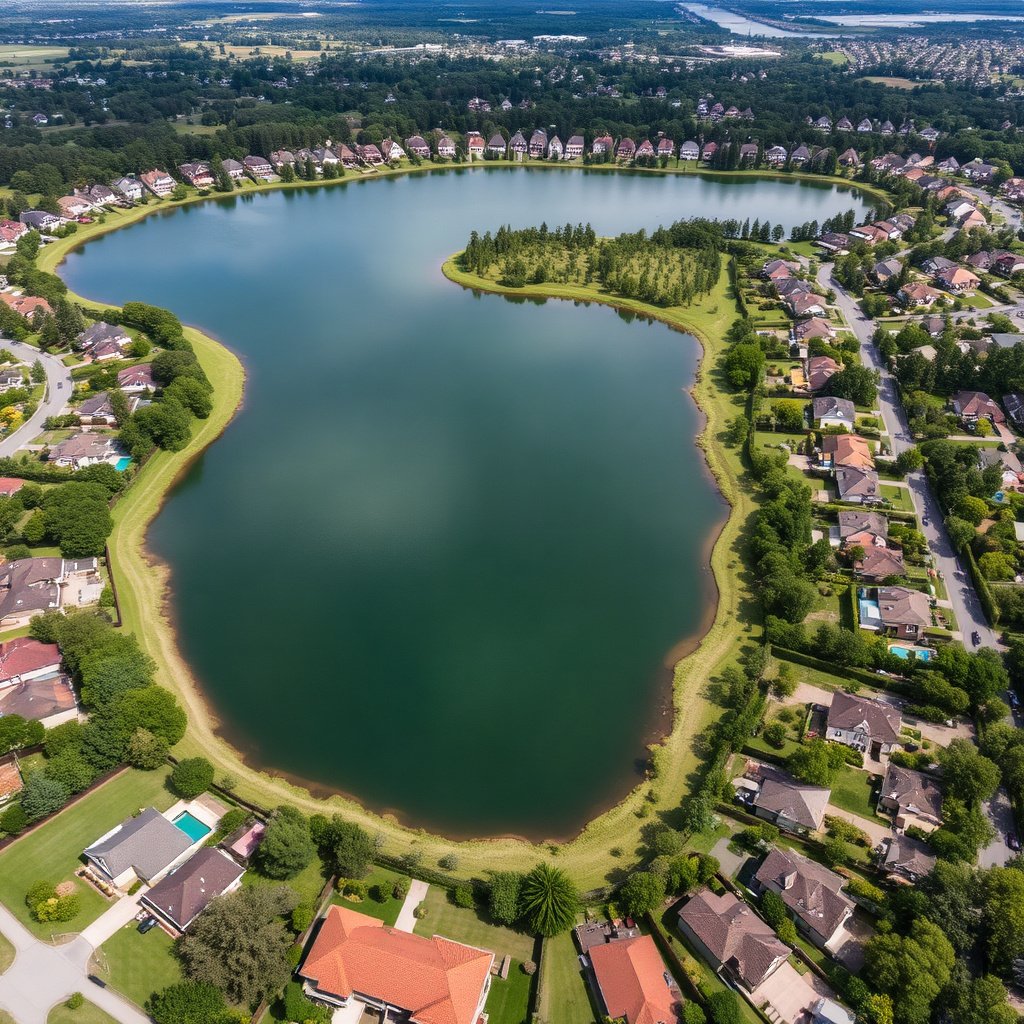
Evaluating Lake Features and Amenities
When selecting a lake for your vacation home, consider the size and depth, water quality, and public access. Lakes offering boating, fishing, and swimming enhance your recreational options. Check for amenities like marinas, parks, and nearby trails to maximize enjoyment.
Proximity to towns with grocery stores, medical facilities, and entertainment can make your stay more convenient. Some lakes are seasonal, while others maintain year-round appeal depending on weather and activities. Assess these features against how often and when you plan to use the property.
- Water clarity and safety
- Boat ramps and docks availability
- Nearby recreational facilities
- Accessibility during different seasons
Researching Local Market Trends
Lakefront real estate markets can fluctuate differently from urban areas. Investigate recent sales data, average property values, and days on market for the lake you're interested in. Understanding pricing trends helps you identify a good deal and avoid overpaying.
Consult local real estate agents specializing in waterfront homes, as they can provide insights about upcoming developments or regulations. Keep an eye on taxes, insurance rates, and any restrictions that could impact the property's value or your use.
- Historical price appreciation
- Volume of lakefront transactions
- Zoning and land use restrictions
- Property tax rates
Financing Your Lake Vacation Home

Loan Options for Vacation Homes
Financing a vacation home at the lake often requires different loan criteria than primary residences. Lenders usually require a larger down payment, typically 15-25%, and may have stricter credit score requirements. It’s important to compare loan options including conventional mortgages, FHA loans, or even home equity loans if you own another property.
Interest rates on second home loans can be higher than primary mortgages. Ensure you understand all upfront costs such as closing fees and appraisal charges, which might differ for lakefront locations. Budgeting for ongoing expenses is equally important.
- Conventional second home mortgages
- Home equity lines of credit
- FHA or VA loans (if eligible)
- Interest rates and down payment requirements
For more on this, see our related guide: Best Time to Visit the Lake of the Ozarks for Ideal Weather and Activities.
Budgeting for Additional Costs
Owning a lake vacation home involves costs beyond the mortgage: insurance premiums for flood or water damage, property taxes, and utility expenses can add up. Maintenance and repairs, especially due to exposure to water and weather, require a reserve fund.
If the property will be rented out at times, factor in property management fees, rental taxes, and marketing costs. A clear financial plan including these ongoing expenses can prevent surprises.
- Flood and hazard insurance
- Seasonal maintenance and repairs
- Property management services
- Utilities and local taxes
Inspecting and Evaluating Lakefront Properties
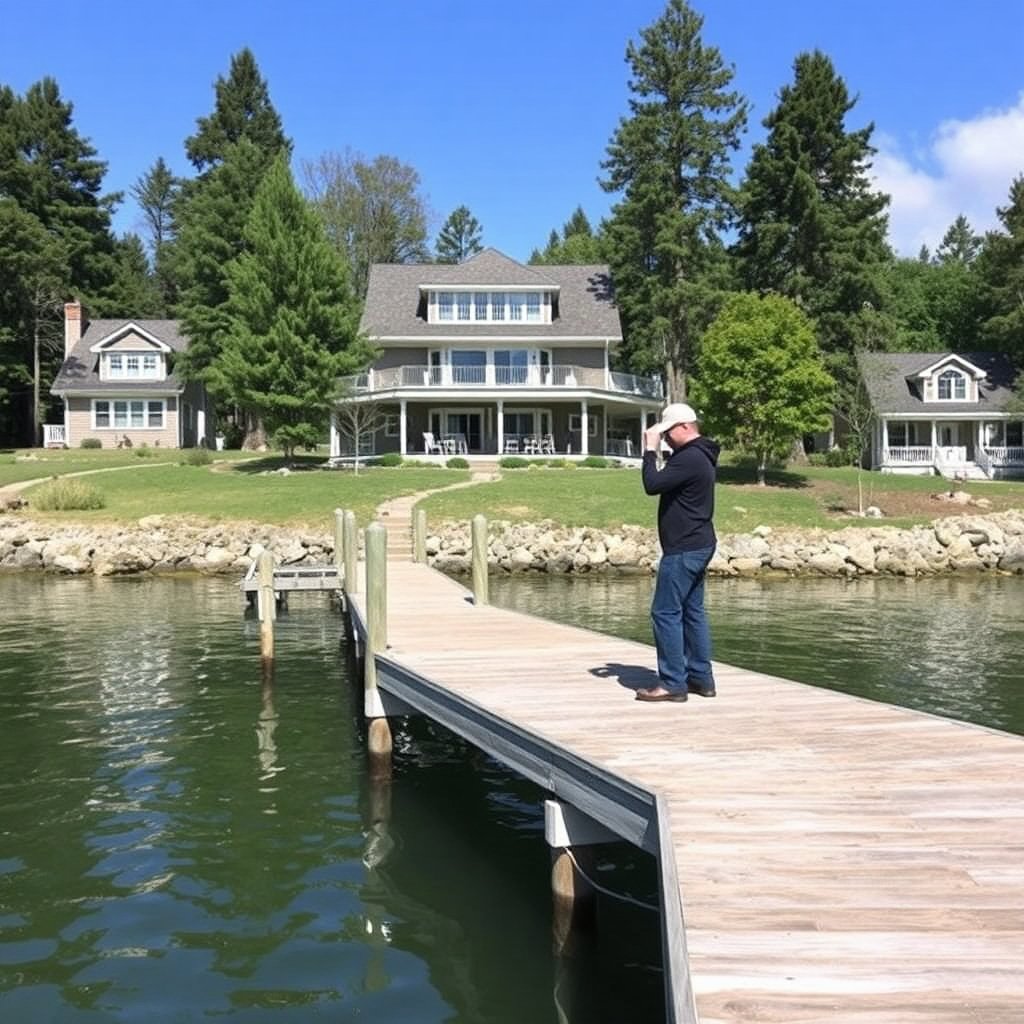
Critical Elements of a Lake Home Inspection
Inspectors should evaluate not only the home's structure but also its resilience to moisture and water-related issues. Look for signs of mold, wood rot, foundation cracks, and the condition of the septic or sewage systems which are common concerns near water.
Evaluating the dock and shoreline stability is essential for safety and future maintenance costs. Ensure the property adheres to local environmental regulations and that any waterfront structures have proper permits.
- Mold and mildew presence
- Foundation integrity near water
- Septic system functionality
- Dock and shoreline condition
Environmental and Zoning Considerations
Local zoning laws may restrict development or modifications to preserve lakeside ecosystems. Verify setbacks from the water, permissible dock sizes, and any restrictions on vegetation removal. These rules impact your ability to customize or expand the property.
Environmental factors such as erosion risks, flood zones, and water quality advisories should be researched. Properties in flood plains often require additional insurance and preventative measures.
- Setback and building restrictions
- Flood zone designation
- Environmental protection ordinances
- Erosion control measures
Legal and Ownership Issues

Title Search and Property Rights
A thorough title search confirms there are no liens or encumbrances on the property that could complicate ownership. For lake homes, verify water access rights and any shared ownership of docks or community areas.
Easements and rights-of-way might affect your use of the land or lake access, and knowing these upfront avoids disputes. Consulting a real estate attorney familiar with waterfront properties can provide peace of mind.
- Checking for liens or unpaid taxes
- Waterfront access rights
- Shared dock or community area ownership
- Easements affecting property use
For more on this, see our related guide: How Much Does a Lake House Cost at Lake of the Ozarks?.
Understanding Homeowners Associations (HOAs)
Many lake communities have HOAs that enforce rules on property appearance, dock usage, and common area maintenance. Before buying, review the HOA’s bylaws, fees, and any pending disputes or planned assessments.
While HOAs can protect property values and preserve the neighborhood, they can also limit flexibility. Knowing the HOA's policies helps you decide if it fits your lifestyle and expectations.
- HOA rules and restrictions
- Monthly or annual fees
- HOA meeting minutes and disputes
- Community maintenance services
Maintaining Your Lake Vacation Home
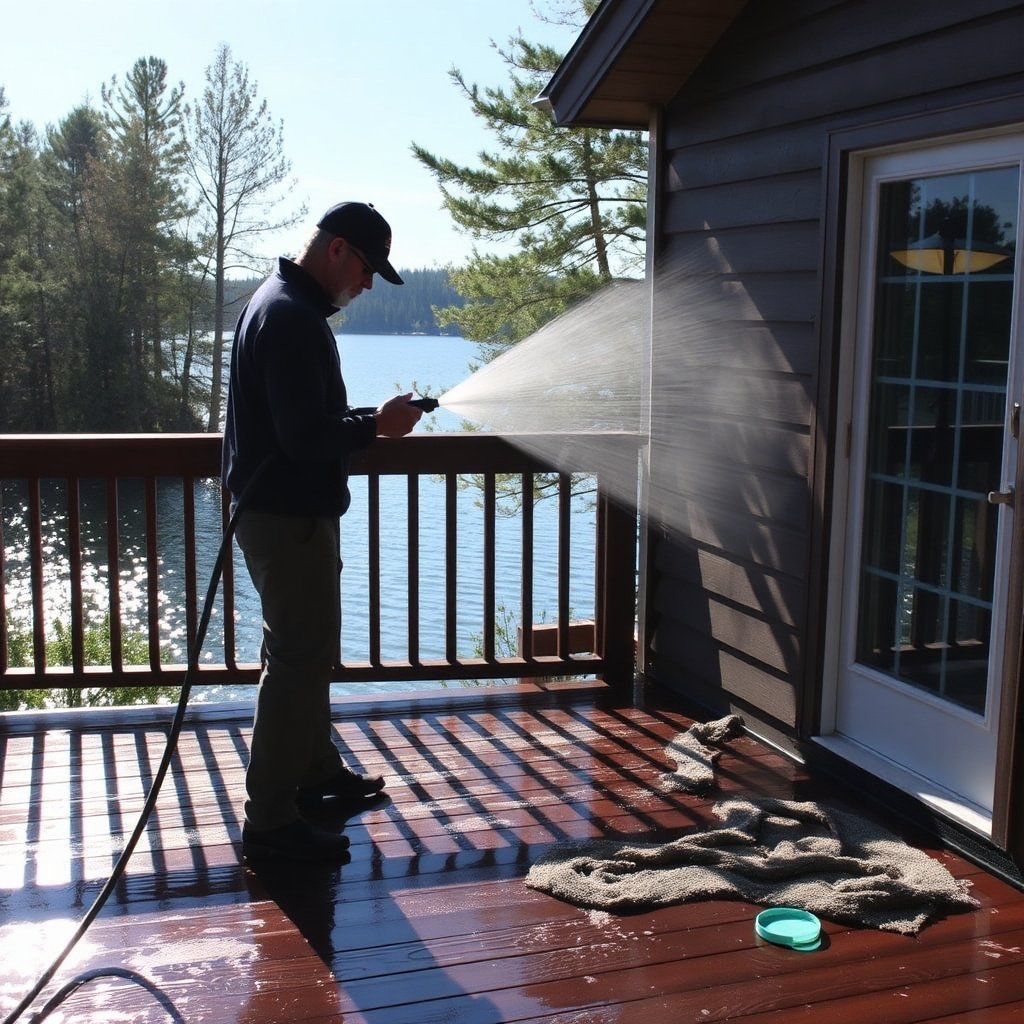
Seasonal Maintenance Tasks
Lake homes require routine care, especially after harsh weather. Tasks include winterizing plumbing, maintaining docks and boats, controlling mold growth, and clearing debris from water lines. Seasonal upkeep protects your investment and keeps the property safe year-round.
Regular inspection of roofing, gutters, and exterior finishes helps prevent water damage. Establishing a maintenance schedule based on local weather cycles will reduce costly repairs over time.
- Winter plumbing protection
- Dock and boat maintenance
- Mold and mildew control
- Roof and gutter inspections
For more advice on purchasing vacation properties, this expert guide on vacation home buying tips offers valuable information. Vacation home buying tips.
Managing Rentals and Guests
If you plan to rent your lake vacation home, prepare it for guests with clear guidelines and safety instructions. Maintain insurance that covers short-term rentals and consider hiring property managers for regular checkups.
Create a checklist for cleaning, stocking essentials, and emergency contacts. Effective management improves guest experiences and preserves your property’s condition between stays.
- Guest safety protocols
- Rental insurance coverage
- Professional property management
- Inventory and cleaning checklists
Lake Vacation Home Property Types Comparison
Here’s a comparison of common lake vacation home types to help you decide what suits your preferences and budget.
| Property Type | Typical Price Range | Maintenance Level | Rentability | Privacy |
|---|---|---|---|---|
| Cabin | $150,000 – $400,000 | Moderate | Moderate | Medium |
| Modern Waterfront House | $500,000 – $2M+ | High | High | High |
| Condo/Townhouse near Lake | $200,000 – $600,000 | Low | High | Low |
| Cottage | $250,000 – $750,000 | Moderate | Moderate | Medium |
| Floating Home | $300,000 – $1M | High | Low | High |
Frequently Asked Questions
Do I need special insurance for a lake vacation home?
Yes, lakefront homes often require additional coverage like flood insurance or water damage protection, which standard homeowner policies may not include. Consult your insurer to tailor a plan that covers these specific risks.
Can I finance a vacation home with the same process as a primary residence?
Financing a vacation home differs; lenders typically ask for a larger down payment, stricter credit requirements, and may charge higher interest rates. It's important to explore loan options specifically for second homes.
Are there any restrictions on building or renovating lakefront properties?
Local zoning laws and environmental regulations often limit construction near lakes to protect ecosystems. Restrictions on setbacks, dock sizes, and vegetation removal commonly apply, requiring permits for significant changes.
Is it better to buy a lake home in a gated community or independently?
Gated communities offer added security, amenities, and sometimes better upkeep of communal areas, but with HOA fees and rules. Independent lake homes may offer more privacy and fewer restrictions but require more personal management.
What maintenance challenges should I expect with a lake vacation home?
Expect challenges from moisture exposure, such as mold prevention, dock upkeep, erosion control, and winterizing plumbing. Regular maintenance tailored to the lakeside environment is essential to preserve the property’s condition.
Key Takeaways
- Select a lake location matching your recreational and convenience needs.
- Understand financing and budget for additional expenses beyond the purchase price.
- Perform thorough inspections focusing on water-related issues and legal rights.
- Plan for ongoing maintenance and potential rental management.
Conclusion
Buying a vacation home at the lake requires balancing your desire for a relaxing retreat with practical considerations such as location, financing, and property condition. Carefully assessing each aspect—from lake features and market trends to legal details and maintenance—helps you make an informed decision that aligns with your long-term goals and lifestyle. The process may take time, but the payoff is a personal getaway you can enjoy for years or a smart investment in real estate.
For buyers seeking a cozy getaway with moderate upkeep, cabins or cottages offer a warm introduction to lakefront living. Modern waterfront houses provide luxury and high rentability for those wanting an upscale experience. Condos near lakes deliver convenience with lower maintenance, ideal if you prefer a lock-and-leave lifestyle. Each option comes with trade-offs, so matching your choice to usage patterns and budget is key.
Start your journey by researching lakes that offer the recreation and amenities you desire, then consult a knowledgeable real estate agent and lender familiar with lake properties. Conduct detailed inspections and review any community regulations carefully. With patience and planning, your dream of owning a vacation home at the lake can become a rewarding reality.