What Is the Average Property Tax in Missouri? A Detailed Guide
The average property tax in Missouri is approximately 0.97% of a home's assessed value, which is below the national average of about 1.07%. Property taxes in Missouri vary significantly depending on the county and municipality, as each locality sets its own rates and assessment practices.
Understanding Missouri's property tax system is helpful for homeowners budgeting annual expenses or potential buyers evaluating affordability. Since funding for local services like schools and infrastructure often comes from property taxes, rates reflect regional priorities and economic differences.
This article will examine the typical property tax rates across different counties in Missouri, discuss how property values and assessments affect tax amounts, review exemptions that might lower tax liability, and outline payment processes. You'll also find comparisons of tax rates to neighboring states and frequently asked questions answered.
How Missouri Property Taxes Are Calculated

Assessed Value and Its Role
Missouri calculates property tax based on the assessed value of the property, which is typically 19% of the fair market value for residential properties. This assessed valuation acts as the taxable base to which the local tax rate is applied.
Understanding assessed value is critical because property owners might view market estimates differently from official assessments, and reassessments can adjust taxable amounts regularly.
Local Tax Rates and Levies
Local jurisdictions such as counties, cities, school districts, and special districts all levy property taxes. These rates are added together to form the composite tax rate applied to your property's assessed value.
Because tax levies vary widely, two homes with similar assessed values in different parts of Missouri could have noticeably different tax bills.
Variations in Property Tax by Missouri County
High and Low Tax Rate Counties
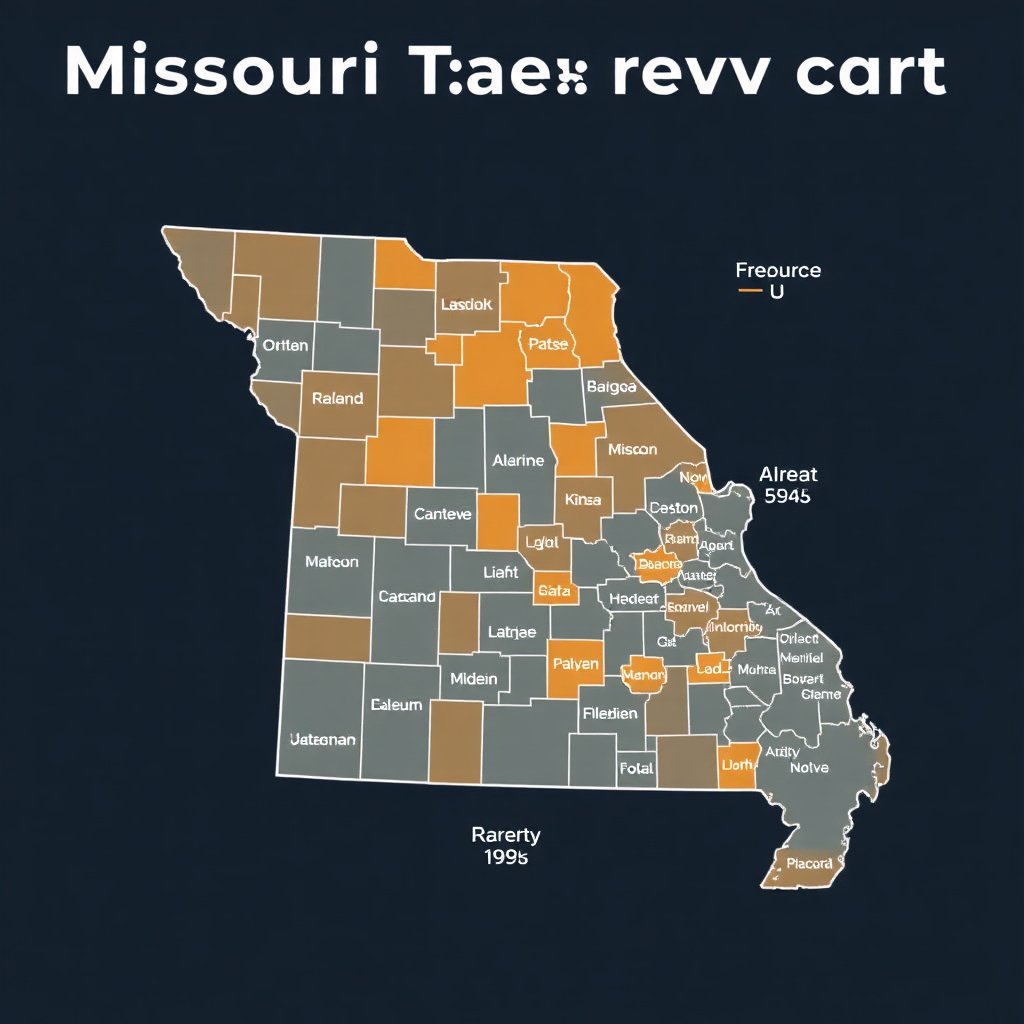
Some counties like St. Louis County and Jackson County tend to have higher property tax rates, nearing or exceeding 1.2%, reflecting denser populations and higher municipal service needs.
Conversely, rural counties such as Howell County and Texas County often have lower property tax rates, sometimes below 0.8%, reflecting less demand for services but sometimes lower property values.
Impact of School and Special District Taxes
School district levies constitute a major portion of property taxes and can vary greatly even within a single county. Some districts fund extensive programs resulting in higher levies.
Additional special districts, such as fire or library districts, apply their own levies affecting total property tax bills, so it's important to review all applicable districts when estimating taxes.
Tax Relief and Exemptions in Missouri

Homestead Exemption Benefits
Missouri offers a homestead exemption that can reduce the assessed value subject to tax by up to $25,000 for owner-occupied primary residences, significantly lowering tax burdens.
To qualify, homeowners must apply and meet residency requirements. This exemption is particularly valuable for seniors and people on fixed incomes.
For more on this, see our related guide: Understanding the Average HOA Fee: What Homeowners Need to Know.
Other Exemptions and Tax Credits
Additional exemptions exist for disabled veterans, widows, and certain agricultural properties, enabling eligible individuals to reduce property taxes further.
Missouri also provides tax credits for some types of property improvements or renovations, which can incentivize property investment.
Paying Property Taxes in Missouri

When and How to Pay
Property tax payments in Missouri are generally due twice a year, with deadlines varying by county. Most counties provide online payment portals in addition to mail and in-person options.
Failing to pay on time can result in interest and penalties. Property owners should verify deadlines and payment methods specific to their locality.
Appealing Your Property Tax Assessment
If you believe your property is over-assessed, Missouri law permits appeals to the county assessor or board of equalization. Proper documentation like recent appraisals can support appeals.
Successful appeals may reduce your tax burden but require timely filing and sometimes professional assistance.
Missouri Property Tax Compared to Neighboring States

Lower Than Average Neighboring Rates
Missouri’s average property tax rate of 0.97% is lower than Illinois (2.27%) and higher than Arkansas (0.63%), placing it near the middle among its neighbors.
This affects buyer decisions when considering relocation or investment opportunities in the region.
For more on this, see our related guide: Average Closing Cost in Missouri: What Homebuyers Should Expect.
Regional Economic and Policy Differences
Differences in state property tax rates stem from various tax policies and reliance on property tax for funding local governments and schools.
Missouri’s moderate rate reflects its balanced approach to property taxation and other revenue sources.
Factors That Affect Your Missouri Property Tax Bill

Home Market Value Fluctuations
Changes in your home’s market value affect the assessed value and thus your property tax. Rising local real estate markets often drive assessments higher after reappraisals.
Homeowners should monitor market trends as large changes may impact tax bills considerably.
For official details and specific tax rates by county, visit the Missouri Department of Revenue's real property tax webpage. Property tax information on Missouri Department of Revenue.
Changes in Local Tax Rates
Local jurisdictions may adjust tax rates annually based on budget needs. Even without valuation changes, increasing tax rates increase your bill.
Regular review of your local tax authority’s announcements helps anticipate changes.
Missouri Property Taxes by County Category Comparison
This table summarizes typical property tax rates and characteristics across different Missouri county categories.
| County Category | Average Property Tax Rate | Population Density | Typical Home Assessed Value |
|---|---|---|---|
| Urban (e.g., St. Louis County) | 1.2% | High (900+ per sq mi) | $150,000 |
| Suburban (e.g., Boone County) | 1.0% | Moderate (250-900 per sq mi) | $140,000 |
| Rural (e.g., Oregon County) | 0.75% | Low (<250 per sq mi) | $85,000 |
| Agricultural (e.g., Howell County) | 0.7% | Very Low (<100 per sq mi) | $60,000 |
Frequently Asked Questions
How often are property taxes reassessed in Missouri?
Property assessments typically occur annually or every few years depending on the county, affecting the taxable value used for calculating property taxes.
Can I appeal my property tax assessment?
Yes, Missouri property owners can appeal their assessments with their local county assessor's office or board of equalization if they believe valuations are inaccurate.
What exemptions are available to reduce Missouri property taxes?
Key exemptions include the homestead exemption for owner-occupied homes, as well as special exemptions for disabled veterans and elderly homeowners.
When are Missouri property tax payments due?
Property tax due dates vary by county but are commonly split into two payments: one in December and another in June or January, depending on local rules.
Does Missouri have a state property tax?
No, Missouri does not impose a state-level property tax; all property taxes are levied at the local level including counties, school districts, and special districts.
Key Takeaways
- Missouri’s average property tax rate is approximately 0.97% of assessed value.
- Property taxes vary significantly between urban, suburban, and rural counties.
- Exemptions like the homestead exemption can substantially lower tax bills.
- Appeals and timely payments are important parts of managing property taxes.
Conclusion
Controlling property tax expenses in Missouri requires understanding how assessed values and local tax rates combine to produce final bills. Since Missouri taxes are set at multiple local levels, reviewing county and district tax levies is essential to gauge your expected yearly cost. Keeping track of shifts in assessed property value and tax rate changes will inform better financial planning for homeowners.
Buyers looking for more affordable property tax scenarios often find rural counties like Howell and Oregon offer lower rates around 0.7-0.75%. Urban counties such as St. Louis or Jackson trend higher around or above 1.2% but come with additional services and amenities. Homeowners eligible for the homestead exemption can reduce their property’s assessed value by up to $25,000, making it a valuable benefit to pursue, especially in higher-rate areas.
If you own property in Missouri or plan to buy, the next step is checking your local county assessor’s website to verify current rates and exemptions. You may also consider professional advice if your property value seems over-assessed, as appeals can result in tax savings. Monitoring tax bills annually and staying aware of changes will help minimize surprises and keep your housing costs manageable.