How Long Does a Septic System Last? Lifespan and Maintenance Tips
A typical septic system lasts between 20 and 40 years, depending on various factors like usage, soil conditions, maintenance, and installation quality. Proper care can extend its lifespan significantly beyond the average expectancy.
Understanding how long a septic system can function is essential because it impacts your household's sanitation and can prevent costly repairs or replacements. Unlike municipal sewer lines, septic systems require homeowners' attention and upkeep to maintain their performance over time.
In this article, we will explore what influences septic system longevity, signs of wear, how to maintain a septic system efficiently, and when it’s time to invest in repairs or replacement. We’ll also compare different septic system types and provide practical tips tailored for homeowners.
What Determines Septic System Lifespan?
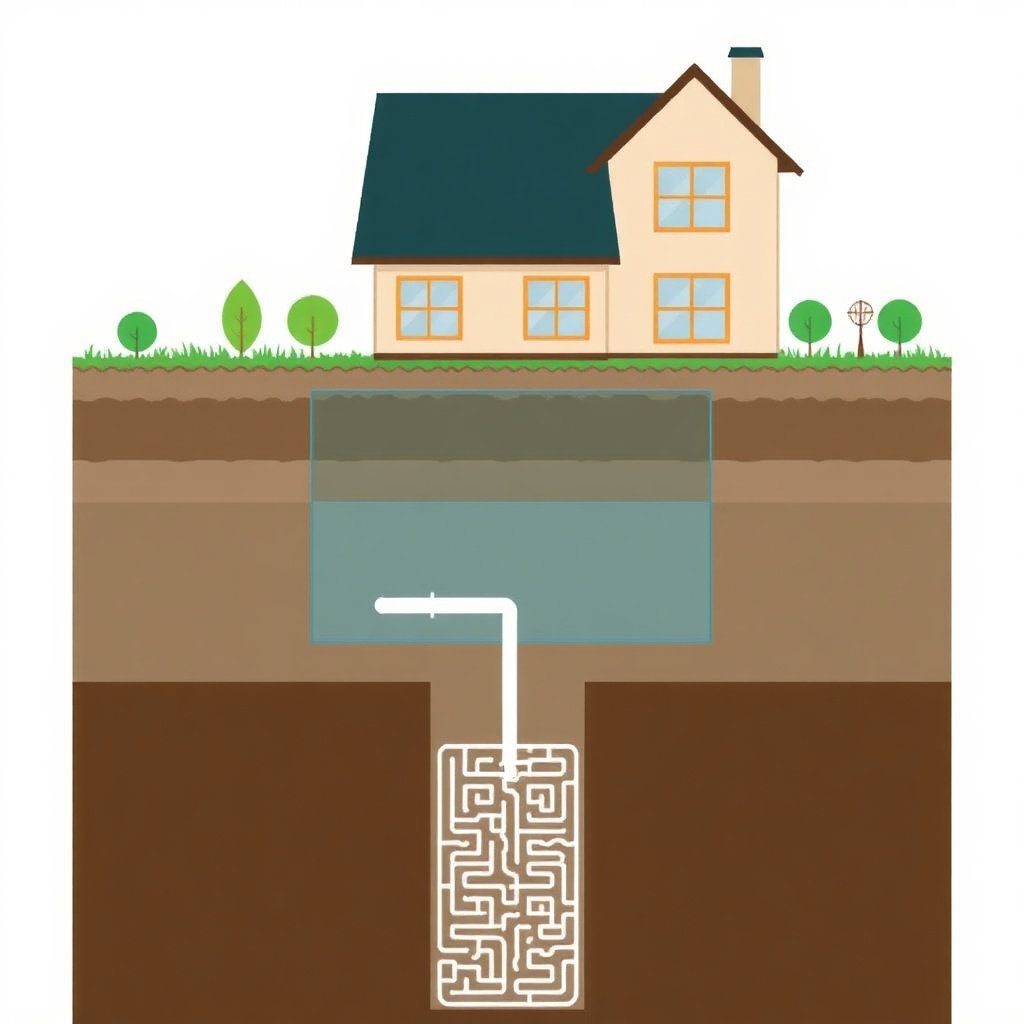
Material and Construction Quality
The materials used for septic tanks—such as concrete, fiberglass, or plastic—affect their durability. Concrete tanks often last longest because of their sturdiness, but they may crack over time if not properly maintained.
Installation plays a critical role; a well-installed system with correct slope and soil preparation can last decades. Poor installation can lead to early failure due to clogging, leaks, or improper drainage.
- Concrete tanks: durable but susceptible to cracks
- Fiberglass/plastic tanks: lighter, corrosion-resistant
- Soil condition influences drainage effectiveness
- Professional installation prevents common issues
Usage and Household Size Impact
Systems designed for larger households or heavy water use tend to experience more wear. Excessive water flow can overload the drain field and reduce its efficiency.
The number of residents, water consumption habits, and disposal of solids or chemicals affect how quickly a septic system deteriorates.
- High water usage stresses the system
- Flushing non-biodegradable items causes damage
- Proper waste disposal extends system life
Signs Your Septic System Needs Attention
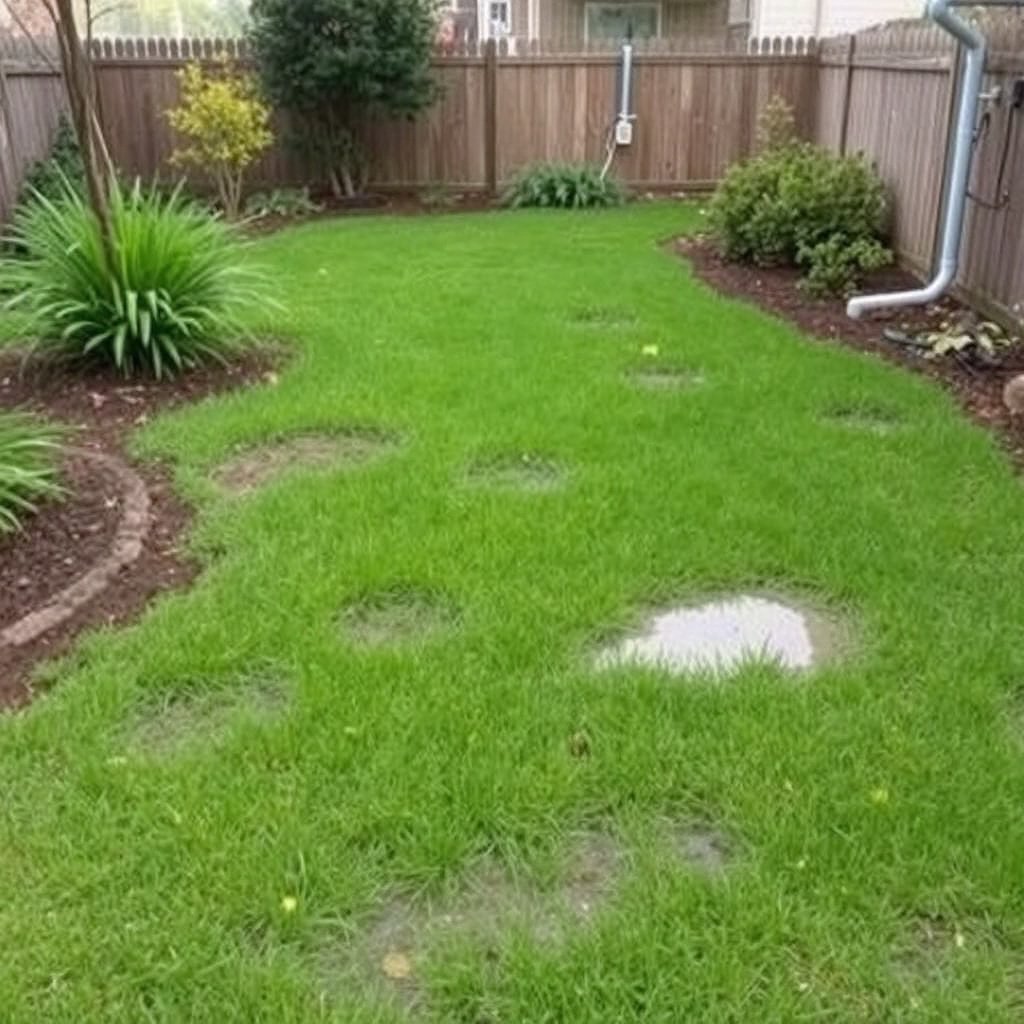
Common Warning Signs of Septic Issues
Slow drains, foul odors near the tank, or wet spots in the yard often indicate failing components in the septic system. Early detection helps avoid costly repairs.
Sewage backups inside the house or unusually lush patches of grass over the drain field are also red flags for septic trouble.
- Slow sinks or toilets
- Unpleasant smells outdoors
- Pooling water above the drain field
- Sewage appearance in home plumbing
When to Schedule Professional Inspections
Regularly scheduling inspections every 3-5 years can uncover problems before system failure. A professional can evaluate the tank’s integrity and the drain field’s function.
If you notice warning signs or your system approaches 20 years, having experts assess your septic system can prevent emergencies.
- Inspect every 3-5 years
- Increase frequency after 15 years or with heavy use
- Promptly address any suspicious symptoms
Septic System Maintenance Tips to Maximize Lifespan
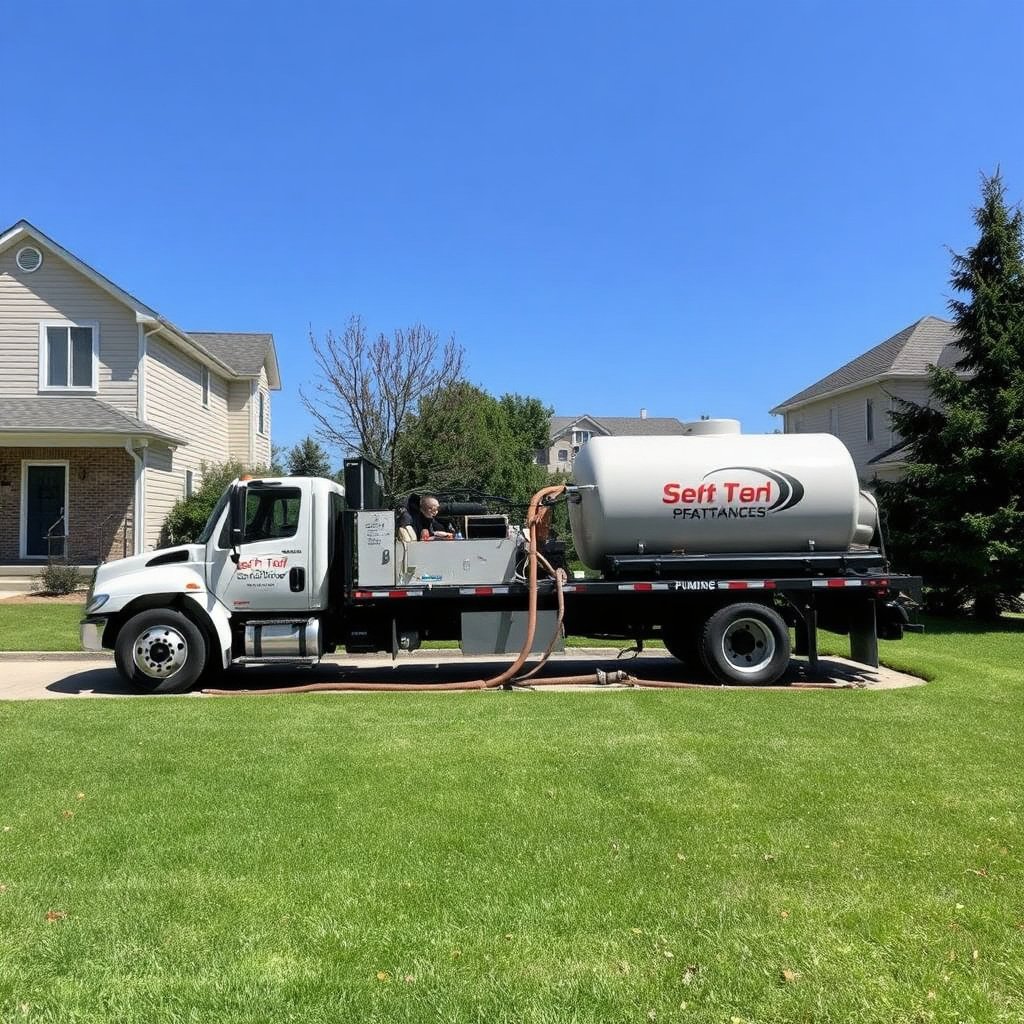
Routine Tank Pumping Benefits
Pumping out the septic tank every 3-5 years removes accumulated solids that would otherwise clog the system. This process is fundamental to extending the septic system’s longevity.
Avoiding costly backups and replacements depends on homeowners scheduling timely pumping based on tank size and household use.
- Pump every 3-5 years
- Adjust frequency based on household size
- Use professional services for complete tank cleaning
For more on this, see our related guide: How Much Does It Cost to Install a Septic System? Complete Pricing Guide.
Daily Practices to Protect Your Septic System
Limit water consumption and avoid flushing harmful chemicals or non-biodegradable objects. Using water-efficient appliances reduces stress on septic components.
Keep heavy vehicles away from the drain field to prevent soil compaction, which can reduce the system’s filtering ability.
- Avoid grease and harsh chemicals entering system
- Conserve water usage with efficient fixtures
- Prevent driveway or parking over drain fields
How Different Septic Systems Affect Longevity
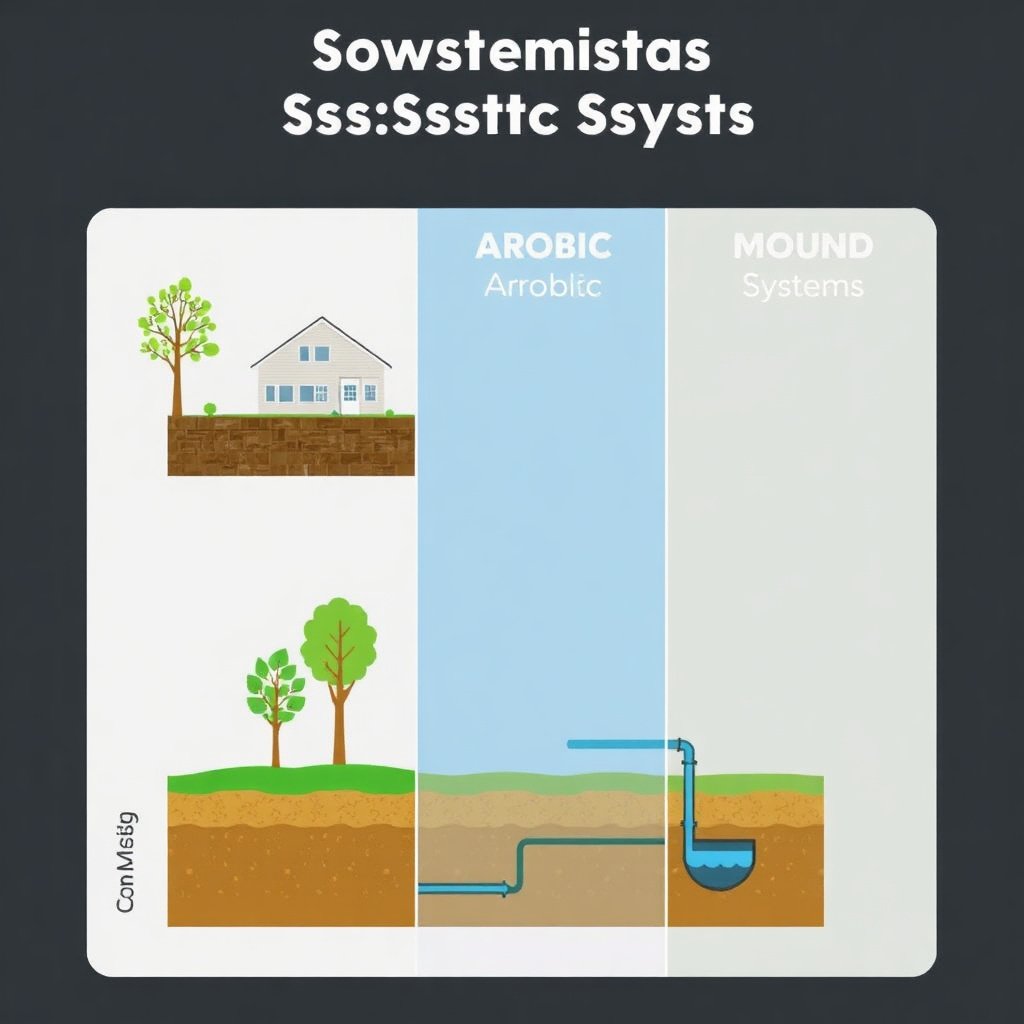
Conventional Septic Systems
Conventional systems use a septic tank and a drain field located underground. They are typically cost-effective and last 20-40 years when maintained properly.
Their lifespan depends heavily on soil absorption rates and routine maintenance practices such as pumping and avoiding system overload.
- Durability of 20-40 years
- Sensitive to soil type and moisture
- Require regular tank pumping
Alternative Systems and Their Longevity
Aerobic treatment units, mound systems, and other alternatives are designed for challenging soil conditions and often cost more upfront but can last comparably long with proper care.
These systems generally need more frequent monitoring but provide solutions where conventional systems are unsuitable.
- Mound systems suitable for shallow soil
- Aerobic units require electrical components
- Lifespan around 20-30 years if maintained
Cost and Timing for Septic System Replacement

When to Consider Replacement
If your septic system is over 40 years old, frequently malfunctions, or displays significant structural problems, replacement might be the best option. Delaying can lead to property damage and health hazards.
Signs for replacement include frequent backups, collapsed tanks, or completely saturated drain fields with no improvement after pumping.
- Age over 40 years
- Recurring system failures
- Structural damage to tank or field
Budgeting for Replacement Costs
Septic system replacement costs vary widely, typically ranging from $5,000 to $20,000 depending on system type and site conditions. Planning ahead can help homeowners manage these expenses.
Insurance usually does not cover replacement, so setting aside a maintenance fund is advisable.
- Basic system replacement: $5,000-$10,000
- Advanced systems or difficult terrain increase cost
- Consider financing or grants for upgrades
Environmental Impact and Septic System Longevity

How Septic System Failure Affects the Environment
A failing system can leak untreated wastewater into groundwater, contaminating local water supplies. Preventing leaks extends both system life and local ecosystem health.
Proper system performance is essential to protect nearby wells, lakes, and streams from bacteria, nutrients, and pollutants commonly found in sewage.
- Leaks cause water contamination
- Nutrient overload harms aquatic life
- Prompt repairs protect ecosystems
For additional detailed guidance, visit the EPA's official septic system information page. Septic system information from EPA.
Protecting Your Septic System for Eco-Friendly Living
Adopting septic system maintenance tips not only prolongs lifespan but also minimizes environmental footprint. Avoiding chemical cleaners and reducing water waste supports system health.
Planting grass over drain fields instead of deep-rooted trees prevents root intrusion, which can damage pipes and tank components.
- Use eco-friendly cleaning products
- Maintain healthy vegetation cover around drain field
- Monitor for leaks and signs of failure regularly
Septic System Types Lifespan and Maintenance Comparison
This table compares common septic system types, their typical lifespan, maintenance frequency, and best-use scenarios to help homeowners make informed choices.
| System Type | Typical Lifespan | Maintenance Frequency | Best For |
|---|---|---|---|
| Conventional Septic System | 20-40 years | Pump every 3-5 years | Well-drained soils, moderate budgets |
| Aerobic Treatment Unit | 20-30 years | More frequent inspections | Poor soil conditions, smaller lots |
| Mound System | 20-30 years | Regular monitoring | Shallow or sandy soils |
| Plastic/Fiberglass Tank System | 30-40 years | Pump every 3-5 years | Lightweight installation, corrosion resistance |
| Concrete Tank System | 40+ years | Pump every 3-5 years | Durability, long-term investment |
Frequently Asked Questions
How often should I have my septic tank pumped?
Septic tanks generally need pumping every 3 to 5 years, depending on tank size and household water use. Regular pumping prevents solids buildup that can cause system failure.
Can I install a septic system myself?
Installing a septic system requires professional expertise due to soil testing, design, and permitting requirements. DIY installation is not advisable and often illegal.
What household habits damage a septic system?
Flushing chemicals, grease, non-biodegradable items, and using excessive water can overload or damage a septic system. Avoid these to maintain system health.
How do I know if my septic tank is full?
Signs include slow drains, bad odors, and wet spots above the drain field. A professional inspection can confirm if the tank needs emptying.
Does a septic system affect property resale value?
A well-maintained septic system can support property value, but a failing or outdated system can deter buyers or require costly repairs before sale.
Key Takeaways
- Most septic systems last 20-40 years with proper care.
- Regular pumping and maintenance prevent premature failure.
- Usage habits and soil conditions significantly affect lifespan.
- Different septic systems suit different environmental conditions.
Conclusion
Evaluating how long a septic system lasts involves considering materials, installation quality, household use, and local soil characteristics. Thoughtful maintenance practices such as regular tank pumping and limiting harmful waste disposal directly prolong system function. Recognizing early warning signs and scheduling inspections also play vital roles in extending lifespan and avoiding costly system failures that could impact both property and health.
Homeowners with conventional septic systems in well-drained soils can expect durable performance lasting up to 40 years, especially with attentive upkeep. Those living on challenging terrain or sandy soils may find alternative options like aerobic treatment or mound systems more appropriate, though these require additional monitoring. Small households or those with lower water usage often see longer gaps between maintenance intervals, while larger families should plan for more frequent attention.
Ultimately, proactive septic system maintenance combined with understanding system limitations ensures efficient wastewater treatment and environmental safety. Homeowners should establish a schedule for pumping and inspections according to household demands. For those unsure about their system’s condition or lifespan, consulting a septic professional provides clarity and peace of mind to protect your home’s sanitation infrastructure.